What Makes a Stanley Knife Blade Good for Cutting?
Author : jack leo | Published On : 07 Aug 2026
Introduction
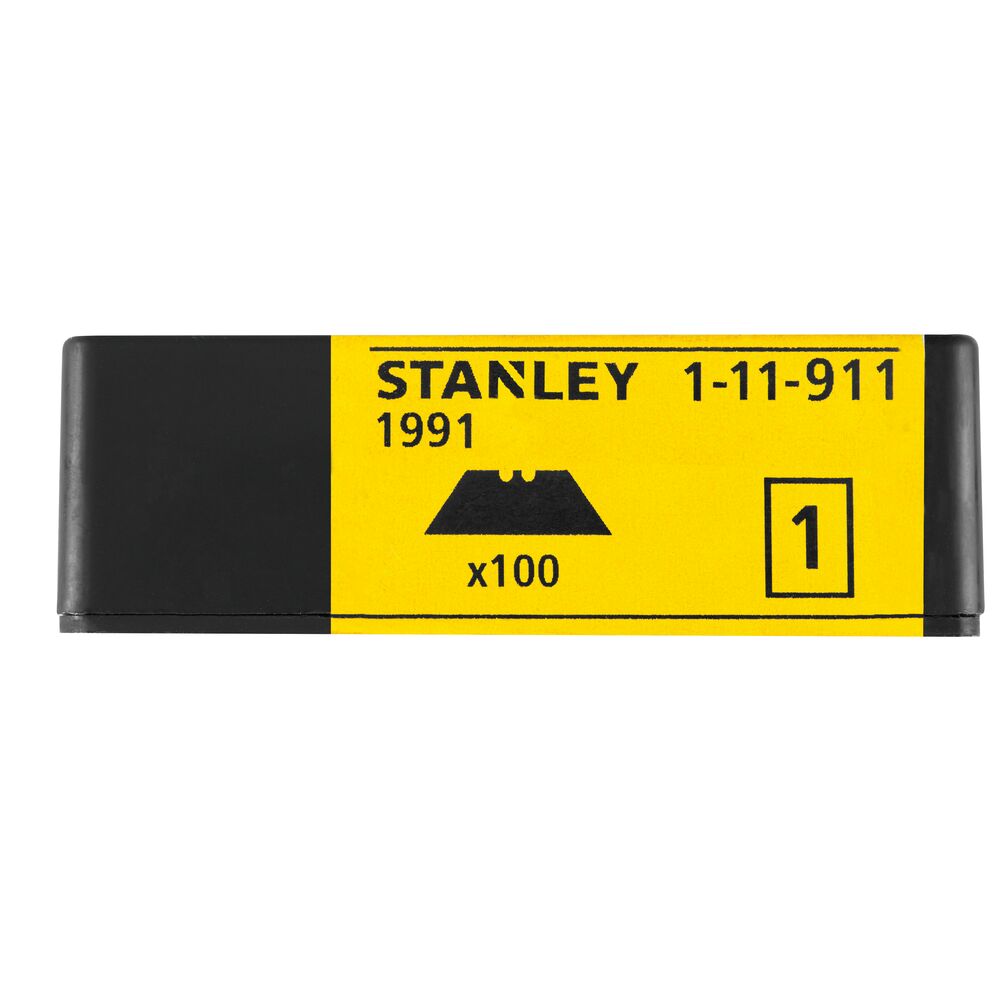
A Stanley Knife Blade is a replaceable cutting component designed for professional, trade, warehouse, construction, maintenance, and everyday cutting tasks. When matched with a compatible utility knife, the correct blade can provide controlled cutting with less effort and help users achieve cleaner results across suitable materials.
Stanley manufactures several blade styles rather than one universal option. Its current range includes standard utility blades, hook blades, carbide utility blades, rounded-tip safety blades, and segmented snap-off blades. Choosing between them depends on the material, cutting method, blade holder, and frequency of use.
What Is a Stanley Knife Blade Designed to Cut?
Stanley utility blades are commonly used for cutting materials such as cardboard, carpet, vinyl, packaging, plastic sheeting, and selected construction materials. The exact capability varies according to blade shape and specification.
For example, Stanley identifies its 1992 Utility Blade as a regular-duty general-purpose blade suitable for carpet, vinyl, and many sheet materials. It has a hardened, tempered, precision-honed cutting edge designed for accurate cutting.
A utility blade should not be forced through materials it was not designed to cut. EnrgTech's wider Tools range provides specialised cutting, workshop, hand, and power tools when another cutting method is more appropriate.
Which Stanley Knife Blade Is Best for Different Jobs?
The best Stanley Knife Blade depends on how the cut must be made. Standard trapezoidal blades work well for many routine jobs, while hook blades are suited to selected sheet, flooring, and roofing applications.
Snap-off blades offer multiple cutting sections. When the exposed section becomes dull, an approved segment can be removed to reveal a fresh edge. Stanley currently offers FATMAX 18 mm and 25 mm snap-off blades for demanding general-purpose work.
Carbide and induction-hardened options may be preferred where longer cutting life is important. Users should check the exact blade specification instead of choosing only by appearance.
How Do You Choose the Correct Stanley Knife Blade Size?
Start by identifying the knife model. Blade length, width, thickness, mounting slots, and overall profile must fit the holder and locking mechanism correctly.
Important factors include:
- Blade type and dimensions
- Compatible knife model
- Straight, hooked, or segmented edge
- Material being cut
- Required cutting depth
- Frequency of blade replacement
- Heavy-duty or regular-duty use
- Storage and disposal requirements
Stanley's standard 1992 blade is 62 mm long and approximately 0.63 mm thick, but other blade families have different dimensions. Therefore, those measurements should not be assumed for every Stanley replacement blade.
Why Is a Sharp Utility Blade Easier to Control?
A sharp blade generally requires less pressure to enter suitable material. This allows the user to concentrate on guiding the knife rather than forcing it through the workpiece.
A worn edge may pull, tear, or require several passes. Excessive force can also reduce control. For this reason, professional users should consider blade replacement part of normal cutting-tool maintenance.
Where a manufacturing task produces burrs rather than simply requiring a clean cut, Deburring Tools provide a purpose-designed method for removing unwanted sharp edges from metal, plastic, and other machined materials.
How Long Does a Stanley Knife Blade Last?
There is no fixed service life for every Stanley Knife Blade. Blade life changes according to the material, edge design, cutting pressure, number of cuts, contact with hard surfaces, and storage conditions.
A blade may need replacement when:
- It starts tearing material
- More pressure is needed
- The cutting tip becomes damaged
- The edge develops chips
- Multiple passes become necessary
- Corrosion appears
- Cutting accuracy decreases
Stanley also offers blade technologies intended for longer cutting performance. Its FATMAX snap-off range, for example, is designed to provide fresh cutting edges by removing worn segments.
Can a Stanley Knife Blade Be Used for Electrical Cables?
A general-purpose Stanley utility blade should not automatically be considered the correct tool for electrical cable preparation. Cable stripping can require controlled cutting depth, insulation protection, and electrical safety features.
Professionals working with cable jackets should consider dedicated Cable Knives. These products are specifically designed for cutting and stripping cable sheaths, and selected versions provide insulated construction for electrical work.
Selecting a tool designed for the material can reduce the risk of damaging internal conductors.
When Should You Use Cutters Instead of a Knife Blade?
A Stanley Knife Blade excels at slicing, trimming, and scoring suitable flexible or relatively thin materials. It is not intended to replace cutters designed for wire, cable, metal, pipe, or other resistant materials.
Suitable Cutters are available for tasks involving wires, cables, plastics, metals, and other materials where jaw-based cutting provides better leverage.
Using the correct tool also protects the utility blade from chipping or premature wear.
How Do You Change a Stanley Knife Blade Safely?
Blade-changing procedures vary between knife designs. Some utility knives have screws or removable body sections, while others use quick-change mechanisms.
Place the tool on a stable surface and follow the instructions for the exact Stanley knife. Avoid handling the sharpened edge directly. Once the replacement is installed, check that the blade sits correctly and that the retention mechanism locks securely.
Used blades should be placed in a suitable blade or sharps container rather than left loose in a tool bag, drawer, or general waste.
How Should Stanley Knife Blades Be Stored in a Workshop?
Keep unused blades inside their original dispenser, protective container, or another dedicated holder. Dry, organised storage protects cutting edges while reducing accidental contact.
For larger professional workshops, Tool Chests & Tool Cabinets provide organised storage for hand tools and accessories. Sharp components should still remain inside appropriate blade containers rather than lying loose inside drawers.
Workshops can also use Tool Racks, Hooks & Holders to organise frequently used hand tools and maintain a cleaner working area.
What Should Tradespeople Look for When Buying Replacement Blades?
Professional users should think beyond the initial blade price. Cutting life, compatibility, edge type, material, replacement frequency, and pack quantity can influence overall value.
For teams that use several cutting tools across maintenance or installation work, organised Tool Kits & Tool Storage solutions can help keep compatible blades, knives, and supporting equipment separated and accessible.
Buying the correct blade in the right quantity can also reduce interruptions when an edge becomes worn during a job.
Are Stanley Knife Blades Good for Professional Use?
Stanley produces replacement blades for a broad range of general-purpose and specialist cutting applications. The 1992 utility blade remains one of its recognised regular-duty options, while hook, safety, carbide, and snap-off designs cover different cutting requirements.
Professional performance ultimately depends on choosing the right blade for the material and using it with a compatible knife. A high-quality blade cannot compensate for an incorrect holder, unsuitable cutting technique, or excessive force.
Why Choose the Right Stanley Knife Blade?
The right Stanley Knife Blade can support accurate cutting, efficient material preparation, and dependable everyday performance across construction, warehouse, maintenance, packaging, and workshop applications.
Choose the blade according to its profile, dimensions, knife compatibility, material, and expected workload. Replace damaged or dull edges promptly, store spare blades securely, and switch to a specialised cutting tool whenever the material falls outside the blade's intended application.
