What Makes a Safety Shoe OSHA or CSA Compliant?
Author : Mister Safety Shoes Inc. | Published On : 28 Oct 2026
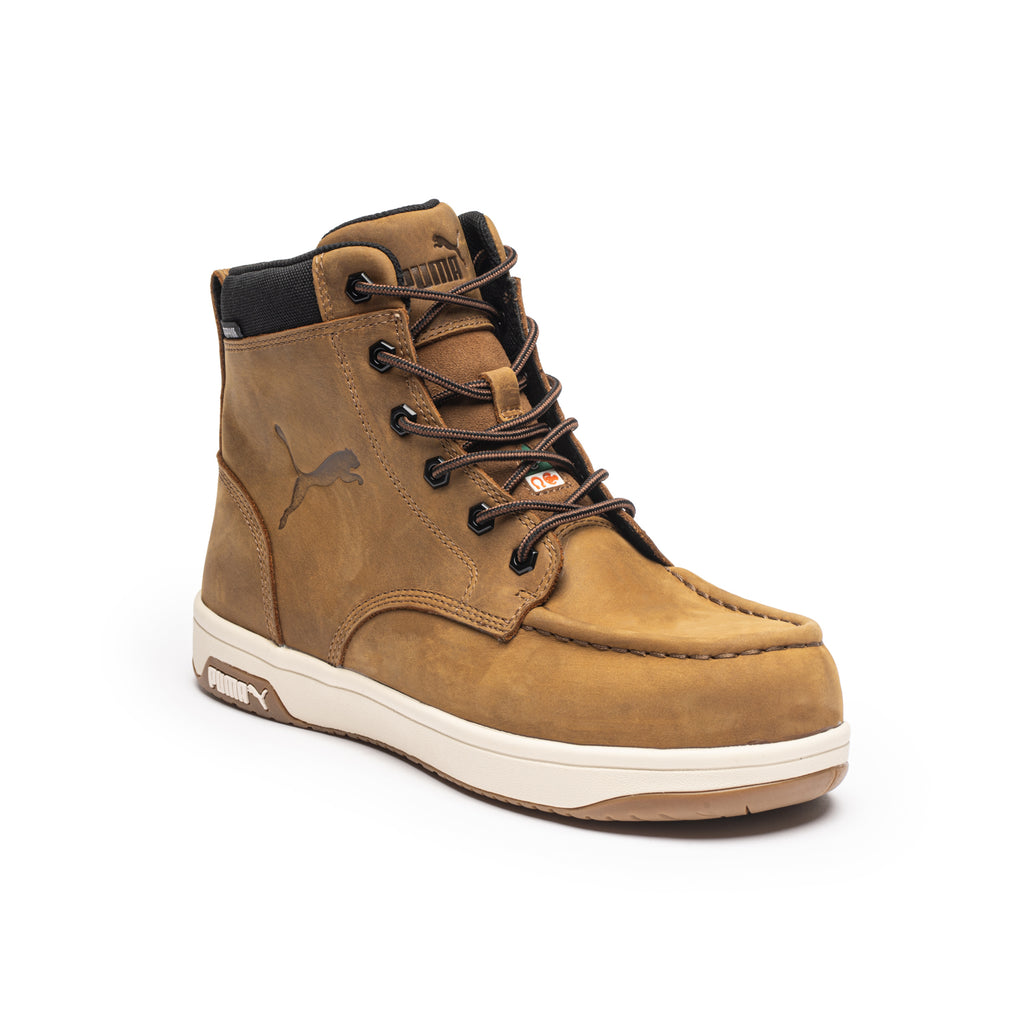
Buying safety footwear isn't as simple as choosing a shoe with a steel toe or a tough-looking outsole. Depending on where you work, your employer may require footwear that meets specific safety standards.
In the United States, OSHA requirements guide employers on protecting workers from foot injuries. In Canada, CSA standards are commonly used to establish requirements for protective footwear.
So, what actually makes a safety shoe OSHA or CSA compliant?
The answer depends on the hazards in your workplace, the applicable regulations or standards, and the specific protective features of the footwear. A safety shoe isn't compliant simply because it has a protective toe or is marketed as a "work shoe."
Let's break down what workers should know before choosing their next pair.
What Does OSHA Have to Do With Safety Shoes?
OSHA, the Occupational Safety and Health Administration, sets and enforces workplace safety requirements in the United States.
For foot protection, OSHA requires employers to ensure that workers use appropriate protective footwear when hazards could cause foot injuries. This can include risks from falling or rolling objects, sharp objects that could penetrate the sole, electrical hazards, and other workplace conditions.
OSHA's requirements focus on the protection needed for the job rather than simply requiring one particular type of shoe.
That means an employer needs to assess the workplace hazards and determine what type of foot protection is appropriate.
Does OSHA Certify Safety Shoes?
This is an important distinction.
OSHA generally does not "certify" individual safety shoes. Instead, OSHA establishes workplace safety requirements and references recognized consensus standards for protective footwear.
Employers may use footwear that complies with applicable requirements and recognized standards, such as relevant ASTM standards.
So, when someone says a pair of safety shoes is "OSHA compliant," it usually means the footwear is appropriate for the hazards identified by the employer and meets the applicable requirements or standards.
Always check the specific footwear markings and documentation rather than relying only on the phrase "OSHA approved."
What Is CSA Certification?
CSA refers to the Canadian Standards Association, now known as CSA Group.
In Canada, CSA standards provide technical requirements for many products, including protective footwear.
Safety footwear commonly used in Canadian workplaces may be tested and marked according to the applicable CSA standard. These markings help workers and employers identify the types of protection the footwear provides.
One commonly referenced standard for protective footwear is CSA Z195, which covers protective footwear.
However, the exact requirements depend on the footwear type and the hazards present in the workplace.
What Does CSA-Compliant Safety Footwear Mean?
CSA-compliant footwear is designed and tested to meet the requirements of the applicable Canadian standard.
The footwear may provide protection against specific hazards such as:
-
Impact
-
Compression
-
Punctures
-
Electrical hazards
-
Slip-related risks
-
Other workplace hazards covered by the applicable standard
Not every CSA-certified shoe provides every type of protection.
That's why checking the markings is important.
A pair may have a protective toe but not provide the additional protection required for a particular job.
OSHA vs. CSA: What's the Difference?
OSHA and CSA serve different roles.
OSHA is a U.S. government agency responsible for workplace safety and health requirements.
CSA Group develops standards that establish technical requirements for products, including protective footwear.
In simple terms, OSHA sets workplace requirements in the United States, while CSA standards are widely used in Canada to establish requirements for protective footwear.
For workers, the most important thing is to understand which rules and standards apply to their workplace.
What Safety Features Should You Look For?
The right safety features depend on your job.
Protective Toe Caps
Protective toe caps help protect the toes from hazards such as falling or rolling objects.
Common types include:
-
Steel toe
-
Composite toe
-
Aluminum or alloy toe
The material alone doesn't determine whether footwear meets a particular safety requirement. The footwear needs to meet the applicable performance standard.
Puncture Resistance
Workers may encounter nails, screws, metal fragments, or other sharp objects on the job.
Puncture-resistant footwear can include a protective plate between the foot and the ground.
This feature can be particularly important in construction, demolition, manufacturing, and similar environments.
Electrical Hazard Protection
Some workplaces have electrical risks that require specific footwear.
Electrical hazard protection is designed for certain conditions and should not be confused with general insulation or simply having a non-metallic toe.
If electrical hazards are present, check the footwear's specific electrical protection rating and your workplace requirements.
Slip Resistance
Slips and falls can happen on wet, oily, greasy, or smooth surfaces.
A slip-resistant outsole can help provide better traction, but performance depends on the surface and conditions.
Workers should choose footwear appropriate for the flooring and substances found in their workplace.
Waterproof Protection
Waterproof footwear can be useful for workers exposed to rain, standing water, mud, or wet working conditions.
However, waterproofing is different from safety certification. A waterproof boot isn't automatically compliant with a workplace safety standard.
Think of waterproofing as one feature among many rather than proof that a shoe meets all safety requirements.
What Do Safety Shoe Markings Mean?
Safety footwear may include markings that identify the protective features or standard it meets.
These markings can appear on the footwear, label, packaging, or product documentation.
For CSA footwear, workers may see CSA-related markings and symbols indicating specific protective features.
Rather than trying to judge safety footwear by appearance, check the manufacturer's specifications and certification information.
If you're unsure what a marking means, ask your employer, safety manager, or the footwear manufacturer.
Are Steel Toe Shoes Automatically CSA Compliant?
No.
A steel toe is a type of protective toe construction. It doesn't automatically mean the entire shoe meets CSA requirements.
The footwear needs to meet the applicable performance requirements and carry the appropriate markings or documentation.
The same principle applies to composite-toe and alloy-toe footwear.
The material of the toe cap is only one part of the overall safety performance.
Are Composite Toe Shoes OSHA Compliant?
Composite-toe footwear can meet applicable U.S. safety standards when it has been properly tested and meets the required performance criteria.
Composite toes are often made from materials such as fiberglass, carbon fiber, or reinforced plastics. They don't contain metal and can be useful in workplaces where metal-free footwear is preferred.
But again, the word "composite" doesn't automatically mean compliant.
Look at the footwear's actual safety standard, testing information, and required markings.
Can the Same Safety Shoes Be Used in Canada and the United States?
Not automatically.
A pair of safety shoes may meet a recognized U.S. standard but not necessarily satisfy a Canadian workplace's requirements.
Likewise, footwear intended for the Canadian market may not automatically meet every U.S. workplace requirement.
If you're working near the Canada-U.S. border or moving between workplaces in both countries, check the specific requirements before assuming your footwear is acceptable.
Your employer's safety policy should be the starting point.
How to Check if Your Safety Shoes Meet the Requirements
Before buying or wearing safety footwear, follow these steps.
1. Identify the Hazards
Think about what your feet could be exposed to at work.
Are there falling objects? Sharp materials? Wet floors? Electrical hazards? Extreme temperatures?
The answer will determine which protective features you need.
2. Check Your Workplace Requirements
Your employer may have specific requirements for protective footwear.
Don't rely only on what you see online or what a salesperson recommends.
3. Check the Footwear Markings
Look at the shoe, tongue, label, packaging, and manufacturer information for applicable safety markings and standards.
4. Review the Product Specifications
Confirm what the footwear is actually designed to protect against.
A shoe that protects against impact may not provide puncture or electrical protection.
5. Make Sure the Footwear Fits Properly
Compliance doesn't make an uncomfortable shoe a good choice.
Your footwear should still fit properly, provide enough toe room, and allow you to work comfortably throughout your shift.
Common Mistakes to Avoid
Assuming Steel Toe Means Fully Compliant
A steel toe doesn't automatically mean the entire shoe meets every required safety standard.
Looking Only at the Product Name
Words such as "work," "industrial," or "safety" don't tell you everything about a shoe's certification or protective features.
Ignoring Workplace Requirements
A shoe can be suitable for one workplace but unsuitable for another.
Buying Based Only on Price
The cheapest option isn't necessarily the right option, and the most expensive shoe isn't automatically the safest.
Focus on the required protection, certification, fit, and construction.
Assuming All Safety Features Come Standard
Features such as waterproofing, puncture resistance, electrical protection, and slip resistance aren't automatically included in every safety shoe.
Check the specifications.
OSHA and CSA Safety Shoe Checklist
|
What to Check |
Why It Matters |
|
Workplace hazards |
Helps determine the protection you need |
|
Protective toe |
Helps protect against impact and compression hazards |
|
Puncture resistance |
Helps protect against sharp objects |
|
Electrical protection |
Important where electrical hazards exist |
|
Slip resistance |
Helps improve traction on suitable surfaces |
|
CSA markings |
Helps identify applicable Canadian protective footwear requirements |
|
U.S. safety standards |
Helps determine whether footwear meets applicable U.S. requirements |
|
Manufacturer specifications |
Confirms the actual features of the footwear |
|
Proper fit |
Helps maintain comfort and stable movement |
|
Employer requirements |
Confirms the footwear is acceptable for your workplace |
Final Thoughts
A safety shoe isn't compliant simply because it has a steel toe, looks rugged, or is labelled as "industrial footwear."
The right footwear needs to match the hazards of your workplace and meet the applicable safety requirements.
In the United States, OSHA establishes workplace requirements for foot protection and references recognized standards. In Canada, CSA standards provide important requirements for protective footwear.
Before buying a pair, identify the hazards you face, check your employer's requirements, review the footwear markings and specifications, and make sure the shoes fit properly.
When it comes to workplace footwear, protection should come first, but comfort and fit matter too. The right pair should give you the protection your job requires while allowing you to work confidently throughout your shift.
