What Makes a Running Track Safe? A Simple Guide
Author : Michael Carter | Published On : 22 May 2026
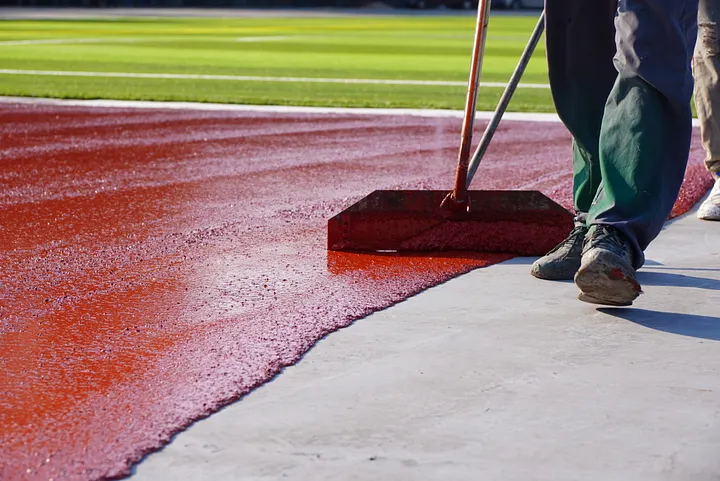
Running tracks are everywhere — in schools, stadiums, and sports centers. They are great for athletes because they absorb shock and protect joints. But as more tracks are built around the world, safety has become a big concern.
So what makes a running track safe? It comes down to three things: good materials, proper manufacturing, and careful construction. The most important step is choosing a reliable manufacturer.
What Happens With Bad Materials?
Good running track materials are safe when they meet international standards. But poor-quality materials can cause problems.
1. Chemical Fumes
Some cheap materials contain harmful chemicals called VOCs. These chemicals can release into the air, especially in hot weather. Good manufacturers use eco-friendly formulas that avoid these risks.
2. Heavy Metals in Rubber
Low-cost rubber granules may contain heavy metals from poor-quality pigments or recycled fillers. Trusted manufacturers test their materials carefully. They follow safety standards like REACH, RoHS, and EN certifications. This is especially important for school projects.
3. Incomplete Curing
If a track is not cured properly, it may give off a strong smell for a while. Professional manufacturers control the process from start to finish. They make sure the track is fully cured before anyone uses it.
Short-Term vs. Long-Term Effects
Bad materials may cause temporary issues like odor right after installation. But properly made tracks usually finish curing before they are handed over.
Over time, certified tracks are built to last. They hold up well in all weather and stay safe for daily use.
This matters even more in sensitive places like schools, kindergartens, and public stadiums.
How to Pick the Right Materials
When looking for a running track supplier, keep these points in mind:
Check for certifications. Ask for material test reports, environmental certifications, and project references.
Check construction standards. A good manufacturer provides installation guidance, technical data, and quality inspection reports.
Check curing and testing. Make sure the track gets enough curing time, proper ventilation, and third-party testing before handover.
Price Is Not Everything
It is tempting to go with the cheapest option. But smart buyers look beyond price. They care about material stability, environmental safety, supplier experience, and technical support.
Choosing a professional running track manufacturer saves money in the long run. It reduces maintenance problems and keeps athletes safe for years to come.
