What Makes a Rectangular Table Suitable for Large Dining Rooms?
Author : HitokaCece HitokaCece | Published On : 21 Oct 2026
Large dining rooms need a table that can seat many people, support serving dishes, and anchor the room. A rectangular table is often the best choice because it uses the length of the room efficiently and allows people to sit facing each other. It works well for family gatherings, formal dinners, and restaurant service. But a rectangular table that is too narrow feels cramped. A table that is too wide makes conversation difficult. A table with a poor base may wobble or block legroom. Choosing the right rectangular table requires attention to proportion, seating, base, and material.
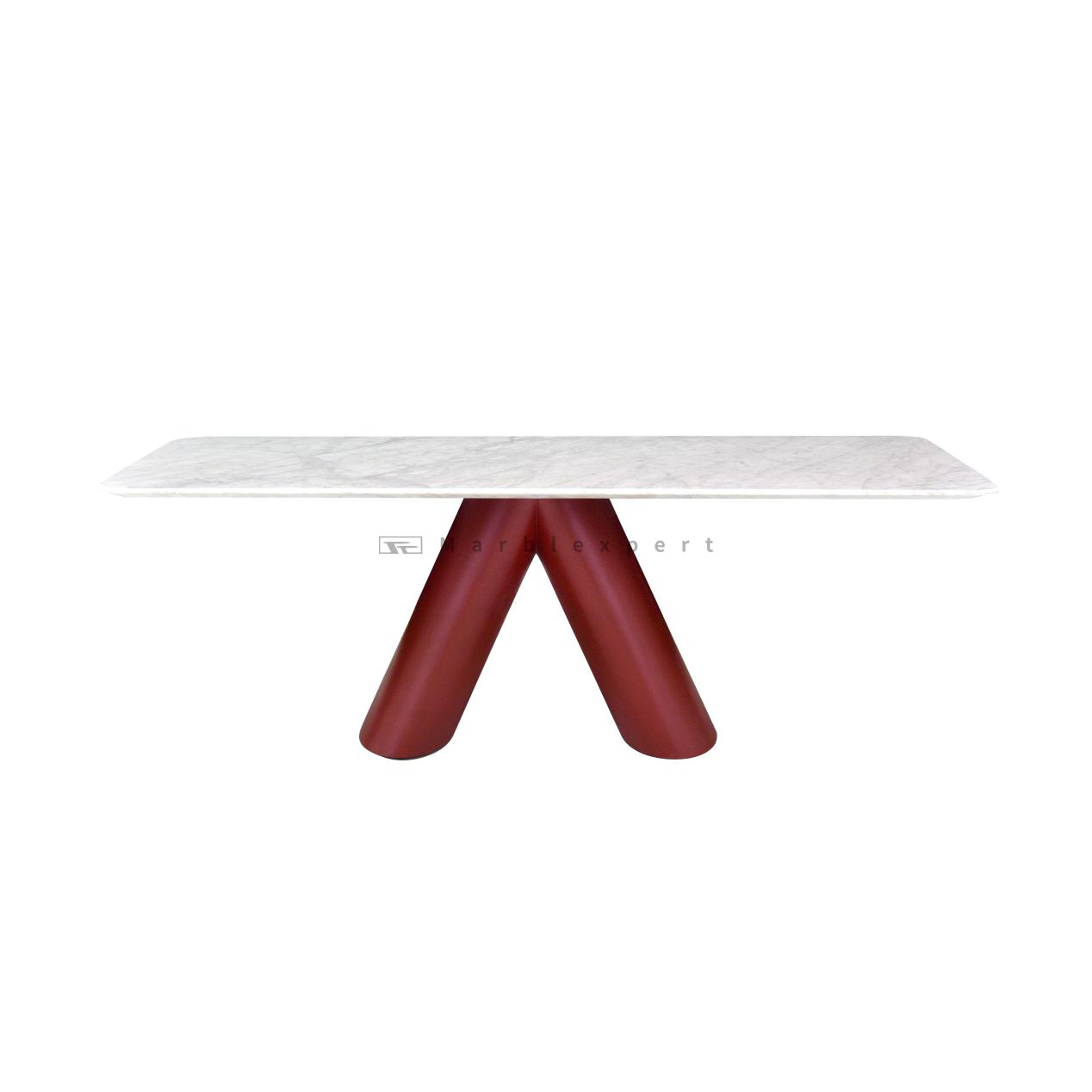
Rectangular Table Length and Width Ratio
The first decision is the length and width ratio. A rectangular table should be long enough to seat the required number of people and wide enough to hold plates, glasses, and serving dishes. A common width is ninety to one hundred ten centimeters. A narrower table may feel cramped when serving dishes are placed in the center. A wider table may make it difficult for people to reach across or hear each other.
Length depends on seating capacity. A common guideline is sixty centimeters of table edge per person. A table that seats eight people on the long sides and two on the ends may need a length of two hundred forty centimeters or more. A table for twelve may need three hundred centimeters. Buyers should calculate the length based on the number of seats and the chair width.
The ratio of length to width affects the look. A very long, narrow table looks elegant but may feel cramped. A shorter, wider table feels more communal but may take more floor space. Buyers should match the ratio to the room proportions and the intended use.
Large Dining Table Seating and Base Design
The second decision is seating and base design. A rectangular table can have legs at the corners, a trestle base, or twin pedestals. Corner legs provide stability but can block legroom at the ends. A trestle base provides strong support and allows chairs to be placed along the sides without obstruction. Twin pedestals provide stability and legroom but may interfere with chairs at the center.
The base should be designed for the table length. A long table with only two supports may sag in the middle. A third support or a steel reinforcement may be needed. Buyers should ask for the structural design and the load rating. A table that sags will crack or feel unstable.
Seating layout should be planned. Chairs should be spaced evenly. Place settings should align with the chair positions. Buyers should consider whether the table will be used for formal dining, buffet service, or meetings. The layout should support the use.
Rectangular Dining Table Material and Room Planning
The third decision is material and room planning. A rectangular table can be made from wood, marble, glass, or metal. Wood is warm and traditional. Marble is elegant and durable but heavy. Glass reflects light and makes the room feel larger. Metal is strong and modern. The material should match the room style and the maintenance routine.
Room planning includes clearance and lighting. A large table needs enough clearance for chairs and serving. A minimum of ninety centimeters around the table is recommended. Lighting should be centered over the table and should be dimmable for different occasions. Buyers should consider the ceiling height and the pendant size.
Delivery and installation should be planned. A large rectangular table may be difficult to move through doors and stairwells. Buyers should confirm the table dimensions and the delivery route. A table that cannot be delivered is not a successful purchase.
Conclusion
A rectangular table is suitable for large dining rooms when the length, width, seating, base, material, and room planning are matched to the space and the users. The right table supports gathering and looks balanced in the room. Buyers should measure the room, plan the seating, and confirm delivery before ordering.
