What Makes a Data Center Reliable for Modern Businesses?
Author : NetForChoice Storage solution UAE | Published On : 23 Sep 2026
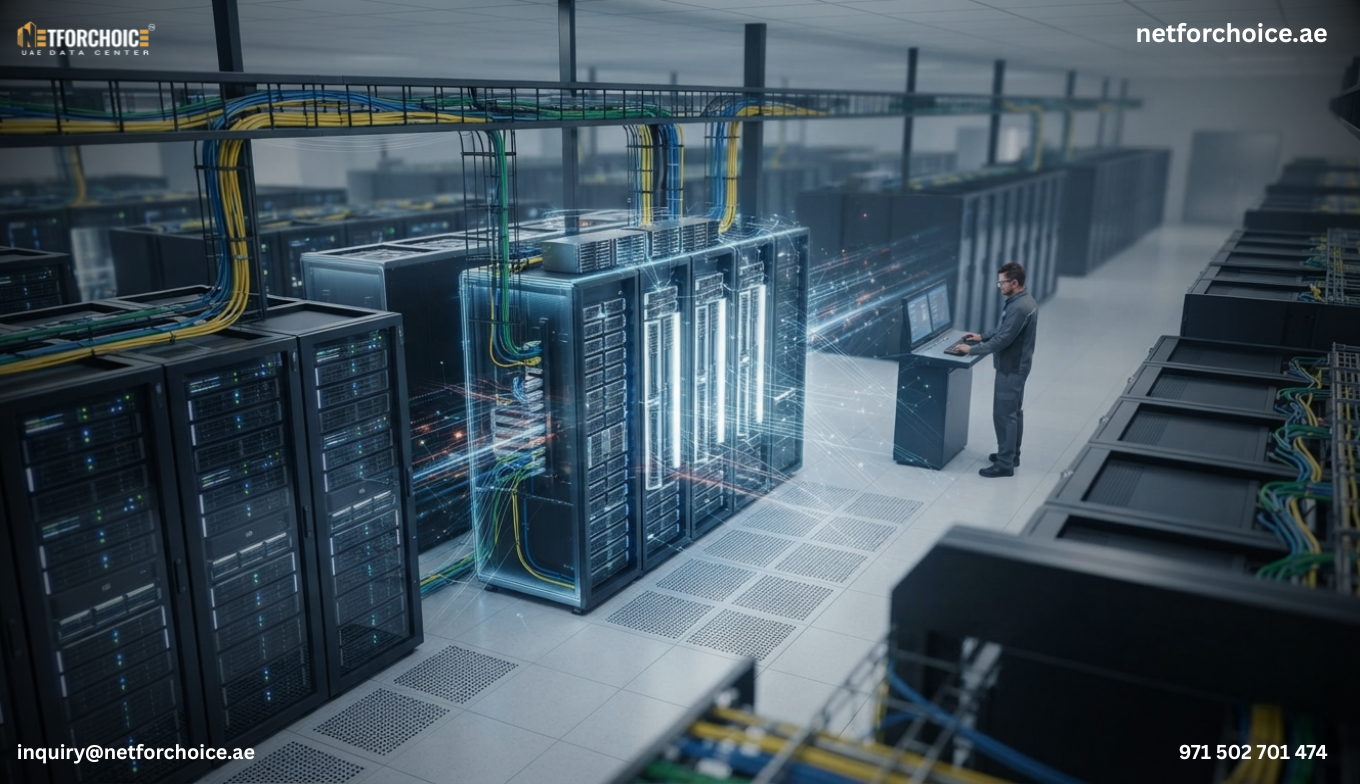
A modern business depends on its digital infrastructure for far more than storing files. Websites, applications, databases, communication systems, cloud services, and business-critical workloads all require dependable computing environments. Behind many of these services is a data center designed to keep IT systems running securely and consistently.
But reliability does not come from servers alone. A well-designed facility brings together power, cooling, connectivity, security, monitoring, and redundancy to create an environment where critical IT infrastructure can operate efficiently.
More Than a Building Full of Servers
It is easy to think of a data center as a room filled with server racks. In reality, the facility is a complete technology environment built around the needs of IT equipment.
Server infrastructure requires stable power, controlled temperature, reliable networking, physical protection, and appropriate environmental conditions. Each component supports the others.
For businesses, this means the quality of the underlying data center infrastructure can directly affect the reliability of the applications and services they depend on.
Reliable Power Is Fundamental
Servers and network equipment cannot operate without consistent electricity. A professional facility therefore needs power infrastructure designed to support continuous IT operations.
UPS systems can provide short-term power protection during interruptions, while backup generators can support longer outages. Power distribution also needs to be designed carefully so that equipment receives stable and appropriately managed power.
Redundancy becomes particularly important for mission-critical applications. If a single power component fails, an alternative path can help prevent that failure from interrupting business operations.
Cooling Keeps IT Equipment Within Safe Limits
Servers generate heat while operating. As computing workloads increase, effective thermal management becomes increasingly important.
A data center therefore requires appropriate cooling systems to maintain suitable operating conditions for servers, storage systems, and networking equipment.
Cooling is not simply about making a facility cold. Efficient thermal management involves managing airflow, equipment placement, temperature, and humidity so that computing infrastructure can operate reliably without unnecessary energy consumption.
Connectivity Is Part of Infrastructure Reliability
Modern businesses need dependable connections between users, applications, offices, cloud platforms, and other digital services.
Network infrastructure within a data center supports this communication. High-speed connectivity, resilient network architecture, structured cabling, and multiple connectivity options can all contribute to operational reliability.
For organizations running customer-facing applications or services that depend on constant communication, network availability can be just as important as server availability.
Physical and Digital Security Work Together
Protecting business systems requires more than cybersecurity software.
A professional facility should also consider physical security. Controlled access, surveillance, monitoring, secure server areas, and other protective measures can help prevent unauthorized physical access to IT infrastructure.
At the same time, businesses remain responsible for their own network security, application security, access controls, and data protection practices.
This combination of physical and digital protection is important because a secure IT environment needs multiple layers of defense.
Redundancy Reduces Single Points of Failure
A reliable infrastructure design considers what happens when individual components fail.
Redundancy can be applied to areas such as power, cooling, connectivity, and critical equipment. The exact architecture depends on the requirements of the facility and the workloads it supports.
The purpose is straightforward: avoid making one component responsible for keeping an entire business system operational.
This becomes especially important for organizations running business-critical systems where unexpected downtime can affect customers, employees, and internal operations.
Scalability Matters as Businesses Grow
Infrastructure requirements rarely remain constant.
A growing company may need additional servers, storage capacity, network resources, or computing power as its applications and workloads expand. A data center environment should therefore be capable of supporting infrastructure scalability without requiring businesses to redesign their entire IT environment every time demand increases.
Scalable infrastructure also gives organizations more flexibility when launching new applications or expanding digital services.
Monitoring Supports Proactive Operations
Infrastructure reliability also depends on knowing what is happening inside the environment.
Monitoring can provide visibility into areas such as power consumption, temperature, equipment status, network performance, and other operational conditions.
Instead of waiting for a major problem to become visible to users, monitoring can help technical teams identify unusual conditions and respond more quickly.
This is particularly valuable for environments supporting high-value applications and continuous business operations.
Data Centers Support More Than Data Storage
The role of a modern data center extends well beyond storing business information.
Organizations can use data center infrastructure to support websites, enterprise applications, databases, private cloud environments, dedicated servers, backup systems, and other IT workloads.
This makes the underlying facility an important part of an organization's broader digital infrastructure.
The specific infrastructure requirements will vary depending on the business. A small website may have very different needs from a large enterprise application or a system handling sensitive business workloads.
Building a Reliable IT Foundation
A dependable data center brings multiple infrastructure elements together rather than relying on a single technology.
Power protection supports availability. Cooling protects equipment. Network connectivity keeps systems connected. Physical security protects the facility. Redundancy helps reduce the impact of individual failures, while monitoring provides visibility into ongoing operations.
For businesses, understanding these components makes it easier to appreciate what sits behind reliable digital services.
As workloads become increasingly dependent on continuous computing and connectivity, the data center remains an important foundation for secure, scalable, and resilient business infrastructure.
Frequently Asked Questions
1. What is the main purpose of a data center?
A data center provides the physical infrastructure needed to operate servers, storage, networking equipment, and other IT systems. Businesses can use these environments to support applications, websites, databases, cloud services, and other digital workloads.
2. What makes a data center reliable?
Reliability depends on several factors, including resilient power infrastructure, effective cooling, network connectivity, physical security, monitoring, and redundancy. These components work together to reduce operational risks and support continuous IT services.
3. Why is scalability important in a data center?
Business workloads can increase as an organization grows. Scalable data center infrastructure allows businesses to add computing, storage, networking, or other resources as requirements change without completely redesigning their IT environment.
