What Makes a Bass Guitar Kit Suitable for Builders Planning Gradual Future Modifications
Author : SOLO Music Gear | Published On : 29 Oct 2026
This article was originally published on slimwiki.com and has been republished here with permission.
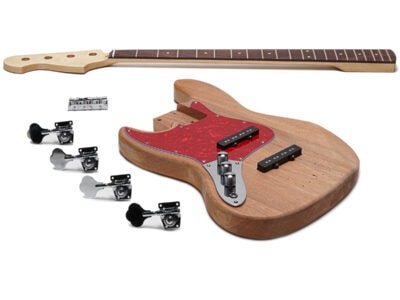
Building a bass from a kit is not only about getting the instrument assembled and playable. For many builders, the real value comes from having room to change parts later as their skills, sound preferences, or setup needs develop. A well-planned kit can make future work easier because the main components use familiar sizes, accessible mounting points, and straightforward wiring. That flexibility matters when someone wants to experiment over time without rebuilding the whole instrument from the beginning or making permanent changes too early. In this article, we will discuss what makes a kit practical for gradual upgrades and long-term custom work.
Start With a Layout That Leaves Room to Change
A bass guitar kit is easier to modify later when the main hardware follows common dimensions and the body does not lock the builder into unusual mounting choices. Bridge spacing, neck pocket size, control cavity access, and pickup routing all matter. For example, a builder may begin with the supplied bridge, then decide six months later to try a heavier unit with different adjustment features. If the mounting pattern is close to a common standard, that change is usually much simpler. In practice, I prefer kits that give builders options rather than forcing one permanent setup from day one.
Look Beyond the First Set of Components
People often compare the best guitar kits by looking at what comes in the box, but future flexibility deserves just as much attention. A kit may include usable tuners, pickups, pots, and a bridge, yet a builder might eventually want different hardware or electronics. The important question is whether those later changes can be made without major routing or drilling. A player who starts with passive electronics may later explore a different pickup set or control layout. The tradeoff is that a specialized kit can feel more distinctive at first, but standardized dimensions usually make later changes easier.
Check These Areas Before Assembly Begins
Choosing the best bass guitar kit for future modification means thinking about the instrument as a platform, not just a one-time project. Before drilling final holes or soldering the controls, it helps to review the parts most likely to change later.
-
Check whether the bridge uses a common mounting pattern
-
Measure the neck pocket and heel before final fitting
-
Review pickup cavity dimensions and available depth
-
Confirm the control cavity has room for wiring changes
-
Look at tuner hole size before installing the machines
-
Keep clear notes or photos of the original wiring layout
A little planning now can save rework later. Even something as simple as photographing the control cavity before soldering can make a future pickup or pot change much easier to understand.
Build in Stages Instead of Changing Everything at Once
A build a guitar kit project often works best when the builder makes one change at a time. That approach gives each modification a clear purpose and makes it easier to hear or feel what actually changed. For example, someone might finish the original build, play it for two months, then change the bridge before touching the pickups. If the instrument feels more stable afterward, the effect is easy to judge. Changing the bridge, tuners, pickups, and controls in one weekend may be faster, but it becomes harder to know which upgrade made the biggest difference.
Conclusion
A kit designed for future modification should offer dimensions, accessible cavities, familiar mounting patterns, and enough room for wiring or hardware changes. Planning around flexibility gives builders more control while reducing the chance that upgrades require extra drilling or routing.
SOLO Music Gear supports musicians, builders, hobbyists, and repair shops with bass kits, parts, tools, accessories, and technical resources. Its range serves customers across Canada and the USA who want practical options for new builds, maintenance, upgrades, and custom projects.
Frequently Asked Questions
Question: Should I upgrade parts before assembling a bass kit?
Answer: Not always. Building the instrument with the supplied components first gives you a useful starting point. After playing it for a while, you can identify which areas actually need improvement rather than replacing parts without a clear reason.
Question: Which parts are easiest to upgrade later?
Answer: Tuners, bridges, pickups, knobs, pots, and other accessible hardware are often easier to change than structural parts. The exact difficulty depends on mounting dimensions, cavity size, wiring access, and whether new holes are required.
Question: Is it better to make several upgrades at the same time?
Answer: Usually not if you want to understand the effect of each change. Making one modification at a time helps you compare feel, sound, tuning, or setup differences and makes troubleshooting much easier if a problem appears.
