What Key Indicators Should Inspect For Stacked Lithium Battery Before Bulk Shipment Acceptance
Author : Alex Wu | Published On : 25 Aug 2026
Stacked lithium‑battery obtains wide adoption for high‑voltage stackable home‑battery and partial small‑scale commercial‑storage‑projects. For cross‑border bulk‑order procurement, pre‑shipment acceptance‑inspection serves as critical barrier preventing non‑qualified‑product from being delivered. Many purchasing teams only carry out outer‑appearance‑check, ignoring internal‑electrical‑performance‑testing items. Drawing pre‑shipment‑audit‑experience from multiple large‑volume energy‑storage‑order‑projects, appearance cannot represent real‑inner‑performance of modular stacked‑battery‑product. This article sorts core acceptance‑inspection‑points.
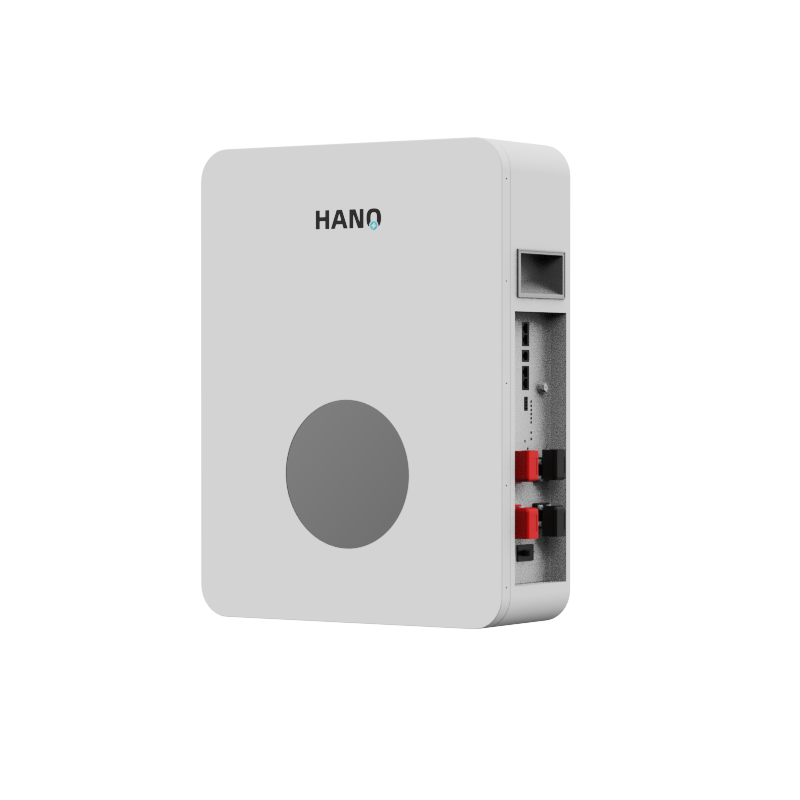
Cell Consistency And Module‑Electrical‑Performance Test
Cell‑consistency acts as decisive factor for long‑term operation of stacked lithium‑battery. Even every single‑cell meets individual‑spec‑sheet requirement, excessive voltage‑difference among monomers will cause whole‑stack‑system capacity‑degradation in later‑stage cyclic‑operation. Energy‑storage‑testing‑standard‑documents suggest inspectors pay attention to static‑voltage‑dispersion data among modules and inner‑module cells.
Simple static‑voltage‑measurement cannot fully expose potential‑hidden‑trouble. Partial cell‑voltage stays close under static‑state, but generates obvious divergence after actual charge‑discharge‑cycling. For important bulk‑order‑project, sampling charge‑discharge‑cycling‑test for part‑of‑production‑lot becomes necessary acceptance‑step. Inspectors record capacity retention‑rate, voltage‑variation‑trend during whole test‑process.
Field‑project‑audit‑records show that several quality‑dispute‑cases happen because acceptance‑procedure only relies on static‑voltage‑reading, without real‑cycle‑performance‑verification.
BMS Function Verification And Mechanical Assembly Quality Inspection
High‑voltage stackable home‑battery relies heavily on BMS multi‑group‑coordination function. Pre‑shipment acceptance needs to verify over‑charge, over‑discharge, over‑current and over‑temperature‑protection‑trigger‑logic. For product equipped with active balancing energy‑storage‑function, balancing‑activation‑response also needs practical‑simulation‑check. If project requires inverter communication‑interaction, real‑device joint‑communication‑test should be completed for sampled‑units.
Mechanical‑assembly‑quality‑inspection covers screw‑torque‑check for high‑‑voltage‑connection‑terminal, module‑locking‑structure tightness, cabinet‑sealing‑condition and wiring‑harness‑arrangement. Loose high‑voltage‑terminal belongs to severe safety‑hidden‑danger. Visual‑appearance‑check cannot discover insufficient screw‑torque‑issue. Torque‑sampling‑test is indispensable acceptance‑item for stacked‑lithium‑battery‑product.
Poor‑quality wiring‑harness‑fixing will bring harness‑abrasion risk under long‑time equipment‑vibration environment. These assembly‑details directly relate to whole‑set‑system‑safety‑performance.
Manufacturer Batch‑Document Audit And Sample‑Comparison Mechanism
Pre‑shipment‑acceptance‑work is not limited to hardware‑physical‑inspection. Complete batch‑related‑documentation‑audit cannot be omitted. Including batch‑raw‑material‑inspection‑record, module‑aging‑test‑report, safety‑certificate copy and shipping‑technical‑datasheet. Every‑document should correspond to actual production‑lot number.
Compare random‑sampled mass‑production‑unit against confirmed pre‑production‑sample. Check dimension, marking‑printing, internal‑component‑layout difference. For custom‑modified stacked‑lithium‑battery project, every‑custom‑alter‑point should be cross‑verified one‑by‑one.
Mature manufacturing‑capability supports third‑party witness‑test for bulk‑order pre‑shipment acceptance. A capable manufacturer provides full‑set batch‑traceability‑file, and cooperates with purchaser’s acceptance‑procedure requirement, lowering risk of receiving inconsistent‑quality stacked‑lithium‑battery goods for cross‑border energy‑storage‑projects.
