What Is Reformer Pilates? Tips to Try the Low-Impact Workout With Many Health Benefits
Author : Reformer Pilates | Published On : 24 Mar 2026
Reformer Pilates attracts attention for a simple reason. The workout feels controlled, supportive, and surprisingly effective. Many people first encounter it in a studio class, lying on a sliding carriage while springs create resistance that guides every movement.
The method traces back to Joseph Pilates, who developed equipment designed to support the body during exercise. His goal centred on controlled strength rather than intense impact. Modern reformer sessions still follow that principle, using slow movement, breath control, and precise positioning to build strength without placing heavy strain on joints.
Reformer machines look unusual at first glance. A padded platform known as the carriage moves along rails, while adjustable springs create resistance. Footbars, straps, and shoulder blocks stabilise the body during exercises. These features help guide posture so muscles engage properly during each movement.
Studios often use several types of equipment, including Pilates Reformer Beds, which provide the sliding platform used for many exercises. These machines support movements that target the legs, core, back, and arms through carefully controlled resistance.

The result is a workout that feels gentle yet demanding. Muscles stay engaged throughout the entire movement rather than relying on momentum. That constant control makes reformer sessions particularly effective for strengthening stabilising muscles around the spine.
Understanding How the Reformer Works
The reformer creates resistance through a system of springs attached to the carriage. Changing the spring tension adjusts the difficulty of each exercise. Lighter resistance allows greater mobility, while heavier springs challenge strength and control.
The carriage glides along rails as the body pushes or pulls against the springs. Exercises often involve pressing the carriage away with the legs, pulling straps with the arms, or stabilising the core while the carriage moves underneath the body.
This sliding motion encourages smooth movement rather than sharp impact. Joints stay supported, which explains why physiotherapists and rehabilitation specialists frequently include reformer exercises in recovery programmes.
The controlled pace also encourages attention to breathing. Each movement pairs with slow inhalation or exhalation, helping maintain rhythm and stability during the session.
Why Reformer Pilates Has Become So Popular
Fitness trends shift constantly, yet reformer Pilates continues to gain followers. The appeal lies in its balance of challenge and accessibility.
Unlike high-impact training, the reformer supports the body throughout each exercise. Springs provide resistance without placing heavy load on joints. Many people discover that movements feel achievable even when the muscles work intensely.
Another benefit comes from the full-body engagement. Core muscles activate in nearly every exercise, supporting the spine while other muscle groups move. Over time, this steady engagement encourages stronger posture and better body awareness during everyday activities.
Flexibility also improves gradually. The carriage allows longer ranges of motion than floor-based exercises, encouraging muscles to lengthen while remaining supported.
Studios often combine reformer sessions with other Pilates equipment. One example is the Pilates Chair UK, a compact piece of equipment that challenges balance and core stability through seated and standing exercises. The chair’s smaller platform requires precise control, which complements the smoother movement patterns of the reformer.
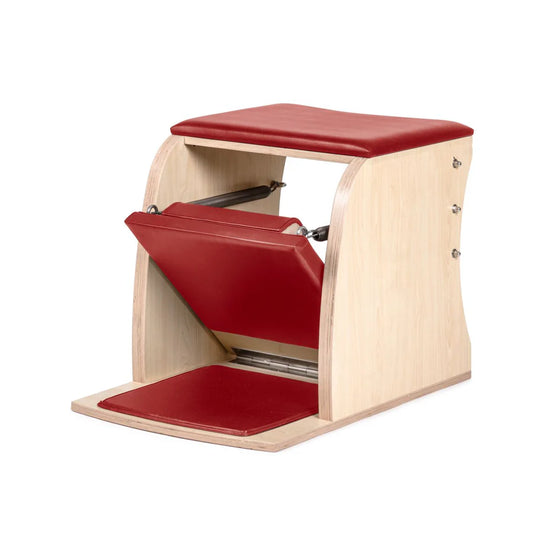
Together, these machines create varied workouts that strengthen the body from multiple angles while keeping the overall experience low impact.
Reformer Pilates now appears in boutique studios, physiotherapy clinics, and home gyms across the UK. Many people choose it not only for strength training, but also for the calm, focused rhythm the exercises encourage.
Health Benefits of Reformer Pilates
Regular reformer sessions support strength in ways that feel balanced rather than overwhelming. Each movement encourages the body to stabilise while muscles lengthen and contract under controlled resistance. This steady pattern helps strengthen the deep abdominal muscles that protect the spine.
A stronger core often leads to improved posture during everyday life. Many people notice small changes first, including sitting upright with less effort or feeling more stable during walking. Over time, the back, shoulders, and hips begin to work together more efficiently.
Flexibility also improves through the smooth movement of the carriage. The reformer allows muscles to lengthen gradually without sudden strain. Hamstrings, hip flexors, and spinal muscles often benefit most, particularly for those who spend long hours sitting.
Another reason people return to reformer classes involves the low-impact nature of the exercises. Movements stay controlled, joints remain supported, and muscles work continuously without sharp pressure. This approach makes the method suitable for a wide range of ages and fitness levels.
Rehabilitation professionals frequently recommend reformer exercises during injury recovery. The adjustable spring resistance allows exercises to match the body’s current ability. Gradual progression then rebuilds strength without rushing the process.
Mental wellbeing also plays a part. The slow rhythm of movement combined with controlled breathing encourages focus. Many people describe the session as calming, almost meditative, even while the muscles work hard.
Tips for Trying Reformer Pilates for the First Time
A first reformer class can feel unfamiliar, mainly because the machine moves beneath the body. That sensation quickly becomes comfortable once the basic movements are introduced.
Starting with lighter spring resistance helps build confidence. Lighter tension allows the carriage to move smoothly while the body learns how to stabilise during each exercise. Strength naturally improves as resistance gradually increases.
Breathing plays a central role in the experience. Slow, steady breathing supports muscle engagement and helps maintain rhythm throughout the workout. Instructors usually guide the breathing pattern during early sessions so the movements feel coordinated.
Working with a trained instructor also improves technique. Small adjustments in foot placement, shoulder alignment, or breathing can change how an exercise feels. Guidance helps ensure the right muscles activate without unnecessary strain.
Comfortable clothing helps the session run smoothly. Stretchable fabrics allow free movement, while grip socks often provide better stability on the carriage platform.
Bringing the Studio Experience Into the Home
Interest in home Pilates equipment continues to grow across the UK. Busy schedules often make studio visits difficult, which leads many people to recreate the experience at home.
Modern reformer machines now include foldable frames and space-saving designs. These features allow the equipment to fit comfortably in spare rooms, home gyms, or living spaces without taking over the entire area.
Reliable equipment makes a noticeable difference in the quality of practice. Smooth carriage movement, stable frames, and durable springs help maintain consistent resistance during each exercise.
Many households now explore Pilates equipment designed to recreate the studio environment. High-quality reformers allow consistent training at home, supporting strength, flexibility, posture, and overall wellbeing. Brands such as Reformer Pilates UK focus on machines built for durability, comfort, and controlled movement, helping users enjoy the same style of workout commonly found in professional studios.
Reformer Pilates offers a practical approach to fitness that prioritises control, stability, and mindful movement. The exercises may appear gentle at first glance, yet the results often speak for themselves through improved strength, better posture, and a more balanced approach to exercise.
Choosing Equipment That Supports Long-Term Practice
Many people begin Pilates in a studio before deciding to continue the practice at home. After a few sessions, the benefits become noticeable. Movements feel smoother, posture improves during everyday activities, and the body begins to move with greater control.
When selecting home equipment, stability should remain the first priority. A solid frame prevents unwanted movement during exercises, which helps maintain proper alignment. Smooth carriage travel also matters. When the platform glides consistently along the rails, each repetition feels controlled rather than jerky.
Spring resistance plays an important role as well. Adjustable springs allow exercises to match different strength levels, which makes the equipment suitable for beginners, experienced practitioners, and rehabilitation programmes. This flexibility allows routines to develop gradually over time.
Space also influences equipment choice. Foldable reformers have become increasingly popular because they allow the machine to store neatly when not in use. These designs make it easier to maintain a home practice without dedicating an entire room to exercise equipment.
Quality materials help ensure the equipment performs consistently. Strong frames, durable upholstery, and reliable spring systems support daily use while maintaining comfort during longer sessions.
Reformer Pilates continues to grow in popularity for a clear reason. The method encourages controlled movement, builds strength through steady resistance, and supports flexibility without harsh impact. That balance makes it suitable for many people seeking a sustainable form of exercise.
With the right equipment and a consistent routine, the reformer becomes more than a piece of fitness equipment. It becomes part of a regular movement practice that supports posture, strength, flexibility, and overall wellbeing.
