What Is Red Light Therapy in Coral Springs and How Does It Work?
Author : Liquivida WellnessCenter | Published On : 26 Aug 2026
Red light therapy (RLT) has become a popular non-invasive approach for supporting skin repair, radiance, and overall tissue wellness. Unlike laser treatments that resurface the skin, RLT uses low-level red and near-infrared light to interact with cells without damaging the skin’s surface. Red Light Therapy in Coral Springs may appeal to people looking for a comfortable treatment that fits into a regular wellness or aesthetic routine.
At Liquivida Wellness Center, red light therapy focuses on supporting the skin’s natural repair processes while addressing concerns such as fine lines, uneven texture, redness, and general skin radiance.
What Is Red Light Therapy?
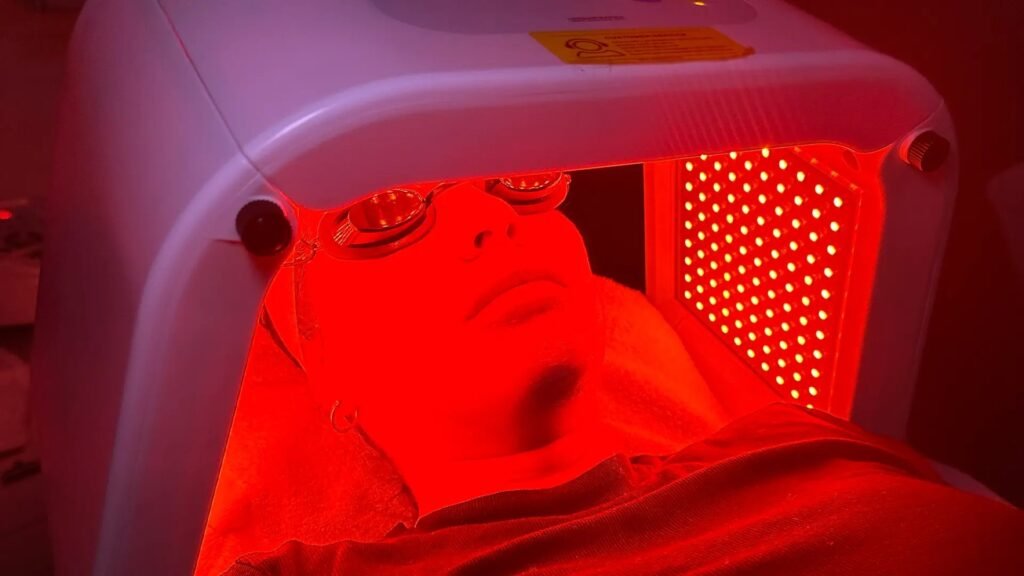
Red light therapy uses specific wavelengths of low-level LED light, primarily in the red and near-infrared ranges. During a session, the light reaches the skin and underlying tissues, where cells can absorb the light energy.
The treatment does not rely on needles, incisions, or aggressive resurfacing. Instead, it aims to encourage natural cellular activity. Because RLT does not remove the outer layer of skin, many people experience little to no recovery time following treatment.
The exact effects can vary depending on the treatment device, wavelength, condition being addressed, and individual response.
How Does Red Light Therapy Work?
To understand Red Light Therapy in Coral Springs, it helps to look at how light interacts with cells. Red and near-infrared wavelengths can reach different depths of tissue and may influence cellular processes.
Cellular Stimulation
Light energy can interact with mitochondria, which help cells produce energy. This interaction may support normal cellular function and the body's natural repair processes.
Collagen and Elastin Support
RLT may encourage processes associated with collagen and elastin production. These proteins help maintain the skin’s structure, firmness, and elasticity. With consistent treatment, this may help improve the appearance of fine lines and overall skin texture.
Circulation and Tissue Repair
Red and near-infrared light may support local circulation and cellular activity. Improved circulation can contribute to the delivery of oxygen and nutrients to tissues while supporting normal healing.
Inflammation Support
RLT may also have anti-inflammatory effects. This makes it an area of interest for people dealing with temporary redness, swelling, or certain types of muscle and joint discomfort. However, results vary, and RLT should not replace medical evaluation or treatment when a health condition requires professional care.
What Can Red Light Therapy Help With?
The applications of red light therapy can extend beyond cosmetic skin care. Depending on the device and treatment plan, practitioners may use RLT as part of wellness and aesthetic routines for concerns such as:
- Fine lines and wrinkles
- Uneven skin tone and texture
- Dull-looking skin
- Acne-related inflammation
- Certain types of skin irritation and redness
- Support for scar and wound healing
- Muscle and joint discomfort
- General skin rejuvenation and radiance
Red light therapy does not produce identical results for everyone. A qualified professional can help determine whether it is appropriate for a particular concern.
What Happens During a Red Light Therapy Session?
A typical session is straightforward and comfortable. The treatment area is positioned near or under a red light therapy device so the targeted skin or tissue receives the appropriate light exposure.
Sessions commonly take about 15 to 30 minutes, depending on the treatment protocol and area being addressed. RLT is generally described as painless, although some people may notice mild warmth from the device.
There is typically no significant downtime, allowing many people to return to their normal activities after treatment. A provider may recommend weekly or bi-weekly sessions depending on the individual's goals and response.
Red Light Therapy vs. Laser Treatments
Although both treatments use light, red light therapy and laser treatments work differently.
Laser treatments typically deliver concentrated energy to specific targets in the skin. Some laser procedures intentionally affect or resurface the skin and may require recovery time.
RLT uses low-level LED light without intentionally removing or ablating the skin. It generally offers a gentler treatment experience and focuses on supporting cellular activity rather than resurfacing the skin.
The right option depends on the specific skin concern, treatment goals, skin characteristics, and professional assessment.
Is Red Light Therapy Safe?
RLT is generally considered a non-invasive treatment with a favorable safety profile when used appropriately. It can be suitable for many skin types and tones. However, it may not be appropriate for everyone or every condition.
People taking medications that increase light sensitivity or those with certain medical conditions should discuss RLT with a qualified healthcare professional before treatment. Eye protection may also be recommended depending on the device and treatment protocol.
How Often Should You Have Red Light Therapy?
There is no single schedule that works for everyone. Treatment frequency depends on the device, the area being treated, and the individual's goals. Many protocols use regular sessions over several weeks rather than relying on a single treatment.
Consistency can matter because changes associated with collagen support, skin repair, and overall skin appearance may develop gradually. A provider can recommend a schedule based on the treatment plan and individual needs.
Explore Red Light Therapy in Coral Springs
Red Light Therapy in Coral Springs offers a non-invasive option for people interested in supporting skin radiance, texture, and natural repair. At Liquivida Wellness Center, RLT can be considered alongside other aesthetic treatments, such as chemical peels, microdermabrasion, microneedling, PRP facials, and other skin-focused services.
If you are considering red light therapy, discuss your goals and expectations with a qualified professional to determine whether the treatment fits your needs.
