What Is Plunger Packing and Why Is It Essential for High-Pressure Pump Sealing?
Author : HitokaCece HitokaCece | Published On : 17 Jul 2026
Introduction
Over the years in the oilfield equipment industry, I have seen high-pressure pump failures caused by one of the simplest components: the plunger packing. Plunger packing is the sealing element that prevents fluid from leaking around the reciprocating plunger, maintaining pressure and protecting the pump from damage. When packing fails, the consequences are immediate and costly—fluid leakage, pressure loss, increased wear on the plunger, and unplanned downtime. The right packing, however, delivers reliable sealing, extended service life, and lower operating costs. Having worked with maintenance engineers and pump operators across multiple regions, I have learned what separates quality plunger packing from inferior alternatives. In this article, I want to share what plunger packing is and why it is essential for high-pressure pump sealing.
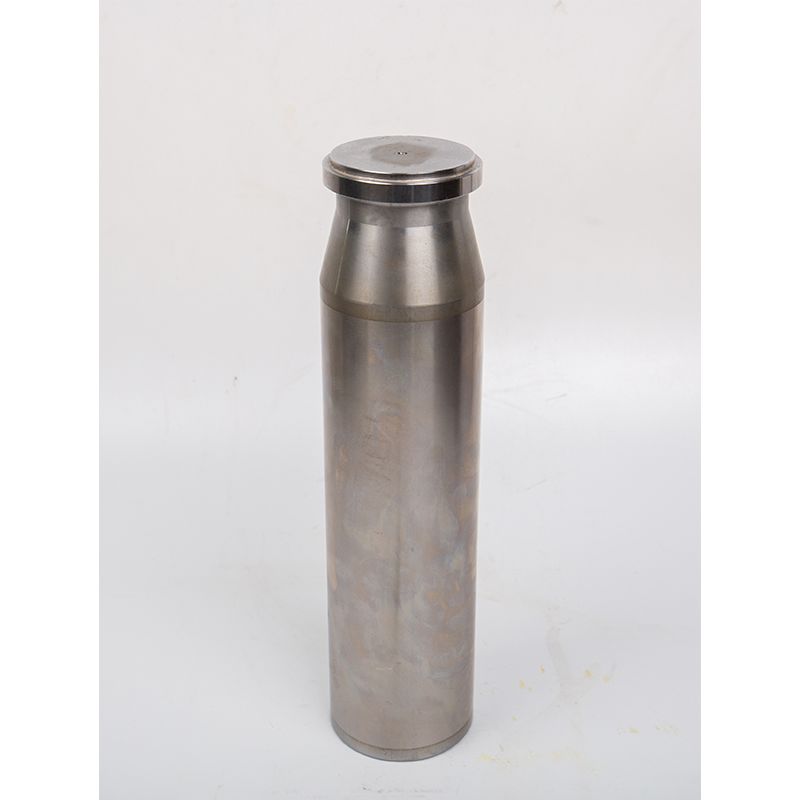
Plunger Packing Material and Construction Quality
The most fundamental factor in plunger packing performance is the quality of materials and construction. Premium plunger packing is manufactured from high-performance polyurethane or nitrile rubber compounds that provide exceptional wear resistance, oil resistance, high-temperature stability, and low compression set. These materials maintain their sealing properties even under high pressures, high temperatures, and exposure to abrasive fracturing fluids. The construction of the packing set is equally important—quality packing sets are precision-molded with consistent dimensions and proper geometry to ensure effective sealing. The packing rings must be designed to compress evenly when installed, creating a uniform seal around the plunger. When evaluating plunger packing, look for materials specifically formulated for high-pressure oilfield applications and verify that the manufacturer has quality control processes in place. I have worked with operators who used low-quality packing materials and experienced rapid seal failure that led to costly downtime.
Plunger Packing Proper Installation and Compression
The second critical factor in plunger packing performance is proper installation and compression. Even the highest-quality packing will fail if it is not installed correctly. The packing must be properly positioned in the packing gland, with the rings oriented correctly and compressed to the proper tension. Over-compression causes excessive friction and heat, leading to premature wear of both the packing and the plunger. Under-compression allows fluid to bypass the seal, causing leakage and pressure loss. The packing must also be properly lubricated to reduce friction and dissipate heat. Many packing failures are the result of improper installation rather than material defects. When installing plunger packing, follow the manufacturer's recommendations for compression torque and ensure that the packing gland is clean and free from damage. I have worked with maintenance engineers who discovered that their packing failures were caused by over-compression rather than packing quality.
Plunger Packing Inspection and Maintenance Schedule
The third critical factor in plunger packing performance is regular inspection and maintenance. Plunger packing wears over time due to friction and exposure to abrasive fluids, and it must be replaced before it fails completely. A regular inspection schedule is essential for identifying wear and replacing packing at the optimal time. Signs of packing wear include increased fluid leakage, reduced pump pressure, and visible damage to the packing material. The inspection frequency depends on the operating conditions—high-pressure, high-speed, and abrasive applications require more frequent inspection than less demanding applications. Maintaining proper lubrication is also essential for extending packing life. When replacing packing, always use the correct size and type for your pump and plunger specifications. I have worked with operators who neglected packing inspection and experienced catastrophic seal failure that damaged the plunger and required extensive repairs.
Conclusion
Plunger packing is essential for high-pressure pump sealing because it provides the critical barrier that prevents fluid leakage around the reciprocating plunger, maintaining pressure and protecting the pump from damage. Quality plunger packing relies on material and construction quality that ensures wear resistance and sealing performance, proper installation and compression that prevents premature failure, and regular inspection and maintenance that extends service life and reduces operating costs. For maintenance engineers, pump operators, and procurement professionals, plunger packing is not just a seal—it is a critical component that directly affects pump reliability and operational efficiency. In an industry where fluid leakage can lead to costly downtime, the right plunger packing is not just a replacement part—it is an investment in operational integrity.
