What Is Paint Protection Film and Why Is It Essential for Modern Vehicle Care?
Author : HitokaCece HitokaCece | Published On : 17 Jul 2026
Introduction
Over the years in the automotive film industry, I have seen paint protection film transform from a niche product for exotic cars into a mainstream essential for vehicle owners who value their investment. The numbers tell the story: the global PPF market was valued at approximately USD 1.09 billion in 2025 and is projected to reach USD 1.55 billion by 2030, growing at a CAGR of 7.2%. This growth reflects a fundamental shift in how vehicle owners think about paint preservation. Road debris, stone chips, bug splatter, and environmental contaminants are relentless enemies of automotive paint. Paint protection film provides a transparent, durable shield that preserves the vehicle's appearance and resale value. Having worked with car dealers, fleet managers, and retail buyers across multiple regions, I have learned what makes PPF essential for modern vehicle care. In this article, I want to share why paint protection film has become indispensable for protecting automotive investments.
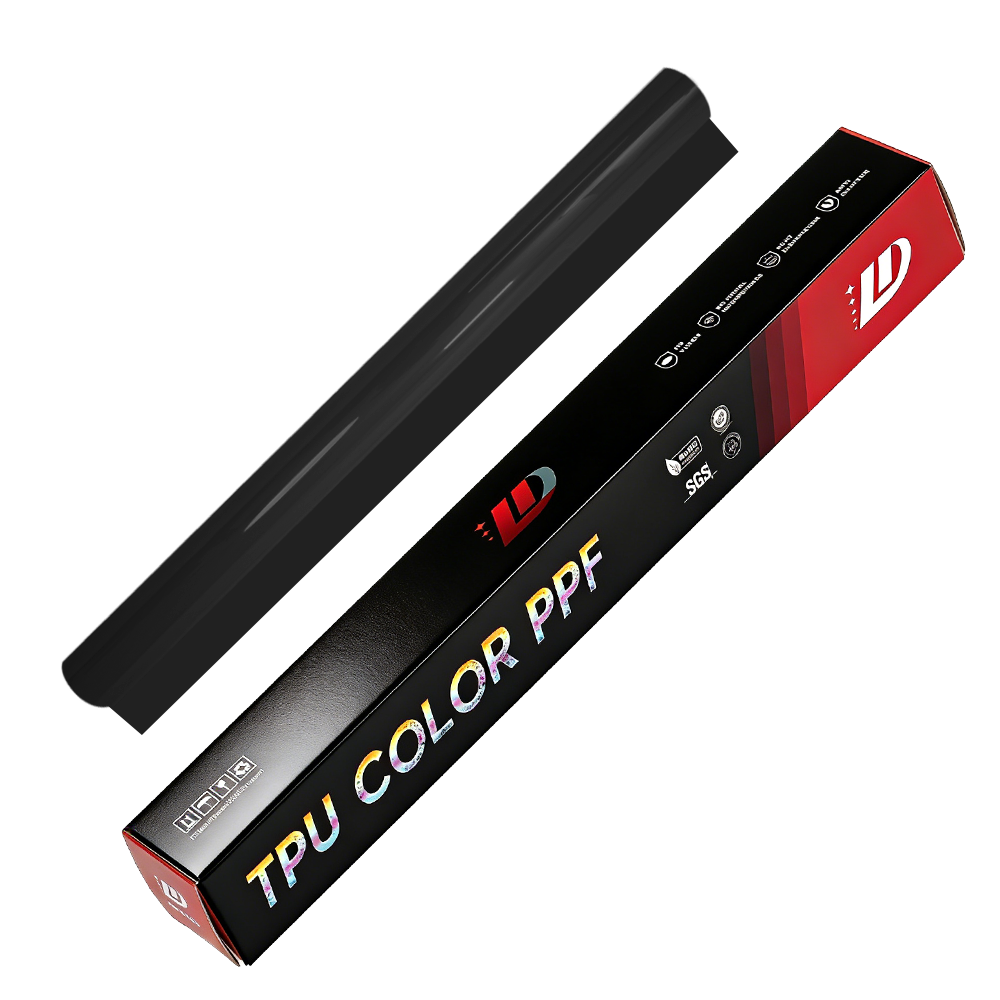
Paint Protection Film Protective Shield Against Road Hazards
The primary function of paint protection film is to provide a durable, transparent shield against the hazards of everyday driving. When you drive, your vehicle's paint is constantly bombarded by stone chips kicked up by tires, road salt, bug splatter, bird droppings, and UV radiation. Without protection, these contaminants gradually degrade the paint, leading to chips, scratches, fading, and eventual rust formation. Paint protection film acts as a sacrificial layer that absorbs these impacts and contaminants, preserving the original paint underneath. High-quality PPF is engineered to be tough enough to withstand rock impacts at highway speeds while remaining flexible enough to conform to complex body contours. The film's self-healing properties allow minor scratches to disappear with exposure to heat, keeping the surface looking pristine over time. For vehicle owners, the investment in PPF protects not just the appearance of the vehicle but its resale value—a well-maintained paint finish can add thousands of dollars to a vehicle's trade-in value.
Paint Protection Film Advanced TPU Material Technology
Modern paint protection films are manufactured from advanced thermoplastic polyurethane (TPU) materials that offer a unique combination of properties unmatched by traditional vinyl or PVC films. TPU provides excellent tensile and tear resistance, making it highly effective at protecting paint from impacts and abrasions. Unlike PVC films that are thin, rigid, and prone to cracking under impact, TPU films are soft and blend well with car paint, enhancing the gloss of the finish. The self-healing property of TPU is one of its most remarkable features—minor scratches and swirl marks disappear when exposed to heat from sunlight or warm water, maintaining a flawless appearance. TPU films also offer superior resistance to yellowing and degradation from UV exposure, ensuring long-term clarity and protection. For vehicle owners seeking the ultimate in paint protection, TPU-based PPF represents the state of the art in automotive surface protection technology.
Paint Protection Film Value Proposition for Vehicle Owners
The third critical aspect of paint protection film is its value proposition for vehicle owners. While the upfront cost of PPF installation may seem significant, the long-term savings and benefits far outweigh the initial investment. Paint protection film preserves the vehicle's factory paint finish, preventing the need for expensive paint correction or repainting. It reduces the frequency and cost of detailing, as the film's smooth surface resists contaminants and is easier to clean. For luxury and exotic vehicle owners, PPF is virtually essential—the cost of repainting a high-end vehicle can be tens of thousands of dollars. For fleet operators, PPF reduces maintenance costs and keeps vehicles looking professional, which enhances brand image. The self-healing properties of modern TPU films mean that minor scratches and swirl marks repair themselves, reducing the need for polishing and paint correction. For car dealers and retailers, offering PPF as a value-added service can generate additional revenue while providing customers with genuine protection for their investment.
Conclusion
Paint protection film is essential for modern vehicle care because it provides a durable protective shield against road hazards and environmental contaminants, utilizes advanced TPU material technology with self-healing properties for superior protection and appearance, and delivers exceptional value by preserving paint finish, reducing maintenance costs, and protecting resale value. For car dealers, fleet managers, and retail buyers, paint protection film represents both a product category with strong growth potential and a service that addresses a genuine customer need. In a world where vehicles are significant investments, PPF is not just a film—it is a shield that protects value, appearance, and pride of ownership.
