What Is Ophthalmic Equipment? A Comprehensive Guide to Modern Vision Care Technology
Author : Jelson Tony | Published On : 08 May 2026
In the landscape of modern medicine, few fields rely as heavily on technological precision as eye care. To the uninitiated, an eye exam might seem like a simple series of "which is better, one or two?" questions. However, behind every accurate prescription and successful cataract surgery lies a sophisticated suite of ophthalmic equipment.
But what exactly defines this category of technology, and how do these instruments bridge the gap between a routine check-up and life-changing medical intervention? Understanding the tools of the trade is essential for practitioners aiming to provide world-class care and for patients who wish to understand the science behind their vision.
Defining the Scope: What Is Ophthalmic Equipment?
At its core, ophthalmic equipment refers to the specialized medical devices designed for the examination, diagnosis, diagnosis, and treatment of the human eye and its surrounding structures. Unlike general medical tools, these instruments must account for the eye’s unique anatomy—its microscopic layers, fluid dynamics, and light-refracting properties.
The industry categorizes these tools into three primary pillars: diagnostic, refractive, and surgical. While some devices are handheld and portable, others are complex, integrated systems that form the backbone of a modern optometry and optical lab. Since 2009, manufacturers like Shanghai Link Instruments Co., Ltd. have been at the forefront of this sector, integrating R&D and precision manufacturing to ensure these tools meet the rigorous standards of global eye care professionals.
How Do Diagnostic Instruments Identify Silent Eye Diseases?
The primary role of ophthalmic equipment is to "see the unseen." Many sight-threatening conditions, such as glaucoma or macular degeneration, develop without early symptoms.
The Essential Slit Lamp
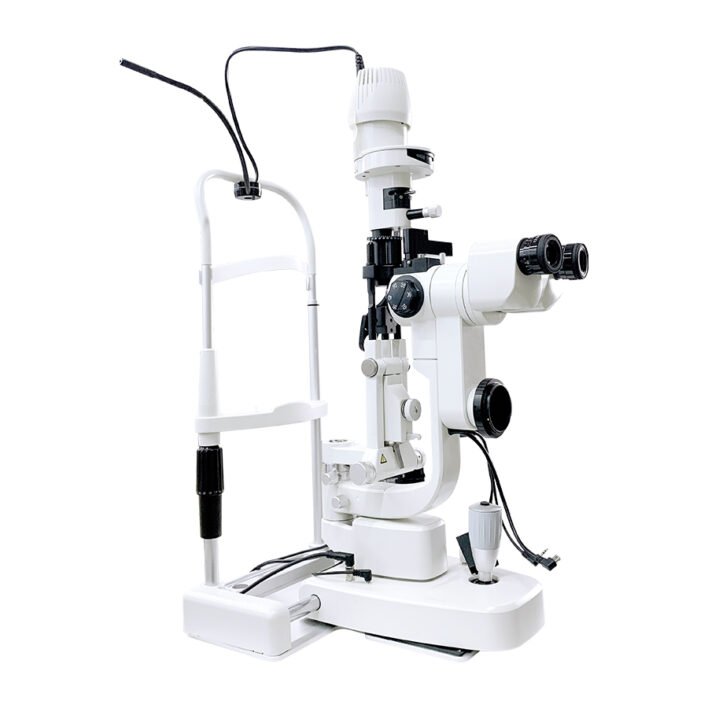
The Slit Lamp is perhaps the most iconic piece of equipment in any clinic. It is a high-intensity light source combined with a biomicroscope that allows the specialist to examine the eye in three dimensions. By adjusting the "slit" of light, doctors can inspect the cornea, iris, and lens with microscopic detail.
The Role of Tonometry and Intraocular Pressure
As discussed in our previous guides, measuring eye pressure is vital. Modern ophthalmic instruments, including non-contact tonometers, allow for rapid screening of intraocular pressure (IOP). These devices are critical for early glaucoma detection, ensuring that the "silent thief of sight" is caught before permanent damage occurs.
Why Is Refractive Equipment Crucial for Daily Vision?
While diagnostic tools find disease, refractive equipment ensures the world looks sharp. This sub-category focuses on how the eye bends light and how lenses can correct errors like myopia (nearsightedness) or astigmatism.
- Auto Refractometers: These devices automatically measure a patient's refractive error in seconds. Shanghai LINK’s range of Auto Refractometers is engineered for high accuracy, providing a reliable starting point for any prescription.
- Phoropters: This is the large instrument a patient looks through while the doctor switches lenses. It remains the clinical gold standard for refining a final eyeglass or contact lens prescription.
- Lensmeters: Essential for any optical lab, these tools verify the power of existing eyeglass lenses to ensure they match the patient’s needs.
For clinics looking to scale, the integration of these tools into a Chair & Stand Unit creates a seamless "all-in-one" workstation, optimizing space and improving patient flow.
Where Does Optical Lab Equipment Fit In?
Beyond the exam room lies the optical lab, where the transition from "prescription" to "product" happens. Optical lab equipment includes lens edgers, blockers, and surfacing machines. These tools must operate with sub-millimeter precision to ensure that a lens sits perfectly within its frame, aligning the optical center with the patient's pupil.
Reliability in this department is paramount. A minor calibration error in a lab can result in peripheral distortion or patient headaches, which is why sourcing equipment from ISO 9001 and ISO 13485 certified manufacturers like Shanghai LINK is a strategic move for long-term clinical success.
How to Choose the Right Ophthalmic Equipment Provider?
With the global expansion of the med-tech market, practitioners often face a dilemma: how to balance cost with clinical excellence? According to the World Council of Optometry (WCO), the durability and after-sales support of medical devices are just as important as their initial technical specs.
Shanghai Link Instruments has addressed this by establishing a robust global service network. With 15 years of industry experience and strategic overseas warehouses in Europe and the Americas, they provide local delivery and reliable service that many traditional exporters lack. Their commitment to FDA and CE certification ensures that every Auto Refractometer or Trial Lens Set meets international safety and performance benchmarks.
The Future of Vision: Digital Integration and AI
The next frontier for ophthalmic equipment is digital connectivity. Modern devices no longer operate in isolation; they are part of an integrated digital ecosystem. Data from a Slit Lamp or LCD Chart can now be instantly uploaded to Electronic Health Records (EHR), allowing for longitudinal tracking of a patient's eye health over decades.
This shift towards "Smart Clinics" is something Shanghai LINK continues to evolve toward, ensuring that their manufacturing facility in Shanghai stays equipped with advanced optical testing instruments to lead the next generation of eye care technology.
Conclusion: Investing in Precision
What is ophthalmic equipment? It is the bridge between a doctor’s expertise and a patient’s quality of life. From the foundational Trial Lens Set to the high-tech Slit Lamp, these tools are the silent partners in every successful vision outcome.
For professionals seeking to upgrade their practice, the choice of equipment is a statement of their commitment to patient care. By partnering with established manufacturers like Shanghai LINK, clinics can ensure they are equipped with the accuracy, reliability, and global support needed to excel in the competitive field of ophthalmology.
