What Is a Power Quality Analyzer Meter and How Does It Work?
Author : CHK Shop | Published On : 24 Jun 2026
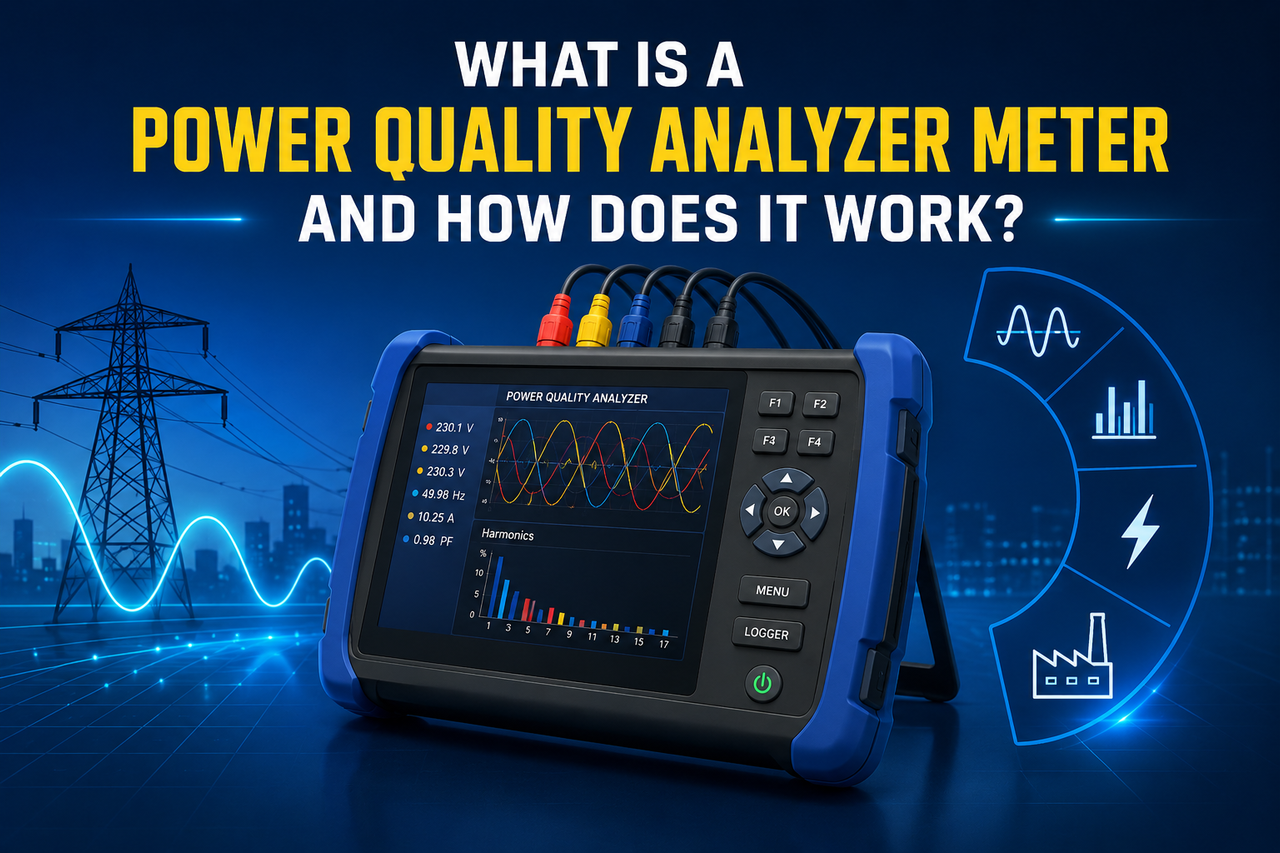
Modern electrical systems demand reliability. Even small power disturbances can affect sensitive equipment and lead to costly downtime. That is why many engineers and facility managers rely on a power quality analyzer meter to understand what is happening inside their electrical networks.
This advanced device helps identify power issues before they become major problems. From manufacturing plants to commercial buildings, power quality analysis plays a key role in maintaining system performance.
What Is a Power Quality Analyzer Meter?
A power quality analyzer meter is a specialized instrument used to measure, record, and analyze electrical parameters. It helps users identify problems such as voltage sags, harmonics, transients, flicker, and power interruptions.
Unlike standard meters, these power quality measuring instruments provide detailed information about the health of an electrical system. They help engineers troubleshoot problems, improve energy efficiency, and protect valuable equipment.
How Does a Power Quality Analyzer Meter Work?
A power quality analyzer connects to voltage leads and current probes installed on the electrical system. It continuously measures various parameters and records data over time.
Typical measurements include:
- Voltage
- Current
- Frequency
- Power factor
- Harmonics
- Energy consumption
- Voltage dips and swells
- Transients
Many models also function as an electrical data logger, allowing users to capture data for hours, days, or even weeks. This recorded information helps identify recurring issues that are difficult to detect during routine inspections.
Why Is Power Quality Monitoring Important?
Poor power quality can cause several problems, including:
- Unexpected equipment failures
- Reduced energy efficiency
- Overheating of motors and transformers
- Production downtime
- Increased maintenance costs
- Shortened equipment lifespan
Using reliable power monitoring equipment allows facilities to detect these problems early and take corrective action before they impact operations.
Common Types of Power Quality Analyzer Meters
Different applications require different monitoring solutions.
Single-Phase Power Analyzers
A single phase power analyser is commonly used for residential, laboratory, and small commercial applications. It measures voltage, current, power, and energy consumption in single-phase systems.
Three-Phase Power Quality Meters
Industrial facilities often use a 3 phase power quality meter to monitor large machinery and complex electrical systems. These devices provide comprehensive analysis across all three phases and help maintain stable power conditions.
What Problems Can a Power Quality Analyzer Detect?
A power quality analyzer can identify several hidden electrical issues, including:
Harmonics
Nonlinear loads can create harmonics that damage equipment and reduce efficiency.
Voltage Sags and Swells
Short-term voltage changes can interrupt operations and affect sensitive electronics.
Power Factor Problems
Poor power factor increases energy losses and utility costs.
Transients
Sudden spikes in voltage may damage electrical equipment. In solar installations, devices such as a solar panel surge protector help reduce the impact of these events.
Unbalanced Loads
Uneven loads in three-phase systems can lead to overheating and reduced performance.
Additional Tools That Support Electrical Diagnostics
Power quality analysis often involves more than one device. Professionals frequently use complementary instruments to gain a complete picture of system performance.
Direct Current Clamp Meter
A direct current clamp meter provides non-intrusive current measurements, making it useful for troubleshooting batteries, DC circuits, and renewable energy systems.
Thermal Imaging Inspection Camera
A thermal imaging inspection camera helps identify hot spots, overloaded circuits, and loose connections before failures occur. Thermal inspections combined with power quality analysis improve preventive maintenance programs.
How Electrical Data Logging Improves Troubleshooting
Intermittent electrical problems are difficult to diagnose. Built-in electrical data logger functions allow users to monitor systems continuously and collect detailed records.
This data can reveal:
- Recurring voltage dips
- Harmonic distortion patterns
- Power interruptions
- Peak demand periods
- Load variations
Long-term monitoring helps engineers make informed decisions and prevent unexpected failures.
Where Can You Find Professional Power Quality Solutions?
Choosing reliable instruments is important for accurate analysis and long-term performance. Professionals often prefer purchasing from a trusted electrical supplies store or an established industrial electrical store that offers quality products and technical support.
CHKSHOP provides a wide range of power quality measuring instruments, analyzers, and diagnostic tools designed for industrial, commercial, and energy applications. Whether you need advanced monitoring solutions or specialized test equipment, CHKSHOP offers dependable products that help maintain safe and efficient electrical systems.
Final Thoughts
A power quality analyzer meter is an essential tool for understanding and improving electrical system performance. By measuring voltage, current, harmonics, and other key parameters, it helps prevent downtime, reduce maintenance costs, and protect critical equipment.
Combined with supporting tools such as a thermal imaging inspection camera, direct current clamp meter, and other power monitoring equipment, these instruments enable engineers to maintain reliable and efficient operations.
FAQs
What does a power quality analyzer meter measure?
It measures voltage, current, frequency, harmonics, power factor, energy consumption, and other electrical parameters.
Why is power quality monitoring important?
It helps prevent equipment damage, improve energy efficiency, and reduce unexpected downtime.
What is the difference between a single-phase and a three-phase analyzer?
A single-phase analyzer is designed for smaller systems, while a three-phase analyzer supports industrial and commercial applications.
Can a power quality analyzer record data over time?
Yes. Many models include an electrical data logger function for long-term monitoring and analysis.
What tools are commonly used alongside power quality analyzers?
Engineers often use thermal imaging cameras, clamp meters, and other power monitoring equipment for comprehensive electrical diagnostics.
