What Is a Hybrid Solar System and Why Is It So Popular in Bangladesh?
Author : Grameen Solar | Published On : 14 Jun 2026
Bangladesh, a nation experiencing rapid development, often grapples with the challenge of an inconsistent power supply. In this context, hybrid solar systems are emerging as a highly popular and practical solution, offering both energy independence and significant cost savings. But what exactly is a hybrid solar system, and why has it captured the attention of so many in Bangladesh?
Understanding the Hybrid Solar System
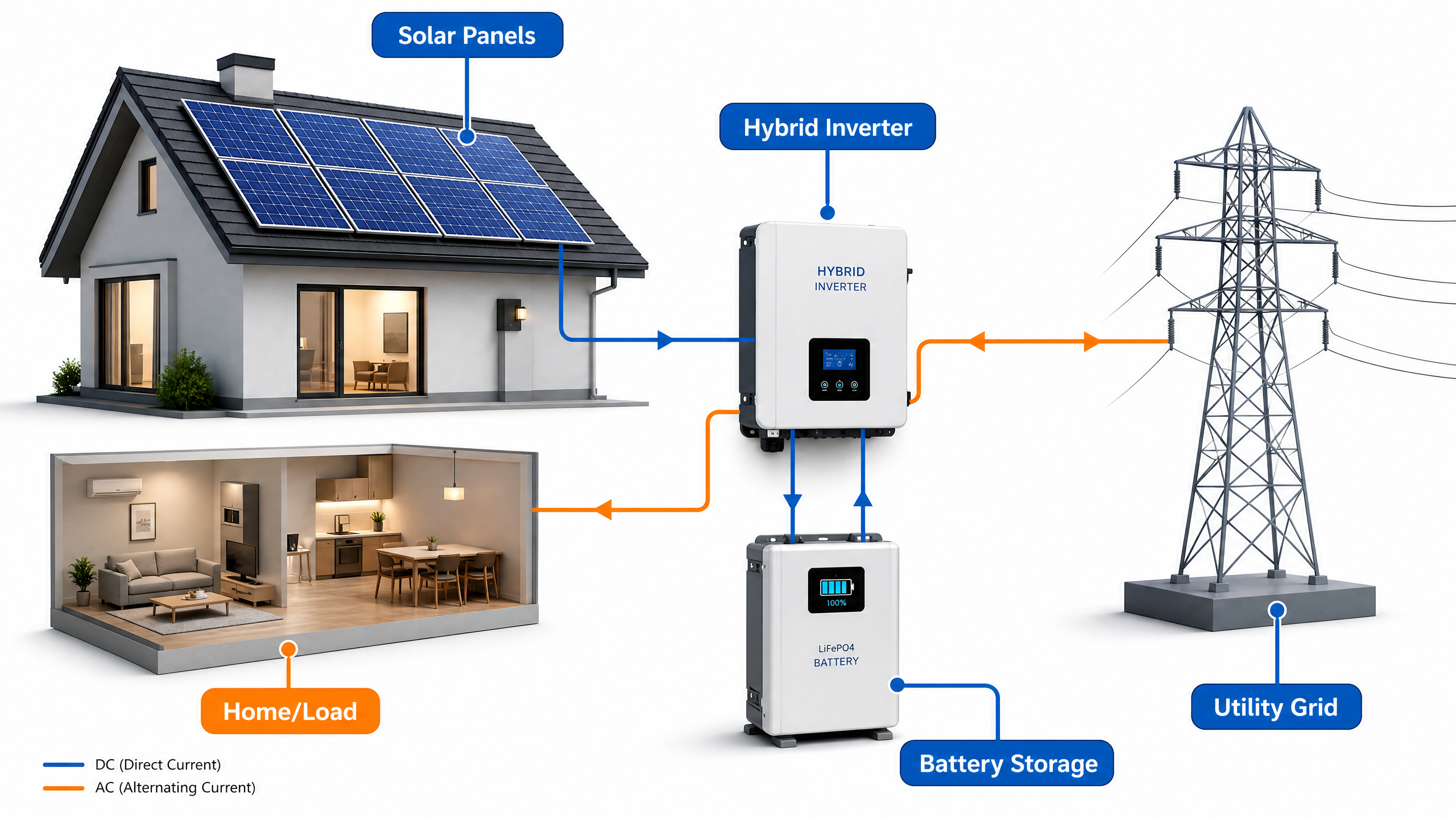
A hybrid solar system combines the best features of both on-grid (grid-tied) and off-grid solar setups. Unlike traditional on-grid systems that feed excess electricity directly back to the utility grid without storage, or off-grid systems that rely solely on batteries, a hybrid system integrates solar panels, a hybrid inverter, and battery storage, while remaining connected to the national electricity grid .
This innovative configuration allows for intelligent management of power flow. During daylight hours, solar panels generate electricity. This power is first used to supply the immediate needs of the home or business. Any surplus energy then charges the battery bank. Once the batteries are full, excess electricity can be exported to the grid, potentially earning credits under net metering policies in Bangladesh .
During periods of low solar generation (e.g., at night or on cloudy days) or during power outages (load shedding), the system automatically draws power from the batteries. If battery storage is depleted, or if the demand is very high, the system can seamlessly switch to drawing electricity from the utility grid. This automatic transition ensures an uninterrupted power supply, a critical advantage in regions with unreliable grids.
Why Hybrid Solar Systems are Gaining Popularity in Bangladesh
The popularity of hybrid solar systems in Bangladesh can be attributed to several key factors, directly addressing the country's unique energy landscape:
1. Solution to Load Shedding and Power Outages
Frequent power outages, commonly known as load shedding, are a significant challenge for households and businesses across Bangladesh. Hybrid solar systems provide a robust solution by offering reliable battery backup. When the grid fails, the system automatically switches to battery power, ensuring essential appliances and operations continue uninterrupted. This makes solar with battery backup in BD an invaluable asset for maintaining productivity and comfort .
2. Energy Independence and Cost Savings
By maximizing self-consumption of solar energy and storing excess for later use, hybrid systems reduce reliance on grid electricity. This translates into lower electricity bills and greater energy independence. For many, investing in a hybrid solar system price in Bangladesh is seen as a long-term financial benefit, hedging against rising electricity tariffs.
3. Environmental Benefits
As Bangladesh strives for sustainable development, hybrid solar systems offer a clean energy alternative, significantly reducing carbon emissions. This aligns with national and global efforts to combat climate change and promote renewable energy sources.
4. Net Metering Opportunities
Bangladesh has implemented net metering guidelines, allowing consumers to export surplus solar electricity to the national grid and receive credits on their bills . Hybrid systems are well-suited to leverage this policy, as they can store energy for self-consumption first and then export any remaining excess, optimizing energy usage and financial returns.
5. Versatility for Various Applications
From homes and offices to factories and clinics, hybrid solar systems are versatile. They are particularly beneficial for operations where sudden power interruptions can cause significant losses or disruptions, such as in manufacturing units or healthcare facilities .
Key Components of a Hybrid Solar System
Understanding the core components helps appreciate the system's functionality:
•Solar Panels: Convert sunlight into direct current (DC) electricity.
•Hybrid Inverter: The
brain of the system, managing power flow between solar panels, batteries, the grid, and the load. It converts DC electricity from panels and batteries into alternating current (AC) for household use.
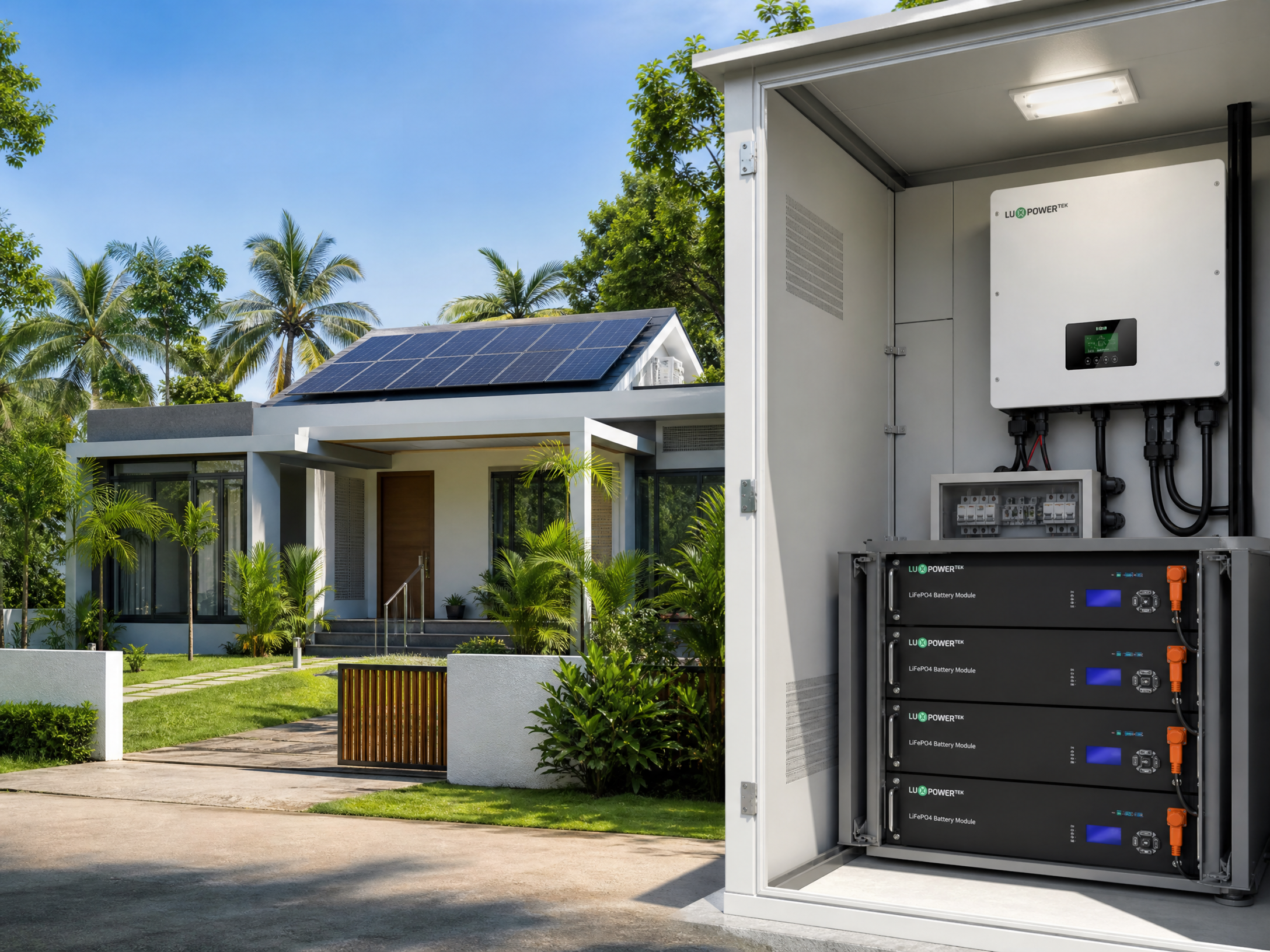
•Battery Storage: Stores excess solar energy for use during outages or when solar generation is low. The capacity is crucial and is determined by backup needs and outage frequency.
•Grid Connection: Maintains a link to the utility grid, providing a backup power source and allowing for net metering.
Considerations for Adopting Hybrid Solar in Bangladesh
While the benefits are clear, potential adopters in Bangladesh should consider a few factors:
•Initial Investment: The hybrid solar system price in Bangladesh can be higher than on-grid systems due to the inclusion of batteries and a more sophisticated inverter. However, long-term savings and energy security often outweigh this initial cost.
•System Design: Proper system sizing and design are paramount. Factors like daily energy consumption, backup duration requirements, and local solar irradiance must be carefully assessed to ensure optimal performance and return on investment.
•Maintenance: Hybrid systems, especially those with batteries, require regular maintenance to ensure longevity and efficiency. Choosing a reputable provider that offers comprehensive after-sales support and maintenance packages is essential.
The Future of Solar in Bangladesh
Bangladesh is increasingly embracing renewable energy, with solar power at the forefront. The government's initiatives, coupled with growing public awareness and technological advancements, are paving the way for wider adoption of solar solutions. Hybrid solar systems, with their ability to provide stable and sustainable power, are poised to play a crucial role in Bangladesh's energy future, contributing to both economic growth and environmental sustainability.
Conclusion
Hybrid solar systems offer a compelling solution to Bangladesh's energy challenges, providing a reliable, cost-effective, and environmentally friendly power source. Their ability to ensure uninterrupted electricity supply, reduce utility bills, and contribute to a greener future makes them an increasingly popular choice for homes and businesses across the nation. As the country continues its journey towards energy independence, hybrid solar systems stand out as a smart investment for a brighter, more sustainable tomorrow.
