What Is a Fused Spur? A Simple Guide to How It Works
Author : mark benz | Published On : 02 Oct 2026
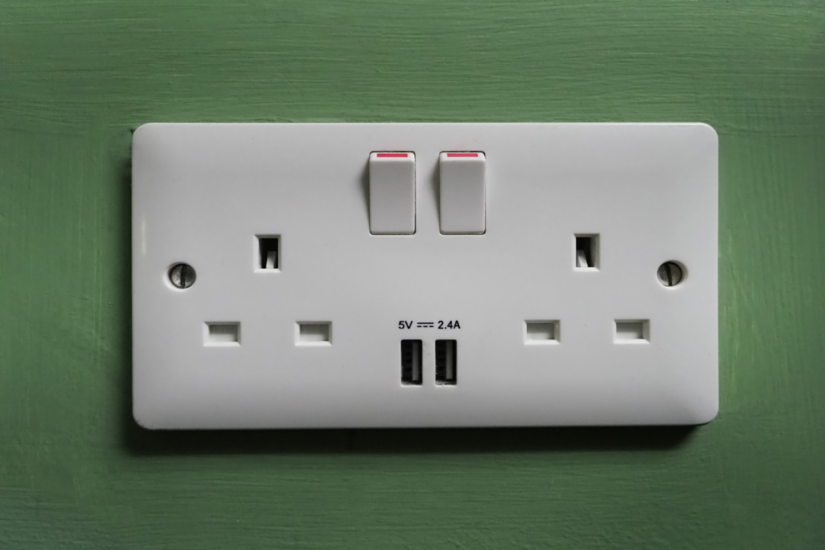
A fused spur is an electrical connection unit that supplies power to a fixed appliance or another electrical circuit while protecting it with a fuse. It is commonly used in UK electrical installations for appliances such as boilers, extractor fans, heaters, and washing machines.
Unlike a standard socket, a fused spur usually connects directly to the fixed wiring and includes a replaceable fuse that limits the current supplied to the connected equipment.
What does a fused spur do?
A fused spur has two main jobs: supplying electrical power and providing protection against excessive current.
The fuse inside the unit is designed to break the circuit if the current becomes too high. This helps protect the cable and connected appliance from damage caused by an overload or fault.
A typical fused spur contains:
-
A switch, depending on the type
-
A fuse carrier
-
A fuse, commonly rated at 3A, 5A, or 13A
-
Terminals for connecting the incoming and outgoing cables
-
A faceplate fitted to a wall or electrical back box
Some models are switched, while others are unswitched. There are also fused spurs with indicator lights that show whether the unit is supplying power.
Where are fused spurs commonly used?
Fused connection units are generally used when a fixed appliance needs its own electrical supply rather than being plugged directly into a standard socket.
Common examples include:
-
Central heating boilers
-
Extractor fans
-
Cooker hoods
-
Bathroom fans
-
Electric heaters
-
Immersion heaters
-
Security systems
-
Lighting equipment
-
Washing machines and other fixed appliances
-
Outdoor electrical equipment
The appropriate arrangement depends on the appliance, installation design, manufacturer instructions, and applicable electrical regulations.
What is the difference between a fused spur and a socket?
The main difference is how they are intended to supply electrical equipment.
| Feature | Fused Spur | Standard Socket |
|---|---|---|
| Typical use | Fixed appliances | Plug-in appliances |
| Built-in fuse | Yes | Usually no individual appliance fuse |
| Plug required | No | Yes |
| Can be switched | Often | Usually |
| Common rating | Up to 13A fuse | Typically 13A socket circuit |
| Typical installation | Permanently connected equipment | Portable or plug-in equipment |
A fused spur is particularly useful when you want an appliance to have a dedicated, permanent connection without leaving a plug and cable accessible.
How does a fused spur work?
The incoming electrical supply is connected to the fused spur, and the outgoing cable supplies the appliance or downstream circuit.
The fuse acts as a protective link in the circuit. If the current exceeds the fuse's designed rating for long enough, the fuse element melts and disconnects the supply.
For example, a 3A fuse is commonly used for lower-power appliances such as boilers or fans where a larger fuse is unnecessary. A 13A fuse may be appropriate for equipment that requires more current, provided the installation and appliance specifications allow it.
The fuse rating should never simply be increased because a fuse keeps blowing. Repeatedly blowing fuses can indicate an electrical fault or an unsuitable installation.
What is a switched fused spur?
A switched fused spur combines a fuse with an on/off switch.
This allows you to isolate the connected appliance locally without unplugging it. For example, a boiler may have a switched fused spur nearby so the electrical supply can be turned off when the appliance needs servicing.
A switched unit can therefore provide both:
-
Overcurrent protection through the fuse.
-
Local isolation through the switch.
An unswitched fused spur provides the fused connection but does not have an integrated on/off switch.
What fuse size does a fused spur need?
The correct fuse depends on the appliance and the design of the electrical circuit.
Common fuse ratings include:
-
3A – often used for lower-power equipment such as boilers, fans, and control systems.
-
5A – used for some equipment with a higher current requirement.
-
13A – used where the appliance requires a higher permitted current and the installation is designed for it.
You should follow the appliance manufacturer's instructions rather than choosing a fuse based solely on the appliance's physical size or power rating.
For a fixed installation, an electrician can determine the appropriate protective device, cable size, circuit arrangement, and fuse rating.
Can a fused spur be used for any appliance?
No. A fused spur is not automatically suitable for every electrical appliance.
Before installing one, consider:
-
The appliance's power requirements
-
Manufacturer installation instructions
-
Cable size and circuit capacity
-
Whether the circuit is suitable for the intended load
-
The required method of isolation
-
The location and environmental conditions
-
Applicable electrical regulations
High-power appliances such as electric showers, large cookers, and some heating equipment generally require appropriately designed dedicated circuits and should not simply be connected through a standard fused spur.
Can you install a fused spur yourself?
Electrical work should be approached carefully because incorrect wiring can cause electric shock, fire, equipment damage, or other hazards.
Whether a particular installation is legally permitted as DIY work depends on the country and the type and location of the electrical work. In the UK, electrical installations must comply with applicable requirements, including BS 7671 where relevant.
If you're unsure about an existing fused spur, its wiring, or the correct fuse rating, have the installation checked by a suitably qualified electrician rather than experimenting with the connections yourself.
How much does it cost to install a fused spur?
The price varies considerably depending on the location, accessibility, existing wiring, and whether a new circuit or cable run is required.
A straightforward replacement or installation where suitable wiring already exists may cost relatively little, while installing a new supply can cost substantially more.
Typical factors affecting the price include:
-
Electrician's labour rate
-
Type and quality of fused spur
-
Cable length
-
Access to existing wiring
-
Whether additional protection is required
-
Testing and certification
-
Whether a new circuit is necessary
For an accurate price, an electrician normally needs to inspect the existing installation and determine the work required.
What should you check if a fused spur keeps blowing?
If the fuse repeatedly blows, don't keep replacing it with a higher-rated fuse. Instead, consider it a warning that something may be wrong.
Use this simple checklist:
-
Turn off the affected appliance if it is safe to do so.
-
Check whether the appliance shows obvious signs of damage.
-
Do not fit a fuse with a higher rating than specified.
-
Check the appliance manufacturer's instructions.
-
Arrange an electrical inspection if the problem continues.
-
Get urgent professional help if you notice burning smells, smoke, scorching, sparks, or overheating.
A blown fuse can be caused by an appliance fault, wiring problem, overload, or another electrical issue, so the underlying cause should be identified.
Frequently Asked Questions
Is a fused spur the same as a fuse box?
No. A fused spur is a local connection unit that protects a particular appliance or circuit with a fuse. A fuse box or consumer unit provides protection and control for multiple electrical circuits.
Does every fused spur have a switch?
No. Fused spurs are available as both switched and unswitched versions.
What is the most common fused spur fuse rating?
The appropriate rating depends on the connected appliance. 3A and 13A fuses are commonly encountered, but the manufacturer's specified rating should always be followed.
Can a fused spur be used for a washing machine?
It can be used in some installations, but the correct arrangement depends on the appliance, circuit design, manufacturer's instructions, and applicable electrical requirements.
Why does my fused spur keep blowing?
A repeatedly blown fuse can indicate an appliance fault, overload, wiring problem, or incorrect fuse rating. The cause should be investigated rather than simply fitting a larger fuse.
Read Also Our More Article: Fused Spur: What It Is, Where It’s Used, And Common Wiring Misunderstandings
