What Happens When a Translation Is Rejected by ICA or MOM?
Author : Letter crafts | Published On : 13 Apr 2026
What to Do If Your Translation Is Rejected by ICA or MOM
Submitting translated documents is a crucial part of many immigration and employment applications in Singapore. This is why choosing reliable Translation services in Singapore is so important from the beginning. Even a small mistake in formatting or certification can lead to your documents being rejected by the Immigration & Checkpoints Authority or the Ministry of Manpower.
If this happens, it can feel stressful—but the good news is that it’s usually a temporary issue that can be resolved.
Does a Rejected Translation Mean Your Application Is Denied?
Not at all.
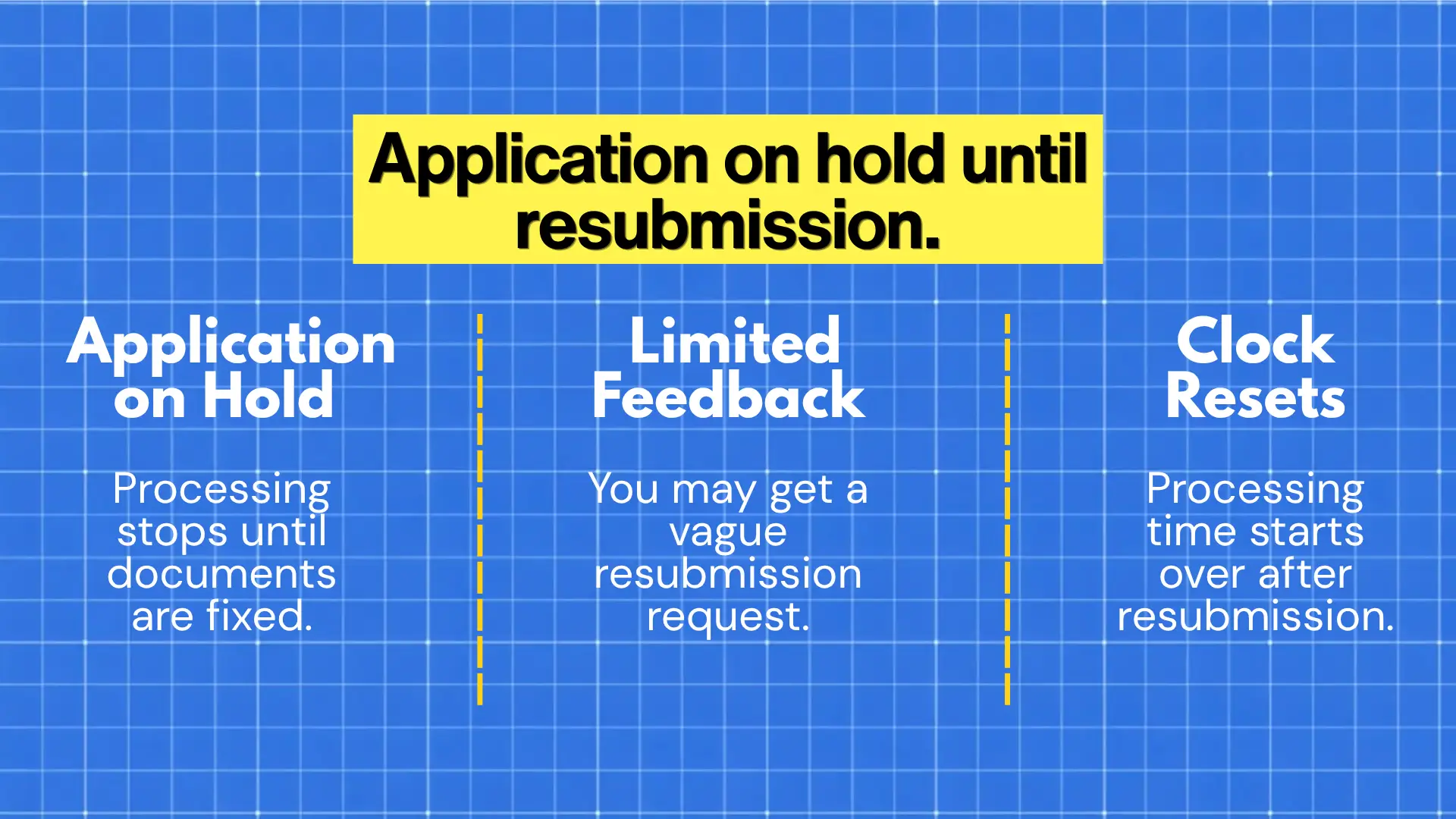
A translation rejection simply means that one of your documents does not meet the required standards. Your application is not rejected—it is put on hold until the issue is corrected.
Once you fix the problem and resubmit the document, your application can continue processing as normal.
Why ICA and MOM Requirements Are Different
One of the most common reasons for rejection is misunderstanding the difference between ICA and MOM requirements.
ICA deals with long-term immigration matters such as:
- Permanent Residency
- Citizenship
- Long-Term Visit Pass
Because of this, ICA has stricter requirements. Translations often need to be:
- Certified
- Notarized
- Authenticated when necessary
MOM, which handles employment passes, has slightly different requirements:
- Certified translations
- Proper file formatting
- Education verification for certain applications
Using the wrong type of translation for the wrong authority can easily lead to rejection.
Common Reasons Why Translations Get Rejected
Most translation rejections are not caused by language errors but by compliance issues.
Here are the most common reasons:
Missing Certificate of Accuracy
Every translation must include a signed declaration confirming its accuracy.
Incorrect Notarization
Failing to notarize documents when required—especially for ICA—leads to rejection.
Name Mismatch
Your name must match your passport exactly, including spelling and format.
Incomplete Translation
All elements, including stamps, seals, and notes, must be translated or described.
Poor File Quality
Blurry or incorrectly formatted files often fail submission checks.
Self-Translation
Authorities do not accept translations done by applicants.
Missing Pages
Incomplete documents are automatically rejected.
Outdated Translations
Old translations may not meet current requirements.
Laminated Documents
Laminated originals may not be accepted for verification.
Wrong Submission Method
Using a method not recognized by ICA or MOM results in rejection.
What Happens After a Translation Is Rejected?
When your translation is rejected, the following usually happens:
- Your application is paused
- You may receive limited feedback
- Your processing timeline may be delayed
This is why it’s important to act quickly and correct the issue as soon as possible.
Impact on ICA Applications
For ICA applications, the consequences can be more serious due to strict compliance requirements.
- Your application is put on hold
- You must submit corrected documents within a deadline
- Failure to respond may lead to application closure
In some cases, you may need to reapply and pay the application fee again.
Impact on MOM Applications
For MOM applications, especially Employment Pass:
- You will need to resubmit corrected documents
- Processing time may restart
- Education verification is mandatory
If your documents fail verification, your application could be rejected or your work pass revoked.
How to Fix a Rejected Translation
Here’s a simple step-by-step process to resolve the issue:
Step 1: Identify the Problem
Review the rejection notice carefully.
Step 2: Contact Your Translation Provider
Professional services can quickly correct errors.
Step 3: Redo Notarization if Needed
Any changes may require fresh notarization.
Step 4: Check Requirements
Ensure your documents meet ICA or MOM standards.
Step 5: Prepare Files Properly
Use clear, high-quality scans and correct formatting.
Step 6: Double-Check Everything
Verify names, pages, and all details.
Step 7: Resubmit Quickly
Submit corrected documents without delay.
When Should You Appeal?
Appeals are usually necessary only if your entire application is rejected.
To file an appeal, you should include:
- Corrected documents
- Supporting information
- A clear explanation of the issue
If the rejection was due to a translation issue, your chances of success are generally higher.
How to Avoid Translation Rejection
Prevention is always better than correction. Here are some tips:
- Use trusted Translation services in Singapore
- Ensure documents are complete and accurate
- Match names exactly with official records
- Include a Certificate of Accuracy
- Follow proper authentication procedures
- Submit clear and properly formatted files
Final Thoughts
A translation rejection by ICA or MOM can be frustrating, but it is rarely a major problem. In most cases, your application is simply paused until you correct a document issue.
By understanding the requirements, acting quickly, and working with professional Translation services in Singapore, you can resolve the issue and keep your application moving forward smoothly.
