What Happens to Scrap Metal After You Sell It? From Weighing and Sorting to Recycling and New Produc
Author : max morgan | Published On : 17 Sep 2026
Metal cannot simply be sold and discarded; it needs to be recycled. Copper, aluminium, brass and steel, once they leave your site, can pass through multiple steps until they become raw materials once more. So, what happens to your scrap metal after you sell it? To understand the scrap metal recycling process, it is important to understand weighing, sorting and grading. Loads are weighed and evaluated, and ferrous and non-ferrous metals are separated by type and condition at Ezi Metal Recycling Melbourne.
An Illustrative Melbourne Example
A Melbourne fit-out project has been carried out by a local renovation company that has leftover cable, insulated wire, steel sections, aluminium frames and copper off-cuts.
Qambar arranges a load collection. The load is weighed and evaluated. Other metal materials are separated from the copper: aluminium is sent along the appropriate recycling stream, while steel is separated as ferrous material. The cable undergoes treatment to enable the extraction of recoverable metal from its insulation.
Instead of being treated as one mixed load, each material goes down a different path toward recycling. While the client receives value for the materials assessed, the recovered metal proceeds to further processing and production.
1. The Scrap Metal Is Collected and Weighed
The process starts with the arrival of the scrap at a recycling yard or its collection directly from your site. The load is weighed so that its quantity can be determined before payment. Ezi Metal Recycling states that collected loads can be loaded on-site and assessed according to their value.
The final value won’t necessarily be determined by weight alone. A load doesn’t consist of just one material when it contains copper, aluminium and steel. Weight provides information about quantity, while inspection and grading provide information about quality.
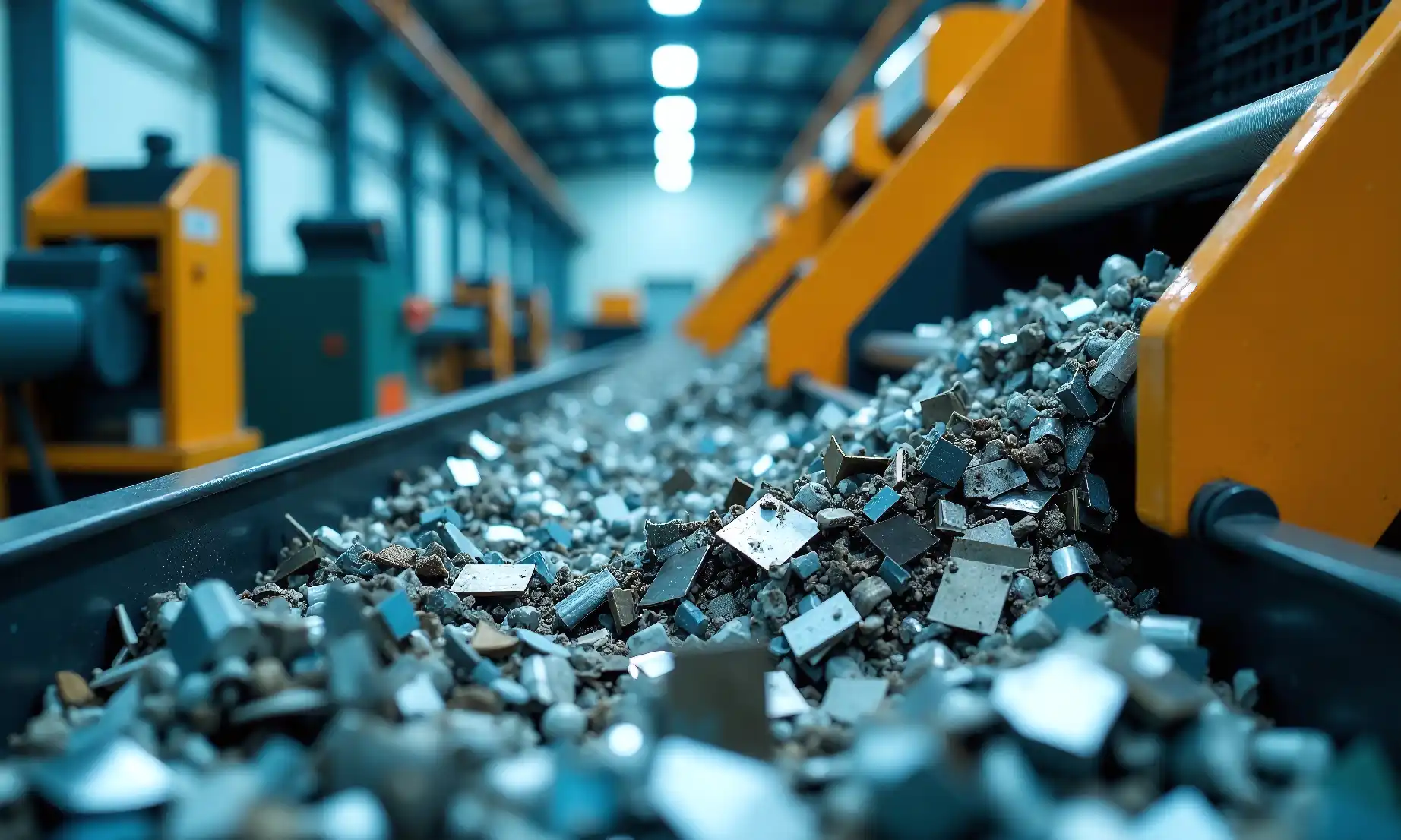
Scrap metal is collected, weighed, inspected and sorted by metal type and condition before further processing.
2. The Load Is Inspected, Sorted and Graded
Sorting is a crucial step. Ferrous metals like steel are separated from non-ferrous metals like copper, aluminium and brass. Materials can then be refined by type, grade, purity, condition or level of contamination.
Preparation can make a difference. Where possible, Ezi Metal suggests that copper be divided into grades and non-metal attachments be removed. Clean copper, insulated cable and other copper-bearing materials have different values and processing requirements.
Sorting is more than just tidying up when selling. It helps to direct each material into the correct recycling stream and makes the assessment process more transparent.
3. How Scrap Metal Is Recycled
Once sorting is done, the “scrap” is ready for further processing. Processing can include cutting, shredding, separating and screening. Unwanted materials may be screened out during this stage.
For instance, insulated wire can be processed to extract pure copper or aluminium. PVC and other unwanted materials are removed, allowing the recovered metal to move to the next stage of recycling.
The goal is to convert the reprocessed or commingled material into a cleaner feedstock of metal that can be reprocessed for reuse.
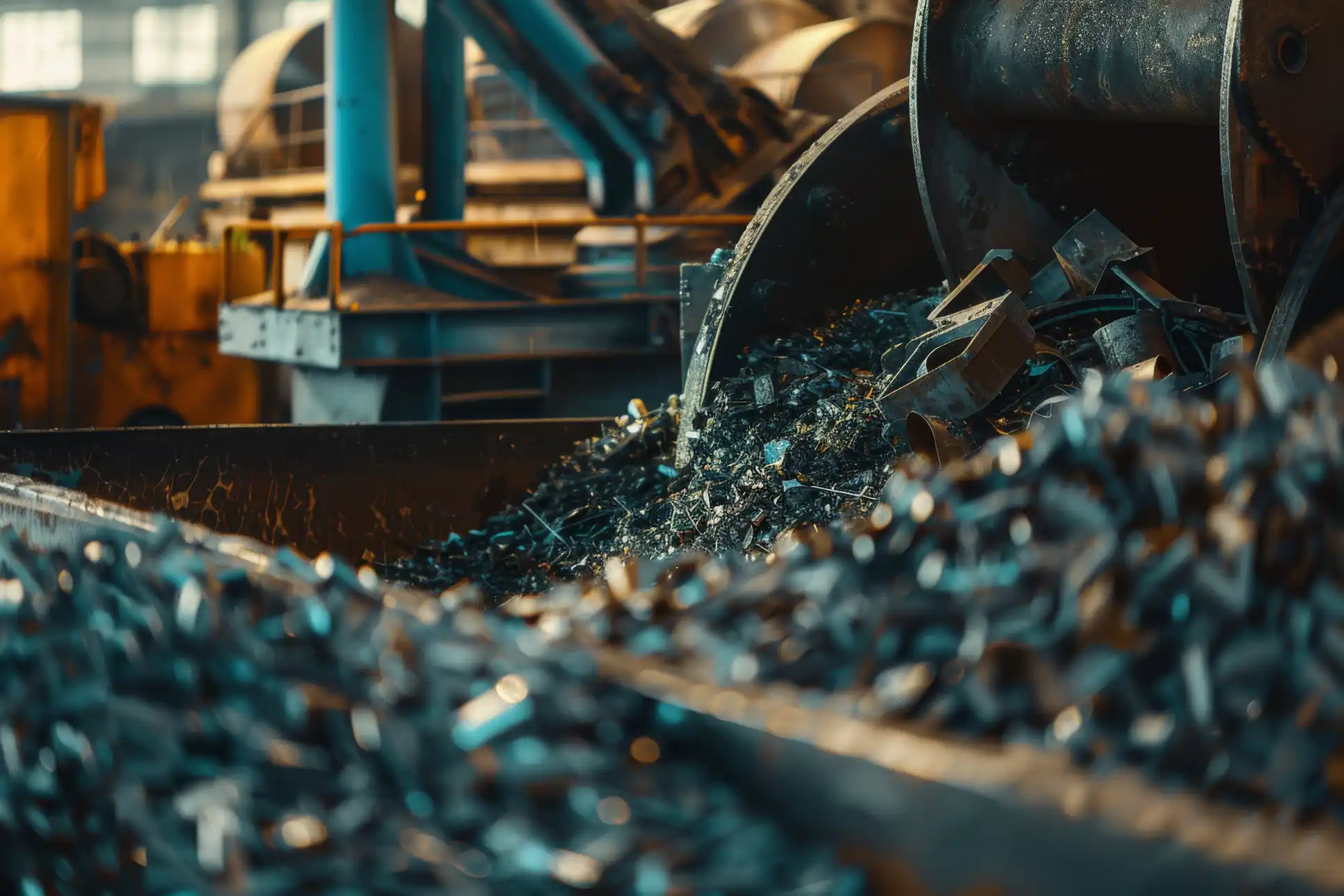
After sorting, scrap metal is processed to recover usable materials that can return to recycling and manufacturing streams.
4. Metals Move Into Recycling and Manufacturing
Recovered metals flow into downstream recycling operations. The route will vary according to the metal and processor, but the aim is to move recovered materials into manufacturing where they can be put to good use. All types of steel, aluminium, copper and brass can be recycled into their respective manufacturing streams. Recycled metal is treated as a secondary raw material rather than waste.
5. What Happens to Copper Scrap After You Sell It?
Copper is an excellent example of a metal with versatile recycling applications. Copper is separated into grades before it is fed into the correct recycling stream in Melbourne.
Ezi Metal provides copper recycling services and categorizes copper into grades including bare bright wire, insulated copper wire and copper tubing. Removing steel, fittings, insulation and other extraneous materials makes the copper load easier to evaluate.
Once recovered, copper can be used again to manufacture brand-new products.
Why Does Sorting Matter?
Sorting directly impacts the efficiency of load assessment and processing. Additional handling is required if the material is mixed or contaminated, whereas clean, identifiable material is easily classified.
Useful preparation steps include:
- Keep different metals separated where practical.
- Remove obvious non-metal attachments safely.
- Keep copper grades separate where possible.
- Confirm accepted materials and minimum quantities before collection.
Safety first: Avoid taking apart hazardous machinery or using unsafe methods to prepare a scrap load!
Why Scrap Metal Recycling Matters in Melbourne
Melbourne businesses and construction sites produce significant volumes of scrap metal. Recycling programs offer a way for recoverable materials to be put back into productive use rather than entering the general waste stream.
Ezi Metal deals with ferrous and non-ferrous metals (Copper, Brass, Aluminium) and handles bulk jobs across Melbourne, specializing in compliant handling, sorting and weighing services.
For commercial businesses, efficient scrap management provides financial value for unwanted materials while clearing valuable spatial area on job sites.
Frequently Asked Questions
How is scrap metal recycled?
Collected scrap is weighed, examined, sorted and graded before undergoing processing to recover usable material. Different materials may be untangled, sliced, shredded and separated depending on the metal type before entering the manufacturing supply chain.
What happens to scrap metal after you sell it?
Generally, it is weighed and evaluated first, then sorted by metal type and grade. The separated metal is sent to downstream processors and manufacturers for reprocessing.
Does sorting scrap metal increase its value?
Yes, it helps determine the exact material value and avoids the lower pricing typically associated with mixed or contaminated loads. The final value depends on metal type, grade, condition and current market rates.
How is copper scrap metal recycled in Melbourne?
Copper scrap is sorted, separated from unwanted attachments or insulation, and processed so clean copper can enter standard manufacturing streams.
Final Takeaway
The recycling process doesn’t stop once you’ve been paid. Weighing determines quantity, sorting identifies materials, grading establishes value, and processing prepares metals for recovery so copper, aluminium, steel and brass can be reused.
When you have materials that need to be hauled away, understanding what happens post-pickup helps you make better recycling decisions and prepare loads effectively. Ezi Metal Recycling offers collection, weighing and sorting services throughout Melbourne to help streamline scrap recovery.
Call us now for Commercial and Industrial Services!
Call us on 0431 733 102 to arrange a pick-up today. Feel free to reach out to our specialists online to get an upfront quote for your scraps or share your feedback on our services.
