What Happens During a Liposuction Procedure? A Step-by-Step Guide
Author : Health care | Published On : 10 Aug 2026
Liposuction is a surgical procedure designed to remove localized pockets of fat and improve body contours. For people researching Liposuction in Dubai, understanding what actually happens inside the operating room can make the process feel much less unfamiliar. From anesthesia and skin marking to the insertion of a cannula and removal of fat, the procedure follows several carefully controlled steps.
What Happens Before Liposuction Begins?
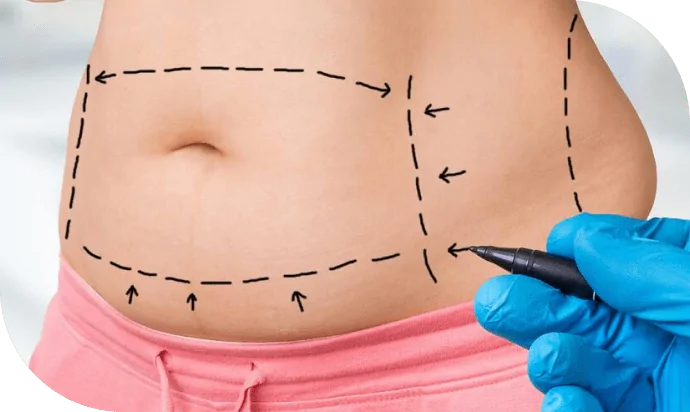
Before the actual fat-removal process starts, the surgical team prepares the patient and treatment area. The surgeon typically reviews the planned areas, confirms the treatment goals, and marks the body to guide fat removal and maintain balanced contours.
The type of anesthesia depends on factors such as the treatment area, the extent of the procedure, and the surgeon's approach. Options can include local anesthesia, intravenous sedation, or general anesthesia.
Once anesthesia has taken effect, the treatment area is cleaned and prepared. Maintaining a sterile surgical environment is important because liposuction involves small openings in the skin and instruments entering the fatty tissue.
The surgeon may also inject a specially prepared solution into the targeted fat layer. This is commonly called a tumescent or wetting solution and may contain saline, a local anesthetic, and medication that helps reduce bleeding and bruising.
How Is the Fat Prepared for Removal?
After the treatment area has been anesthetized, the surgeon makes small incisions in inconspicuous locations. These openings provide access for a thin, hollow surgical instrument called a cannula.
The cannula is moved through the fatty layer using controlled movements. Depending on the technique selected, mechanical vibration, ultrasound, laser energy, or traditional manual movement may be used to help loosen the fat before it is suctioned away.
The purpose is not simply to remove as much fat as possible. Instead, the surgeon works within the targeted area to create a smoother and more proportionate body contour.
This controlled approach is particularly important because uneven fat removal can contribute to contour irregularities. The exact technique therefore varies according to the body area being treated and the patient's individual anatomy.
How Does the Cannula Remove Fat?
The cannula is connected to a surgical vacuum or, in some techniques, a syringe. As the surgeon moves the cannula through the fatty tissue, loosened fat is drawn through the hollow tube and collected outside the body.
The surgeon generally makes several controlled passes through the treatment area rather than concentrating on one small point. This allows the fat to be removed progressively and helps create a more even contour.
During the procedure, the surgical team monitors the patient and manages fluids, anesthesia, and other aspects of care. The duration varies according to the number and size of areas being treated; NHS guidance notes that liposuction commonly takes around one to three hours.
The amount of fat removed is also determined by the treatment plan and safety considerations. Liposuction is primarily intended for localized fat reduction and body contouring rather than general weight loss.
Common steps during the fat-removal stage include:
- Creating small access incisions
- Infiltrating the treatment area with an appropriate solution
- Inserting the cannula into the fatty layer
- Loosening and suctioning targeted fat
- Checking the contour throughout the procedure
- Managing excess fluid and blood
- Closing or dressing the small incision sites
What Happens After the Fat Has Been Removed?
Once the surgeon has completed the planned fat removal, the treated areas are assessed for overall contour and symmetry. Excess fluid may be allowed to drain, and the small openings are managed according to the surgical technique being used.
Dressings or compression garments may then be applied. Compression garments are commonly used after liposuction to help manage swelling and bruising during the early recovery period.
The patient is subsequently moved to a recovery area where the healthcare team monitors them as the effects of anesthesia wear off. If general anesthesia has been used, temporary grogginess, nausea, or tiredness can occur as part of the normal post-anesthetic period.
Whether someone goes home the same day or stays overnight depends on factors such as the extent of surgery, anesthesia, overall health, and the facility's protocols. ASPS notes that liposuction is often performed as an outpatient procedure, while NHS guidance states that some patients may require an overnight stay.
What Does the Body Feel Like Immediately After Liposuction?
Although the actual fat removal takes place during surgery, the visible outcome does not appear immediately. Swelling, bruising, fluid retention, and temporary numbness can make the treated area look different during the early healing period.
Patients may experience soreness or discomfort once the anesthesia wears off. Pain medication and other postoperative instructions may be provided according to individual needs.
Gentle movement is generally encouraged after surgery when the medical team considers it safe, while strenuous activity should be avoided until the surgeon gives clearance. NHS guidance notes that recovery varies, with gentle exercise potentially beginning around three to four weeks and more strenuous activity taking longer.
It is also important to understand that the final contour develops gradually. Swelling can take weeks or months to fully settle, and NHS guidance notes that the treated area may take up to six months to completely settle.
Is Liposuction a Safe Procedure?
Liposuction is a surgical procedure, so it carries potential risks even when performed appropriately. Possible complications include infection, bleeding, blood clots, persistent numbness, contour irregularities, fluid-related complications, and, rarely, injury to internal organs.
The level of risk can vary depending on the patient's health, the amount of fat being removed, the number of areas treated, anesthesia, and the surgical setting. For this reason, choosing a properly qualified surgeon and an appropriate accredited facility is an important part of the decision-making process.
Before undergoing Liposuction in Dubai, patients should have an individual consultation rather than relying solely on general information. A qualified medical professional can explain the planned technique, anesthesia, expected recovery, potential complications, and whether the procedure is appropriate for the person's goals.
It is also worth remembering that liposuction does not replace a healthy lifestyle or function as a treatment for obesity. It is primarily intended to address stubborn localized fat and improve body shape.
What Should You Expect From the Overall Process?
In simple terms, a typical liposuction procedure follows a sequence that looks like this:
- Preparation: The treatment areas are reviewed, marked, cleaned, and prepared.
- Anesthesia: Appropriate anesthesia or sedation is administered for comfort.
- Infiltration: A solution may be introduced into the fatty tissue to help reduce bleeding and discomfort.
- Small incisions: The surgeon creates small access points for the cannula.
- Fat removal: The cannula is carefully moved through the fat while a vacuum removes the targeted tissue.
- Contour assessment: The surgeon evaluates the treated area and makes controlled adjustments as needed.
- Closure and compression: Incisions are managed and dressings or compression garments may be applied.
- Recovery monitoring: The patient is observed after surgery before discharge or overnight care.
The exact sequence can differ depending on the technique, treatment area, and individual surgical plan. Therefore, a consultation is the best way to understand precisely what will happen in a particular case.
Conclusion
Understanding what happens during liposuction can help replace uncertainty with realistic expectations. The procedure generally involves anesthesia, preparation of the treatment area, small incisions, controlled cannula movement, suction-assisted fat removal, contour assessment, and postoperative monitoring.
For anyone considering a Liposuction treatment, the most important step is to discuss the procedure with a qualified medical professional who can assess individual goals, anatomy, health factors, and safety considerations. With an appropriate treatment plan and realistic expectations, patients can approach the procedure with a clearer understanding of what the surgical process involves.
