What Happens After Solar Panel Installation in Perth Is Complete?
Author : Solar 365 | Published On : 11 Aug 2026
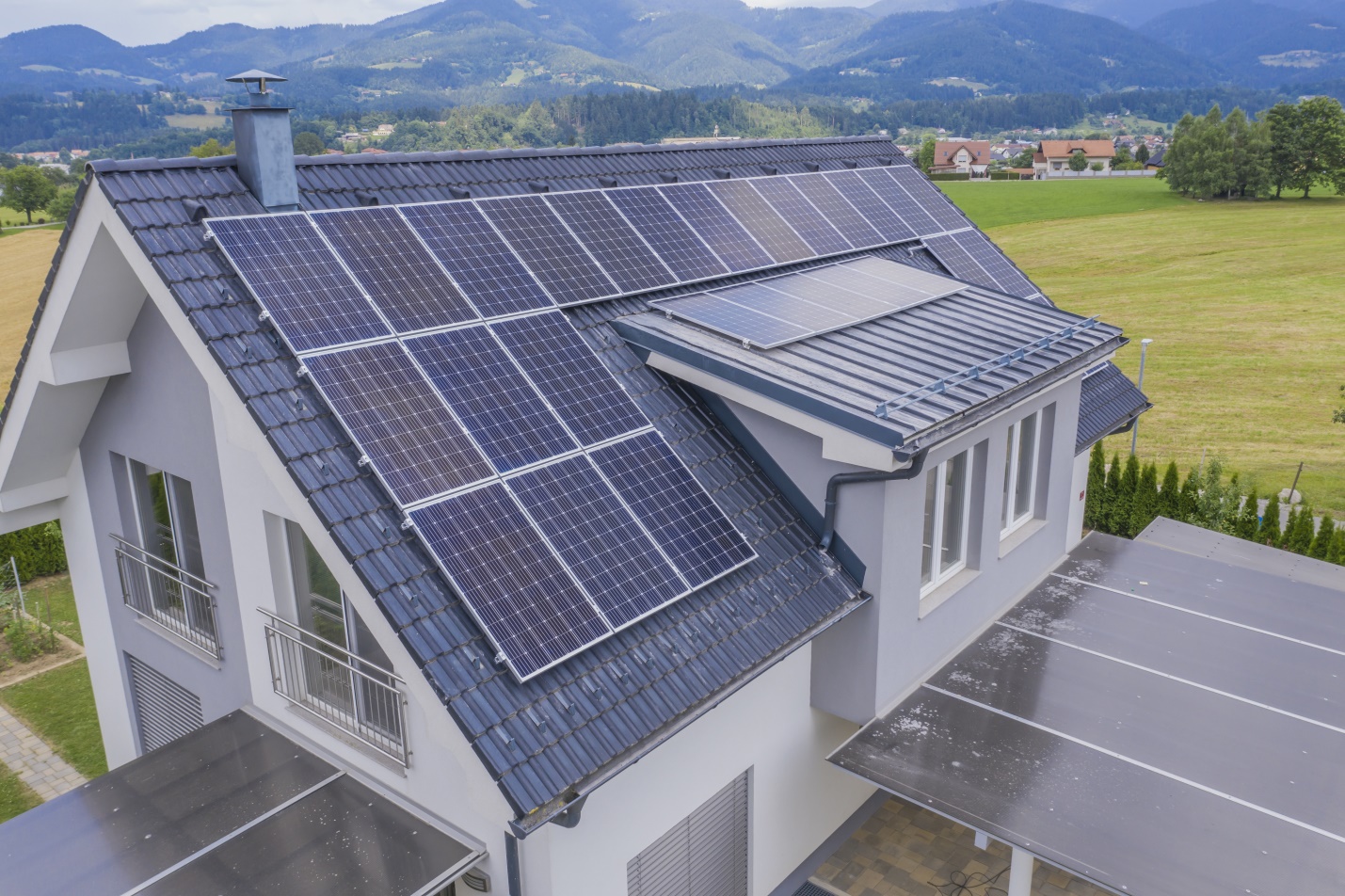
Here's the part almost nobody asks about before signing a quote: what happens once the installers pack up and drive away? Most conversations about solar focus entirely on the installation day itself — panels going up, wiring, testing — and then go quiet. But the weeks and years after your system is switched on are where the actual value shows up, and knowing what to expect makes the difference between a homeowner who gets the full benefit of their system and one who's left wondering if it's even working properly.
The First Few Hours: System Activation
Once installation and testing are complete, your system doesn't need a separate "go-live" appointment — it starts generating power immediately once switched on, as soon as the sun is out. Before the installation team leaves, a proper installer walks you through your monitoring app, so you can see exactly how much power your system is generating in real time, right from day one.
This first walkthrough matters more than it seems. Understanding your monitoring dashboard early means you'll actually notice if something looks off weeks or months later, rather than assuming everything's fine simply because the lights still turn on.
The First Few Days: Confirming Grid Connection
Behind the scenes, there's one more step that needs to finalise before you're getting full value from your system: formal sign-off from your electricity network provider confirming your grid connection. A properly run installer handles this paperwork as part of your project, so for most Perth homeowners this happens seamlessly without any action required on your end — but it's worth confirming with your installer that this step has been completed, particularly if you're planning to export excess power back to the grid for bill credits.
The First Bill Cycle: Seeing the Real Impact
This is where solar starts to feel tangible. Your next electricity bill will typically show a meaningful drop, and depending on your system size, the scale of that drop varies:
|
System Size |
Annual Savings |
|---|---|
|
6.6kW Solar + 10kWh Battery |
$2,208 |
|
10kW Solar + 15kWh Battery |
$3,156 |
|
13.3kW Solar + 20kWh Battery |
$4,188 |
|
19.8kW Solar + 30kWh Battery |
$6,276 |
Actual savings vary based on electricity usage, energy rates, and system performance.
It's worth noting your very first bill might not reflect a full billing cycle of solar generation, depending on when in the cycle your system went live — so the clearest comparison is usually your first full bill cycle against the same period the previous year.
Ongoing: What Your System Is Actually Doing Day to Day
Once running, a well-sized Perth system performs consistently thanks to the city's climate — averaging around 8.8 hours of sunshine a day, with winter temperatures rarely dropping below 5°C, keeping generation steady across most of the year. As a reference point, Perth's most commonly installed 10kW system typically produces 38-45 kWh per day, or roughly 1,300-1,600 units per month.
Day to day, this looks like: your home draws power directly from your panels while the sun is out, any excess generation either charges a battery (if you have one) or exports to the grid for bill credits, and once the sun goes down, your home draws from either your battery or the grid as usual.
Maintenance: What Actually Needs Doing
One of solar's genuine advantages is how little ongoing maintenance it needs. There's no fuel, no moving parts to wear out, and panels are built to handle Perth's climate without regular servicing. That said, a few things are worth keeping an eye on:
- Monitoring app check-ins — a quick glance every few weeks helps you catch any unexpected drop in output early
- Occasional visual checks — looking for obvious debris, bird droppings, or shading from growing trees that might affect specific panels
- Battery performance (if applicable) — most residential batteries, like GROWATT or Tesla Powerwall 3 systems, come with 10-year manufacturer warranties and require minimal intervention
If output ever looks meaningfully lower than expected without an obvious cause (like an overcast week), that's the trigger to contact your installer rather than waiting it out.
Support: What Happens If Something Comes Up
A properly run solar company doesn't disappear after installation day. Reliable after-sales support means being able to call or email if a question or issue comes up, with a response typically expected within 24 to 48 hours — not weeks of silence while you're left guessing whether your system is functioning correctly.
The Long-Term Picture
This is ultimately what the process has been building toward: 25+ years of largely passive electricity generation, reduced bills, and a system that requires minimal attention once it's properly installed and understood. The homeowners who get the most value aren't necessarily the ones with the biggest systems — they're the ones who understand their monitoring app, know what normal output looks like for their system size, and have an installer they can actually reach if something changes.
Solar 365 provides ongoing after-sales support with a 24-48 hour response time, so once your system is installed, you're not left managing it alone — one call or email, and the team handles the rest.
Quick Answers
Does my solar system start working immediately after installation? Yes — it begins generating power as soon as it's switched on and the sun is out, no separate activation step needed.
How soon will I see savings on my electricity bill? Most homeowners see a noticeable drop from their first full billing cycle after installation.
How much maintenance does a solar system need? Very little — occasional monitoring app check-ins and visual checks are generally enough, since panels have no moving parts.
What should I do if my system's output looks unusually low? Contact your installer directly rather than waiting — a properly supported installer should respond within 24-48 hours.
