What Factors Affect Lead Time When Sourcing Aluminum Frame Components?
Author : Alex Wu | Published On : 16 Sep 2026
Project timeline planning ranks among top concerns for mechanical procurement teams. Many automation‑equipment and production‑line renovation projects encounter schedule delays traced back to aluminum frame component delivery. Even identical product specifications may show large delivery‑time differences among different purchase orders. Understanding influencing factors helps purchasers set realistic schedules and lower project‑delay risks.
Stock Standard Profiles Versus Custom Extrusion Development
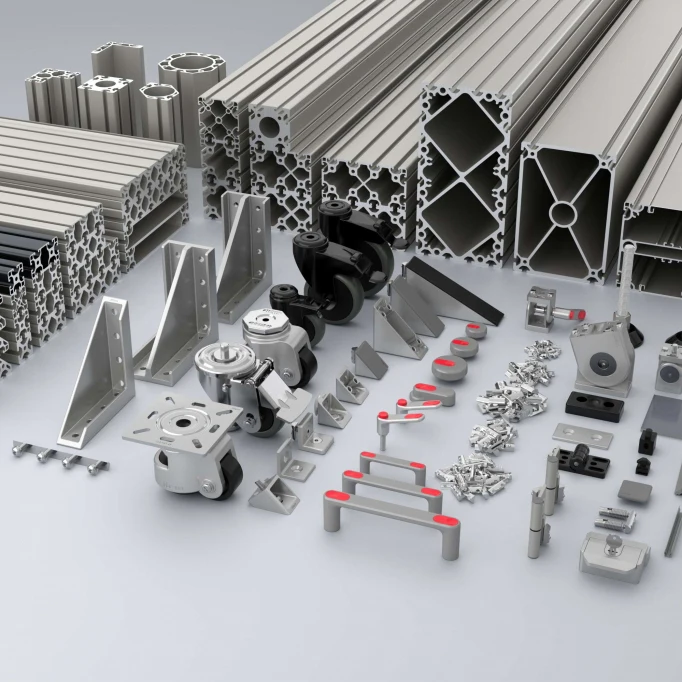
Standard series profiles such as 2020, 3030, 4040 and 4080 keep large finished‑goods inventory at experienced manufacturers. If project designs fully adopt these public‑specification frames, production steps only include cutting and simple tapping. Lead time can stay within one to two weeks for most regional orders. Once projects require custom cross‑section aluminum extrusion, new die fabrication becomes necessary. Die machining, heat treatment and trial extrusion create unavoidable time overhead. Industry average data shows brand‑new custom die cycles normally range from three to five weeks. Purchasers should confirm whether frame designs can reuse existing supplier mold libraries, which will greatly compress overall project cycles.
Complexity Of Surface Finishing Procedures
Surface‑treatment options create noticeable variation for total turnaround time. Saw‑cut raw extruded blanks require no surface finishing and deliver fastest output. Common clear anodizing adds one process cycle without heavy schedule pressure. Colored anodizing, sandblasting plus anodizing, polishing and special coating all demand additional processing batches and quality inspection loops. In multi‑frame batch orders mixing multiple surface‑finish requirements, sorting and separate‑batch handling will extend overall lead time. Project planners are advised to unify surface‑treatment specifications wherever feasible within frame drawings to streamline factory workflows.
Scope Of Secondary Custom Machining Work
Simple‑cut‑to‑length orders consume limited manufacturing resources. When aluminum frame components need abundant CNC milling, precision hole array drilling, threading and notch cutting, every extra machining operation adds processing hours and inspection workload. One real‑world equipment‑frame order contained hundreds of pieces with unique hole‑position layouts. Although base profiles belonged to existing standard stock items, massive custom‑machining content pushed total lead time close to four weeks. Many buyers overlook secondary‑processing time budget, mistakenly calculating delivery timeline only based on extrusion production rhythm. Technical procurement specialists recommend separating extrusion production cycle and post‑machining cycle inside internal project planning documents.
Supplier Internal Production Scheduling And Supply Chain Capacity
Even after technical parameters get confirmed, overall lead time still relates to supplier workshop loading, raw‑material billet stock and internal workflow organization. Over‑loaded production workshops will push order queues backward. Reliable manufacturers maintain stable billet inventory and balanced order‑scheduling mechanisms. Hengdong holds large‑volume stock for mainstream industrial aluminum profiles. Its in‑house extrusion, surface‑treatment and CNC‑machining workshops reduce outsourcing waiting periods. For urgent aluminum‑frame‑component demands, the internal one‑stop workflow provides feasible fast‑track solutions. Transparent early communication about project volume, technical scope and target delivery date helps both sides arrange production reasonably and prevent unexpected schedule setbacks.
