What Eczema Treatment Helps Improve Skin Comfort Naturally?
Author : dynamic Healthcare | Published On : 04 Nov 2026
Eczema can make everyday life uncomfortable by causing dryness, itching, redness, and irritated patches that affect the skin’s appearance and feel. Finding suitable care is important for maintaining a healthier skin barrier and reducing common triggers. Many people exploring Eczema Treatment in Dubai want practical ways to manage irritation while keeping their skin moisturized and comfortable. Although eczema cannot always be prevented, gentle skincare habits and appropriate medical guidance can help people manage symptoms and protect sensitive skin from unnecessary irritation.
Understanding Eczema and Its Common Symptoms
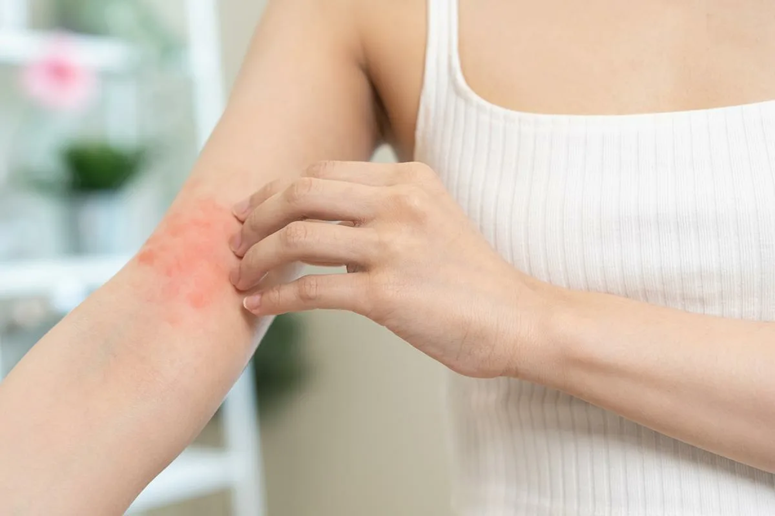
Eczema is a skin condition that can cause inflammation, dryness, itching, and recurring patches of irritation. Common signs include:
-
Dry, rough, or flaky skin.
-
Persistent itching that may become worse at night.
-
Red, darker, or inflamed patches, depending on skin tone.
-
Cracked skin that feels tight or uncomfortable.
-
Sensitive areas that react to fragrances or harsh products.
Why Moisturizing Is Essential for Skin Comfort
Moisturizing is one of the most important everyday habits for managing eczema-prone skin. Eczema can weaken the skin barrier, allowing moisture to escape more easily and making irritants more likely to cause discomfort. Regular use of a suitable moisturizer helps reduce dryness and supports the skin’s natural protective function.
Choose fragrance-free creams or ointments rather than heavily scented lotions. Products containing ingredients such as petrolatum or ceramides can help retain moisture and support the skin barrier. Applying moisturizer after bathing, while the skin is still slightly damp, can also help prevent excessive dryness.
Choosing Gentle Cleansers for Sensitive Skin
Cleansing should remove dirt and sweat without stripping away the skin’s natural oils. Strong soaps, fragranced washes, and abrasive cleansing products may aggravate eczema and leave the skin feeling tight. Consider these gentle cleansing habits:
-
Use fragrance-free cleansers designed for sensitive skin.
-
Wash with lukewarm rather than hot water.
-
Avoid scrubbing affected areas with rough cloths or exfoliating tools.
-
Pat the skin dry with a soft towel instead of rubbing.
-
Apply moisturizer soon after washing.
Identifying Everyday Eczema Triggers
Different people experience different eczema triggers. Recognizing personal patterns can help reduce exposure to factors that contribute to itching or inflammation. Common triggers include dry air, excessive heat, sweating, certain fabrics, fragranced products, and household cleaning chemicals.
Keeping a basic skincare diary may help identify connections between flare-ups and everyday activities. For example, irritation that develops after wearing a particular fabric may indicate sensitivity to the material or detergent.
Wearing Skin-Friendly Clothing
Clothing can influence how comfortable eczema-prone skin feels throughout the day. Rough fabrics, tight garments, and materials that trap heat may increase friction, sweating, and itching.
Wash new clothing before wearing it, and choose fragrance-free laundry detergents when possible. Avoid heavily scented fabric softeners if they appear to trigger irritation. During warmer weather, change out of sweaty clothing promptly and keep the skin cool and dry.
Using Natural Approaches With Care
Some simple, non-medicated practices may support skin comfort, but natural ingredients are not automatically safe for eczema. Potentially helpful approaches include:
-
Cool compresses: A clean, cool, damp cloth may temporarily soothe itching.
-
Colloidal oatmeal: Properly formulated oatmeal skincare products may help calm irritated skin in some individuals.
-
Comfortable bathing: Short baths with lukewarm water can help hydrate the skin when followed by moisturizer.
-
Gentle environments: Avoiding overheating and maintaining comfortable indoor humidity may reduce dryness.
Managing Itching Without Damaging the Skin
Scratching may provide temporary relief, but repeated scratching can damage the skin, increase inflammation, and raise the risk of infection. Developing alternative ways to manage itching is therefore an important part of everyday eczema care.
Keep fingernails short and smooth to minimize accidental skin damage. Use a cool compress when itching becomes distracting, and apply a suitable moisturizer whenever dryness contributes to discomfort. Soft clothing and breathable bedding may also reduce irritation during rest.
Understanding When Medical Treatment Is Needed
Natural skincare measures can support comfort, but they may not be sufficient for moderate or severe eczema. Persistent inflammation sometimes requires prescription treatments to control symptoms and prevent complications.
A healthcare professional can assess the affected areas, consider possible triggers, and recommend appropriate options. Depending on the condition, treatment may include topical corticosteroids or other prescribed medicines. These should be used according to professional instructions, especially on delicate areas such as the face and around the eyes.
Maintaining a Consistent Skincare Routine
A simple, repeatable routine can help reduce unnecessary irritation and make eczema easier to manage. A practical daily routine can include:
-
Gentle cleansing with lukewarm water.
-
Applying a fragrance-free moisturizer regularly.
-
Using suitable sun protection when outdoors.
-
Avoiding products that have previously caused irritation.
-
Observing changes in dryness, itching, and redness.
Final Thoughts
Improving skin comfort naturally begins with understanding eczema, protecting the skin barrier, and identifying personal triggers. Regular moisturizing, gentle cleansing, breathable clothing, and careful attention to itching can support daily skin management. Natural approaches such as cool compresses and suitable colloidal oatmeal products may also provide additional comfort when tolerated. Eczema varies in severity, and persistent inflammation may require professional assessment and appropriate medication.
