What Does Vitamin C Serum Do for Your Face?
Author : Rakesh Sivalingam | Published On : 19 May 2026
What Does Vitamin C Serum Do for Your Face?
If you’ve spent even five minutes browsing skincare videos or beauty aisles lately, chances are you’ve heard someone rave about vitamin C serum. It’s often described as the secret behind glowing skin, reduced wrinkles, and a brighter complexion. But what exactly does vitamin C serum do for your face, and why has it become such a must-have product in skincare routines around the world?
Vitamin C serum is more than just another trendy cosmetic product. Dermatologists and skincare experts consistently recommend it because it delivers multiple benefits at the same time. It works like a shield, a repair tool, and a glow booster all packed into one small bottle. According to recent dermatology research, vitamin C helps reduce oxidative stress caused by pollution, UV rays, and environmental damage. It also supports collagen production, which keeps skin firm and youthful-looking.
Think of your skin like a fresh white shirt. Every day, pollution, sunlight, stress, and aging leave behind invisible stains and wrinkles. Vitamin C serum acts like a protective cleaner that helps brighten, smooth, and defend the fabric of your skin before long-term damage becomes too visible.
What Is Vitamin C Serum?
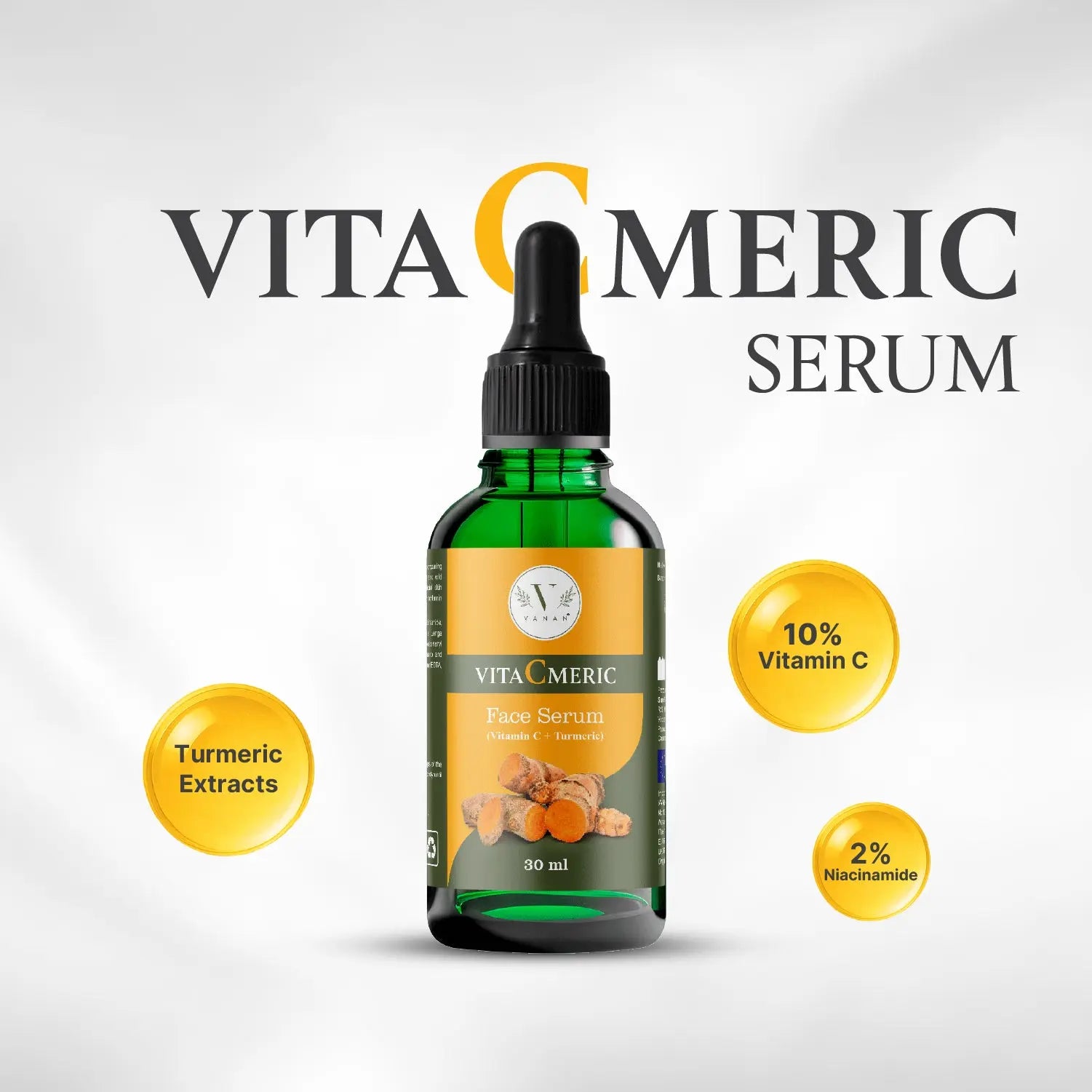
Vitamin C serum is a lightweight skincare product formulated with concentrated vitamin C, usually in forms like L-ascorbic acid or sodium ascorbyl phosphate. Unlike moisturizers, serums contain smaller molecules that penetrate deeper into the skin. This allows active ingredients to work more effectively and produce visible improvements faster.
Vitamin C is known as a powerful antioxidant. Antioxidants help neutralize harmful molecules called free radicals, which damage skin cells over time. Free radicals are created by sunlight, pollution, smoking, stress, and even normal body processes. Without protection, these unstable molecules contribute to wrinkles, dullness, fine lines, and uneven skin tone.
Many vitamin C serums also contain ingredients like vitamin E or ferulic acid. These ingredients stabilize the formula and increase its effectiveness. Since vitamin C is sensitive to air and light, most quality serums come in dark or opaque bottles to prevent oxidation. If your serum turns dark brown or smells strange, it may have oxidized and lost its potency.
The popularity of vitamin C serum continues growing because it addresses several common skin concerns at once. Instead of using separate products for brightness, wrinkles, and pigmentation, people often rely on one good vitamin C serum to simplify their skincare routine.
How Vitamin C Works on the Skin
Vitamin C works by supporting the skin’s natural repair and defense systems. One of its biggest roles is helping the body produce collagen. Collagen is the protein responsible for keeping skin firm, smooth, and elastic. As people age, collagen production naturally decreases, leading to sagging skin and wrinkles.
By stimulating collagen synthesis, vitamin C helps skin maintain a youthful appearance. Imagine collagen like the framework inside a mattress. When the framework weakens, the mattress begins to sag. Vitamin C helps strengthen that framework so the skin stays firmer for longer.
Another important function of vitamin C is protecting the skin from environmental stress. While sunscreen blocks harmful UV rays, vitamin C helps neutralize oxidative damage caused by sun exposure. This is why many dermatologists recommend applying vitamin C serum in the morning under sunscreen for extra protection.
Vitamin C also reduces inflammation and supports skin healing. This makes it useful for people dealing with redness, acne marks, or irritated skin. Over time, regular use can improve overall skin texture and tone, giving the face a smoother and healthier appearance.

Major Benefits of Vitamin C Serum
Brightens Skin
One of the first things people notice after using vitamin C serum consistently is brighter-looking skin. Dullness often develops because dead skin cells, dehydration, pollution, and stress prevent the skin from reflecting light evenly. Vitamin C helps restore radiance by improving skin clarity and reducing oxidative damage.
The glow people talk about isn’t simply oiliness or shine. It’s a healthier, fresher appearance that comes from improved skin function. Vitamin C supports skin renewal, helping tired-looking skin appear more awake and energized.
People who spend long hours indoors, experience lack of sleep, or live in polluted cities often notice major improvements in skin brightness after introducing vitamin C into their routine. It’s almost like cleaning a foggy window — suddenly everything looks clearer and more vibrant.
Fades Dark Spots
Dark spots and hyperpigmentation are among the most frustrating skincare problems because they can linger for months. Vitamin C helps fade these marks by slowing down melanin production in the skin. Melanin is the pigment responsible for dark patches caused by acne scars, sun damage, or hormonal changes.
With regular use, vitamin C serum gradually evens out skin tone and reduces discoloration. This process takes patience because skin renewal happens slowly. Most people begin seeing noticeable changes after several weeks of consistent application.
Unlike harsh bleaching products, vitamin C doesn’t strip the skin or create an unnatural appearance. Instead, it works gently to restore balance and brightness. That’s one reason dermatologists often recommend it for people with uneven skin tone.
Boosts Collagen and Reduces Wrinkles
Collagen is essential for youthful skin, but natural collagen production declines with age. This is where vitamin C becomes incredibly valuable. It supports collagen synthesis, helping skin maintain firmness and elasticity.
Fine lines and wrinkles form when collagen and elastin fibers weaken over time. Vitamin C helps slow this process by protecting existing collagen and encouraging the production of new collagen fibers. While it won’t erase deep wrinkles overnight, consistent use can soften the appearance of fine lines and improve skin texture.
Many anti-aging skincare products focus heavily on hydration or exfoliation alone. Vitamin C works differently because it targets one of the root causes of aging at the cellular level. That’s why it remains one of the most trusted ingredients in modern dermatology.
Protects Against Sun Damage
Vitamin C is not a replacement for sunscreen, but it works extremely well alongside SPF products. Sun exposure creates free radicals that damage skin cells and accelerate aging. Vitamin C neutralizes these harmful molecules before they cause significant damage.
People sometimes think sunscreen alone is enough, but dermatologists increasingly recommend combining sunscreen with antioxidants like vitamin C for better environmental protection. Together, they create a stronger defense system against premature aging and sun-related pigmentation.
This protective effect becomes especially important in sunny climates or urban areas with high pollution levels. Daily exposure to UV rays and pollution can quietly damage skin for years before visible signs appear.
How to Use Vitamin C Serum Correctly
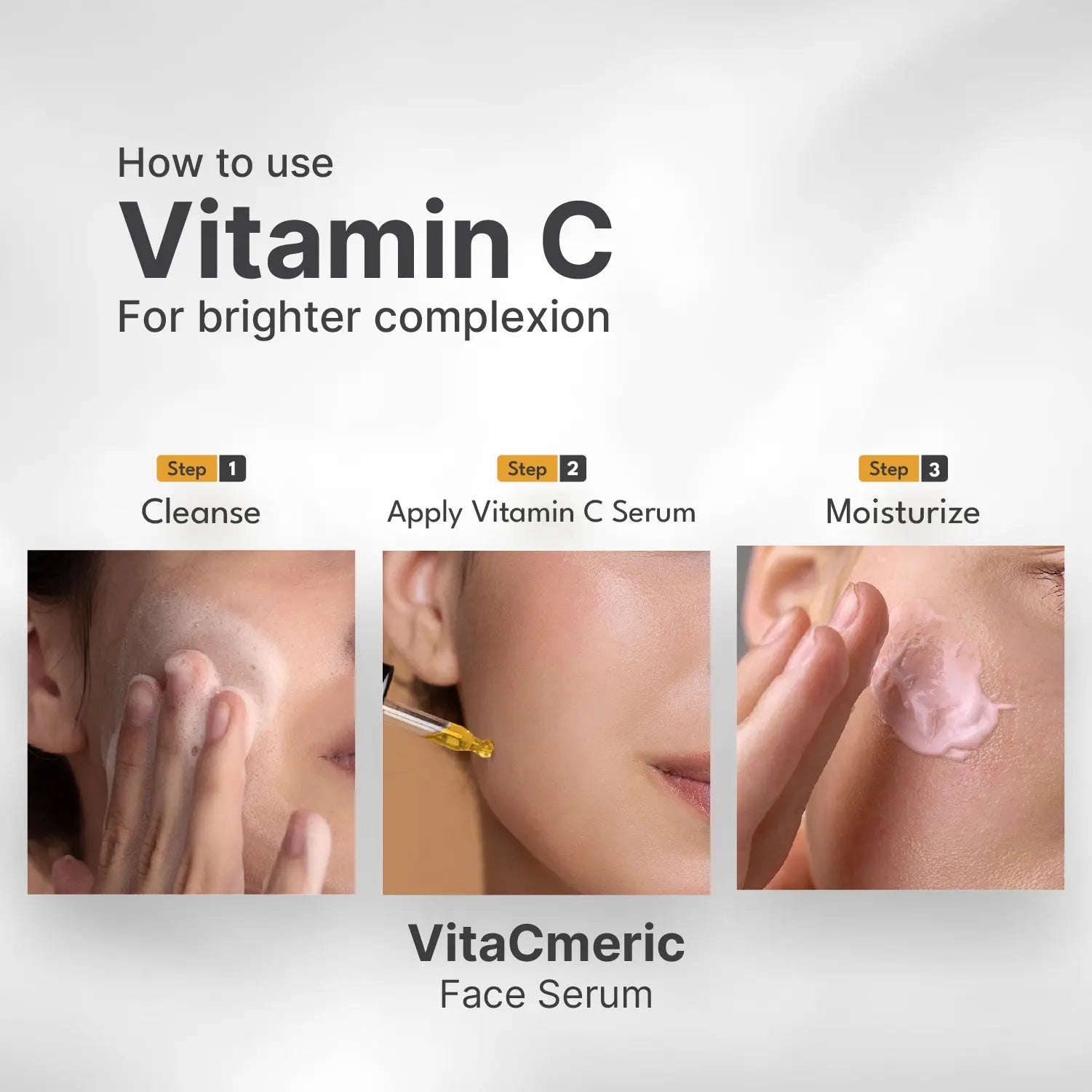
Using vitamin C serum properly can make a huge difference in results. Most experts recommend applying it once daily, preferably in the morning after cleansing and before moisturizer and sunscreen.
Only a few drops are usually needed. Gently press the serum into the skin instead of rubbing aggressively. Once absorbed, follow with moisturizer and SPF to lock in hydration and provide additional protection.
Beginners should start with lower concentrations, around 10%, especially if they have sensitive skin. Higher concentrations may cause irritation in some individuals. Consistency matters more than strength. Applying vitamin C regularly over time is far more effective than using very strong formulas inconsistently.
Store the serum in a cool, dark place away from sunlight and heat. Proper storage helps maintain potency and prevents oxidation.
Side Effects and Precautions
Vitamin C serum is generally safe for most skin types, but some people may experience mild irritation, redness, or tingling when first using it. This usually happens with high concentrations or sensitive skin.
Patch testing is always a smart idea before applying a new product to the entire face. If irritation occurs, using the serum every other day instead of daily may help the skin adjust gradually.
People with highly sensitive or reactive skin should choose gentler vitamin C derivatives rather than pure L-ascorbic acid. It’s also important not to combine too many active ingredients at once, especially strong acids or retinoids, unless guided by a dermatologist.
Conclusion
Vitamin C serum has earned its reputation as one of the most effective skincare products available today. It brightens dull skin, fades dark spots, supports collagen production, reduces signs of aging, and helps protect against environmental damage. Few skincare ingredients can multitask as effectively while remaining accessible for most skin types.
The real secret behind vitamin C serum isn’t instant transformation. It’s consistency. Like watering a plant or exercising regularly, the benefits build gradually over time. With proper use and patience, vitamin C can help your skin look healthier, smoother, and more radiant for years to come.
FAQs
1. Can I use vitamin C serum every day?
Yes, most people can use vitamin C serum daily, especially in the morning before sunscreen.
2. How long does it take to see results?
Many users notice brighter skin within 2 to 4 weeks, while dark spots and wrinkles may take longer.
3. Is vitamin C serum good for acne-prone skin?
Yes, vitamin C can help reduce acne marks, inflammation, and post-acne pigmentation.
4. Can vitamin C replace sunscreen?
No. Vitamin C enhances sun protection but should always be paired with sunscreen.
5. Which skin type benefits most from vitamin C serum?
Almost all skin types can benefit, though sensitive skin should start with lower concentrations. Discover more natural and herbal products Click Here.
