What Do You Do When Bats Live on Your Roof?
Author : Susan Armadale | Published On : 11 Nov 2026
Most people typing bat removal near me have just watched something small and dark drop out of the roofline at dusk, and now they’re not sure what they saw. Bats don’t want your living room. They want a spot that’s dark, warm, dry and tight, and a gap behind the siding or an attic corner does fine. A crack about as wide as your thumb is plenty, which sounds made up but isn’t. Mothers gather in late spring to have pups, so a house that was empty in April can hold a few dozen by June. And they come back. Same spot, every year, because bats are creatures of habit and your roof worked the first time.
Is It Bats or Something Smaller?
Sound is the first clue, though it’s quieter than you’d think. Light rustling, some squeaking, mostly around dusk and again before sunrise. Mice scratch at all hours. Bats keep a schedule, kind of like commuters.
Outside is where the proof is. Sit and watch the roofline for twenty minutes at sunset. If small shapes drop out of one gap, you’ve got your answer. Then look for guano, the droppings, which look like mouse droppings but crumble to powder when pressed, because it’s mostly insect bits. Dark stains around a gap in the siding. A sharp ammonia smell in the attic if the colony’s been there a while. One bat flying around inside at night doesn’t always mean a colony, it could be a lost one, but go check anyway.
Are Bats in the Attic Dangerous?
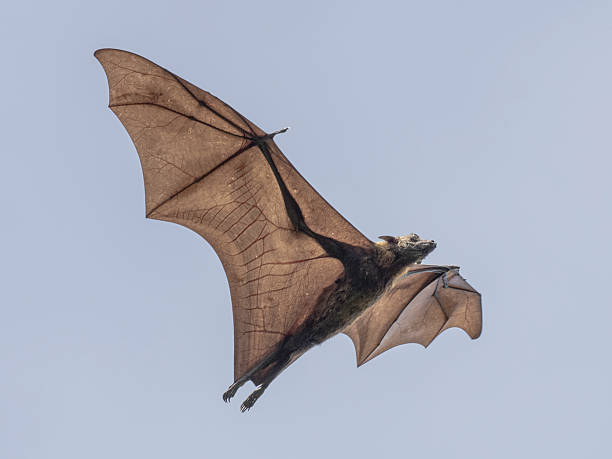
They can be, though not in the movie way. Most bats mind their own business and eat tons of insects, so nobody’s asking you to hate them.
Rabies is what everyone thinks of. Only a small share of bats carry it, but a bite can be tiny and easy to miss, so if you wake up with a bat in the bedroom, call a doctor or the health department. Don’t shrug it off. Then guano, which can grow a fungus called histoplasma. Breathe in the spores while cleaning and you can end up with a lung infection that feels a lot like the flu. Piles also stink, stain ceilings, and soak into insulation. A shop vac and a paper dust mask won’t cut it, I’ll say that much.
Can You Just Seal the Hole and Be Done?
No. And this is where people get in real trouble.
Close a hole with bats inside and they’re trapped. They’ll look for another way out, and some wind up in your walls or living space. Others die in there and the smell lingers for weeks. Worse, if it’s pup season, you’ve locked in babies with no mother to feed them. That’s cruel, and in most states it’s flat out illegal. Bats are protected in many places, with a window, often around May through August, when exclusion is off limits. Rules change by state, so check yours.
Other bad ideas include mothballs, which just poison your attic air, and ultrasonic gadgets, which bats ignore. Smoke and bright lights don’t work. And chasing them with a net isn’t a plan.
What Does Real Bat Removal Look Like?
First comes an inspection, and a decent one takes a while. Somebody walks the whole house, checking the ridge, gable vents, soffits, chimney, and anywhere roof meets wall. Bats can use more than one exit, so every one has to be found. Often the tech stands outside at dusk and counts them as they leave.
Then the exclusion. One-way devices, little tubes or netting, go over the main openings. Bats fly out at night to feed and can’t get back in. That runs about a week. When they’re all out, every gap gets sealed with real materials, metal flashing, hardware cloth, caulk made for the job. That sealing is usually what decides whether they come back next year.
Cleanup closes it out. Guano removed, area sanitized, insulation replaced if it’s soiled. Skip it and the smell tells the next bats the place is open.
When Is the Right Time to Get It Done?

Timing matters more here than with other animals. Late spring through summer is nesting season, and baby bats can’t fly yet. Excluding adults then traps the pups, which is exactly why many states block it. Windows often open around late August or September, once the young can fly, and close again before cold weather pushes bats toward hibernation. In the north, if you wait until deep fall, they may already be settled for winter and you can’t safely push them out.
So call early. Get the inspection, make a plan, even if the work has to wait a few weeks. Waiting doesn’t mean ignoring it though. Keep the family out of the attic and watch for any bats getting into living areas.
How Much Does It Cost?
Swings a lot. A small colony with one or two entry points, a quick exclusion and some sealing might be a few hundred to maybe a thousand dollars. A big colony in a large house with lots of gaps, heavy guano and insulation replacement can run several thousand. Roof height matters, and so does how much sealing there is.
A cheap quote is usually missing something. Sealing, cleanup, follow-up, one of those. Then the bats come back next summer and you pay twice. Ask about a warranty, and ask whether they know your state’s timing rules. If someone quotes a price without asking when you last saw bats, or without looking at the roof, they probably haven’t thought it through.
Final Thoughts: Do It Right the First Time
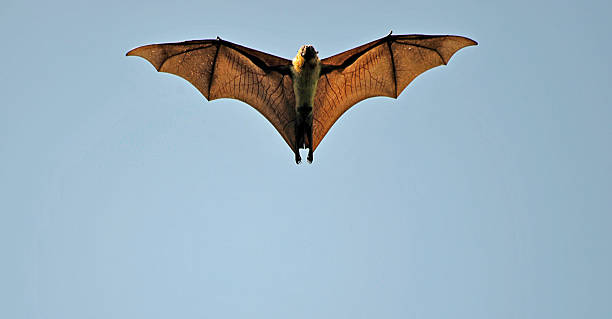
Bats won’t leave for good on their own, and pushing the wrong way can make things worse. Wait for the right season, use one-way exclusion, seal everything properly. That’s the whole formula, just done carefully.
Sometimes what’s in the attic isn’t only bats. A hole that works for them works for other animals too, and homeowners in big cities often end up looking into rat removal in Houston after hearing scratching at night on top of the dusk rustling. Different animals, different fixes. A one-way device does nothing for rats, and rat trapping does nothing for bats, so find out who’s up there before anything gets sealed. And don’t try handling a colony yourself. Elite Wildlife Services handles the inspection, humane exclusion, sealing and cleanup, so the bats are out, safe, and not coming back.
Frequently Asked Questions
What is the best way to get bats out of an attic?
One-way exclusion devices. Bats leave at night to feed and can’t get back in. Once they’re all out, you seal every opening so they can’t return.
Is it illegal to remove bats?
Killing bats is illegal in many places, and exclusion is often restricted during pup season, roughly late spring through summer. Check your state’s rules or hire a licensed pro.
Do bats leave on their own?
Sometimes in fall, but they usually return the next year. If they picked your house, they’ll keep using it until the gaps are sealed.
Is bat guano dangerous?
It can be. The dust may carry spores of a fungus that causes histoplasmosis. Don’t clean it yourself without proper protective gear, and ideally let a professional handle it.
How long does bat removal take?
Often one to three weeks for the exclusion period, then a day or two for sealing and cleanup. The best timing depends on the season and where you live.
