What Dietary Changes Are Mandatory After Bariatric Surgery?
Author : Ahmad Hassan | Published On : 06 Jul 2026
Choosing to undergo Bariatric Surgery in Dubai is more than a weight-loss decision—it is the beginning of a lifelong commitment to healthier eating habits. The procedure changes the size of the stomach, making it necessary to adjust meal portions, food choices, and eating behaviors to achieve lasting results. Following the recommended dietary guidelines helps support healing, protects the digestive system, and improves long-term weight management. Instead of relying on temporary diets, patients learn a structured way of eating that supports both nutrition and overall wellness.
Why Diet Becomes a Lifelong Priority
Bariatric surgery significantly reduces the stomach's capacity, meaning patients can no longer consume meals the way they did before surgery. Because the body processes food differently, every meal should be planned with nutrition in mind rather than convenience.
The primary goals of the post-surgery diet include:
- Supporting proper healing after surgery
- Preventing nutritional deficiencies
- Promoting healthy weight loss
- Maintaining muscle mass
- Reducing digestive discomfort
- Encouraging long-term healthy habits
Learning these new eating patterns takes time, but consistency makes them easier to follow.
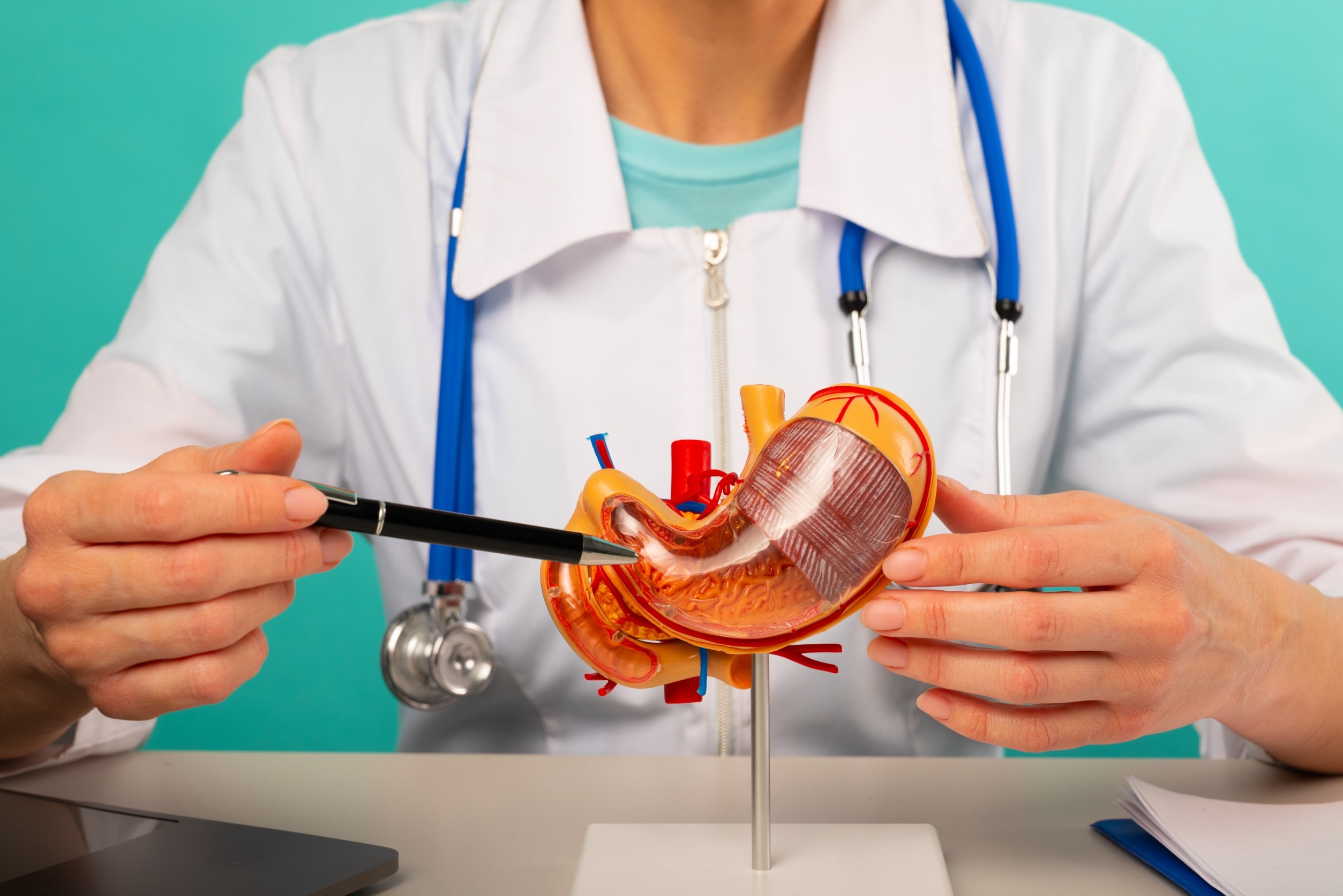
The Different Stages of the Post-Surgery Diet
Recovery follows a gradual progression that allows the digestive system to adapt safely.
Stage 1: Clear Liquids
Immediately after surgery, patients begin with clear liquids to remain hydrated while avoiding unnecessary strain on the stomach. Water, clear broth, and sugar-free beverages are commonly recommended during this phase.
Stage 2: Full Liquids
As healing progresses, protein-rich liquids become an essential part of recovery. Smooth soups, protein shakes, and low-fat dairy products help meet nutritional needs while remaining easy to digest.
Stage 3: Pureed Foods
Soft, blended foods are introduced next. Pureed vegetables, mashed beans, scrambled eggs, and blended lean meats provide valuable nutrients without overwhelming the stomach.
Stage 4: Soft Foods
Patients gradually transition to tender foods that require minimal chewing. Soft fruits, cooked vegetables, fish, and finely chopped poultry are often well tolerated.
Stage 5: Regular Healthy Foods
Eventually, patients return to a balanced diet consisting of nutrient-dense foods in carefully controlled portions.
Protein Becomes the Top Nutritional Priority
One of the most important dietary changes after surgery is increasing daily protein intake. Since meal sizes become much smaller, every bite needs to provide meaningful nutrition.
Protein supports:
- Muscle preservation
- Tissue repair
- Faster recovery
- Better metabolism
- Improved satiety
Excellent protein sources include:
- Chicken
- Turkey
- Fish
- Eggs
- Greek yogurt
- Cottage cheese
- Lentils
- Beans
- Tofu
Patients are generally encouraged to eat protein first before consuming vegetables or healthy carbohydrates.
Portion Control Is No Longer Optional
After surgery, overeating can lead to discomfort, nausea, vomiting, or stomach stretching. Portion control therefore becomes one of the most important lifelong habits.
Patients are encouraged to:
- Eat slowly
- Use smaller plates
- Stop eating at the first sign of fullness
- Measure serving sizes
- Avoid second helpings
Bariatric Treatment in Dubai also emphasizes mindful eating techniques that help patients recognize hunger and fullness cues while building healthier relationships with food.
Hydration Requires a Different Approach
Proper hydration supports digestion, circulation, metabolism, and overall recovery. However, drinking habits must also change after bariatric surgery.
Patients are usually advised to:
- Drink water throughout the day
- Sip slowly instead of gulping
- Avoid drinking during meals
- Wait before drinking after eating
- Limit sugary beverages
- Avoid carbonated drinks
These simple adjustments reduce stomach discomfort while helping patients meet their daily fluid requirements.
Foods That Should Be Limited or Avoided
Certain foods become difficult to tolerate after surgery, while others may interfere with weight-loss goals.
Common foods to limit include:
- Fried foods
- Sugary desserts
- Candy
- Sweetened beverages
- White bread
- Highly processed snacks
- Fast food
- Alcohol
- High-fat sauces
Many patients also discover that individual food tolerances change over time, making it important to introduce new foods gradually.
Vitamins and Minerals Become Essential
Because food intake decreases considerably, meeting daily nutritional needs through diet alone may become difficult. Vitamin and mineral supplementation is therefore a routine part of post-bariatric care.
Common supplements may include:
- Multivitamins
- Calcium
- Vitamin D
- Vitamin B12
- Iron
- Folate
Regular nutritional monitoring helps ensure the body continues receiving the nutrients needed for healthy functioning.
Healthy Eating Habits That Support Long-Term Success
Successful long-term outcomes depend on much more than food selection alone. Daily eating behaviors play a significant role in maintaining weight loss.
Helpful habits include:
- Eating at consistent times
- Chewing food thoroughly
- Avoiding distracted eating
- Planning balanced meals
- Reading nutrition labels
- Preparing meals at home more often
- Keeping healthy snacks available
Over time, these habits become part of a sustainable lifestyle rather than temporary rules.
Benefits of Following the Recommended Diet
Patients who consistently follow dietary recommendations often experience improvements that extend well beyond weight loss.
Some important benefits include:
- Better digestion
- Improved energy levels
- Enhanced nutrient absorption
- Healthier blood sugar control
- Reduced risk of overeating
- Greater confidence in food choices
- Better long-term weight maintenance
- Improved overall quality of life
These positive outcomes become more noticeable as healthy eating habits become routine.
Common Challenges and Practical Solutions
Adjusting to new eating patterns is rarely effortless. Many patients face emotional and physical challenges during recovery.
Some common obstacles include:
- Food cravings
- Emotional eating
- Social gatherings centered around food
- Learning new cooking habits
- Remembering supplements
- Staying hydrated throughout the day
Creating meal plans, tracking protein intake, practicing mindful eating, and seeking nutritional guidance can make these challenges much easier to manage while building confidence in daily routines.
Conclusion
Dietary changes after bariatric surgery are permanent lifestyle adjustments rather than temporary restrictions. Choosing nutrient-rich foods, prioritizing protein, staying hydrated, controlling portions, and taking recommended supplements all contribute to healthier outcomes and sustainable weight management. With consistency, patience, and ongoing commitment to healthy habits, patients can enjoy lasting improvements in both physical health and daily well-being. Individuals seeking guidance throughout this journey can benefit from the comprehensive support available at Dynamic Clinic, where long-term nutritional success remains an important part of post-surgical care.
