What Chemicals for Pressure Washing Concrete Work Best?
Author : Hotsy of Virginia | Published On : 17 Aug 2026
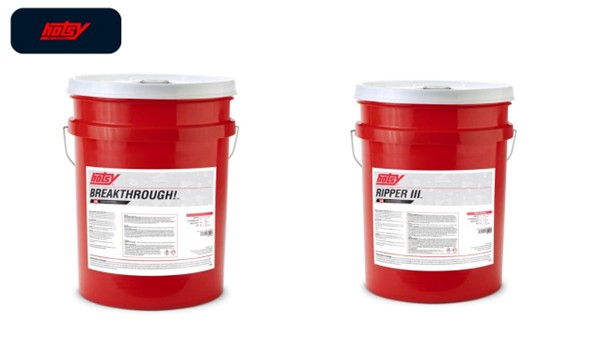
A driveway that looked freshly poured a year ago can turn gray, streaked, or oddly patchy fast, and the culprit usually isn't dirt alone.
Oil stains, mildew, and mineral buildup all behave differently on concrete, which is precisely why plain water from a pressure washer often isn't enough to lift them. That’s why getting a slab looking clean again, and keeping it that way, usually comes down to picking the right chemicals for pressure washing concrete.
In A Nutshell
- Which cleaning agents actually lift oil, grease, and grime off concrete?
- How do acid-based cleaners handle rust stains and mineral buildup?
- What to use for mildew, algae, and old sealant without damaging the surface?
Which Chemicals for Pressure Washing Concrete to Choose?
Not every stain on concrete responds to the same treatment, so it helps to match the chemical to the problem before turning on the machine. Picking the right chemicals for pressure washing concrete usually starts with figuring out what's actually causing the discoloration in the first place.
Degreasers and Alkaline Cleaners for Oil & Grime
Driveways, garage floors, and loading areas tend to collect oil drips and grease over time, and that kind of buildup settles deep into the pores of the concrete instead of just resting on top. An alkaline degreaser is usually the first thing worth reaching for here, since it breaks the oil down chemically rather than relying on water pressure alone to push it around.
Once it's had a few minutes to sit, most of the grime lifts away on its own. This is one of the more common chemicals for pressure washing concrete simply because so many stains start with oil in the first place, whether that's from a car, machinery, or everyday foot traffic.
Acid-Based Cleaners for Rust & Mineral Stains
Rust spots and the chalky white buildup known as efflorescence need a different approach altogether, since alkaline cleaners barely touch them.
A mild acid-based cleaner, often built around phosphoric or muriatic acid at a diluted strength, reacts with the minerals and rust to loosen them from the surface. A few points worth keeping in mind before using one:
- Always dilute according to the label, since full-strength acid can etch or discolor concrete.
- Rinse thoroughly afterward to stop the acid from continuing to react.
- Wear gloves and eye protection, since these solutions can irritate skin and eyes on contact.
Handled carefully, this step can bring back a slab's original color without needing to reseal or resurface it.
Mildew, Algae, & Sealant Removers for Shaded Areas
Spots that stay damp or shaded for most of the day, like the north side of a house or under a covered patio, tend to grow algae and mildew instead of collecting oil. A chlorine-based or oxygen bleach cleaner usually handles this well, since it kills the organic growth at the surface instead of just knocking it loose.
For aging concrete with a failing sealant coat, a dedicated stripper is worth using first so the new cleaner can actually reach the concrete underneath. A few options tend to cover most situations:
- Sodium hypochlorite blends for stubborn algae and mildew.
- Oxygen bleach for a gentler option around plants and landscaping.
- Citrus-based strippers for lifting old, peeling sealant.
Picking the right one of these chemicals for pressure washing concrete usually comes down to how sensitive the surrounding landscaping is and how old the existing sealant happens to be.
Conclusion
Cleaning concrete well isn't really about scrubbing harder; it's about matching the chemical to whatever is actually causing the stain, whether that's oil, rust, mildew, or old sealant. Getting that pairing right protects the surface instead of wearing it down over time.
For anyone managing a larger property or a commercial lot, sourcing reliable commercial pressure washing chemicals in Richmond VA, from a supplier who can walk through the right mix for each surface tends to save both time and money in the long run.
