What Are the Total Cost Differences Between Cordless and Gasoline Lawn Mowers for Fleet
Author : HitokaCece HitokaCece | Published On : 21 Sep 2026
Fleet operators evaluating the switch from gasoline to cordless lawn mowers need to look beyond the purchase price. The total cost of ownership includes fuel or energy, maintenance, battery replacement, and downtime. Understanding these cost components helps fleet managers make informed decisions that balance upfront investment with long term savings.
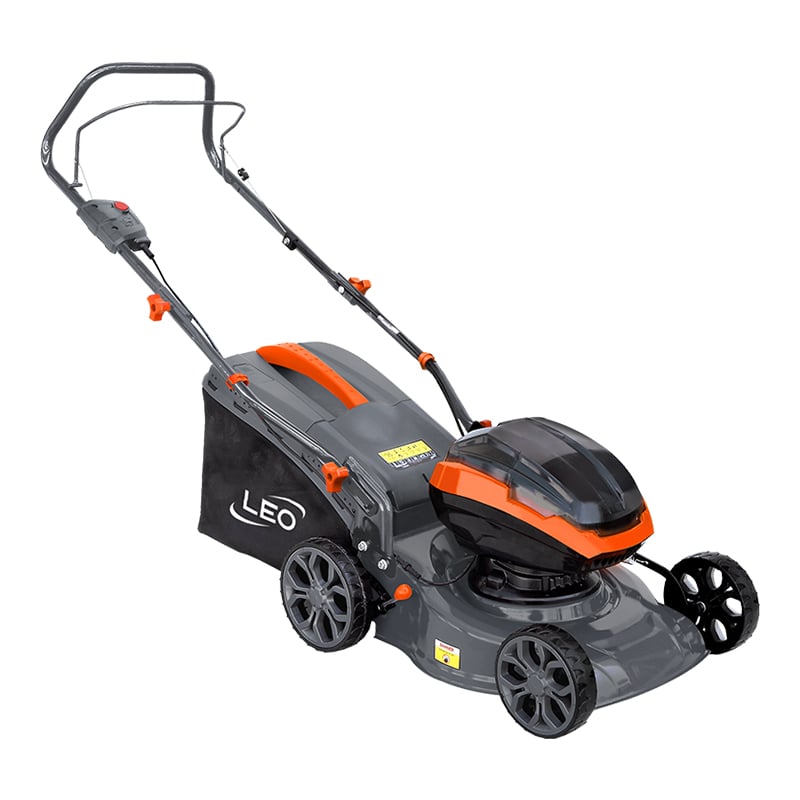
Cordless Lawn Mower Upfront Cost vs Gasoline
The upfront cost of a cordless lawn mower is typically higher than a comparable gasoline model. Battery-powered walk-behind mowers generally range from $300 to $1,000, while gasoline mowers often fall under $500. The difference is larger for commercial-grade equipment. However, the upfront cost gap has been narrowing as battery technology improves and production volumes increase.
For fleet purchases, the calculation is more complex than a single unit comparison. A fleet needs multiple batteries and chargers to maintain continuous operation. The cost of spare batteries and charging infrastructure must be included in the upfront investment. Buyers should also consider whether the mower is sold as a kit with batteries and charger or as a bare tool. Bare tool options can reduce upfront cost if the fleet already has compatible batteries.
Gasoline Lawn Mower Operating Costs
Operating costs are where the economics shift. A typical 21-inch push gasoline mower consumes about a quarter gallon of fuel per hour. At current fuel prices, this adds up quickly for commercial fleets that mow many hours per week. Cordless mowers use electricity, which is significantly cheaper per mow. The energy required to charge a battery costs only pennies, compared to the dollars spent on gasoline.
Maintenance costs also favor cordless mowers. Gasoline engines require regular oil changes, air filter replacements, spark plug changes, and blade sharpening. Cordless mowers have fewer moving parts and no engine oil to change. The brushless motors used in quality cordless mowers are designed to last the life of the tool with minimal maintenance. Over a five-year period, the maintenance savings can be substantial.
Commercial Mower Battery Replacement and Fleet Planning
Battery replacement is the main long term cost for cordless mowers. Lithium-ion batteries have a limited number of charge cycles, typically 1,000 to 2,000 cycles before capacity drops significantly. For a commercial fleet that uses batteries daily, replacement may be needed every two to three years. The cost of replacement batteries must be factored into the total cost of ownership.
Fleet planning should include battery management practices that extend battery life. Storing batteries at 30 to 50 percent charge in a cool, dry location and avoiding temperature extremes can significantly extend their service life. Fleets should also standardize on a battery platform across their equipment to simplify inventory and reduce the number of spare batteries needed. A well managed cordless fleet can achieve lower total cost of ownership than a gasoline fleet over a five to ten year period.
Conclusion
The total cost of ownership for cordless and gasoline lawn mowers depends on usage patterns, fuel prices, maintenance costs, and battery life. Cordless mowers have higher upfront costs but lower operating and maintenance expenses. Gasoline mowers have lower upfront costs but higher ongoing expenses. Fleet operators should calculate the total cost over the expected service life before making a decision.
