What Are the Possible Risks and Complications of a Tummy Tuck in Islamabad?
Author : glamorous Clinic | Published On : 22 Oct 2026
Every operation carries risk, so what should you know before you say yes?
Introduction
Anyone thinking about abdominal surgery deserves a straight answer about what can go wrong. Tummy Tuck in Islamabad is a major operation, and like any surgery under anaesthesia it carries risks that range from minor and common to rare and serious. The risk is lower for healthy non-smokers who follow their surgeon’s advice, but no surgeon can honestly say it is zero. Knowing the possible complications, how they are managed and which warning signs matter helps you decide with open eyes. This article sets out the main risks in plain language, without exaggeration and without playing them down.
Is a tummy tuck a safe operation?
A tummy tuck can be performed safely when the patient is well chosen, the surgeon is properly trained and the aftercare is followed. That is not the same as risk-free, and any clinic that suggests otherwise should make you cautious. It is a longer operation than many cosmetic procedures, with a real recovery period and a wound across the lower abdomen. Safety depends on your health, your weight, your habits and the quality of planning. The best protection is honest information shared both ways before surgery.
What are the most common complications?
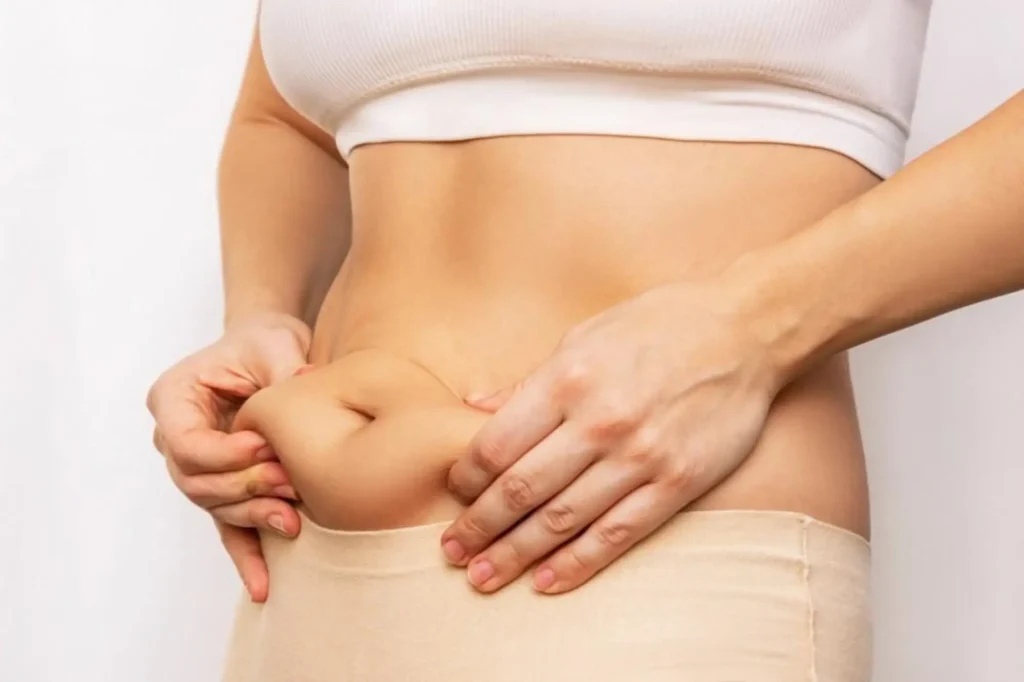
Some problems are relatively common and usually manageable. Swelling, bruising and tightness are expected, and fluid can collect under the skin, which is called a seroma and may need to be drained. Small areas of delayed wound healing can occur, especially near the centre of the incision, and temporary numbness across the lower abdomen is also common. Scars may be thicker, wider or more visible than hoped. Your surgeon will explain which of these are likely in your case and how they are treated.
What are the more serious but rare risks?
Less common problems need prompt medical attention. They include infection, bleeding or a collection of blood called a haematoma, and blood clots in the legs that can travel to the lungs. Skin or fat near the wound can also lose blood supply, leading to tissue damage that heals slowly. Anaesthesia carries its own risks, which the anaesthetist will review with you. These events are not expected in most patients, but they are the reason surgeons insist on health checks, careful technique and follow-up visits.
Risks at a glance
| Risk | What it means | How it is usually reduced |
|---|---|---|
| Seroma | Fluid collecting under the skin | Compression garment, drains if used, follow-up checks |
| Infection | Bacteria entering the wound | Sterile technique, wound care, antibiotics if advised |
| Delayed healing | Parts of the wound close slowly | Not smoking, good nutrition, limiting tension |
| Blood clots | Clots forming in leg veins | Early walking, movement, medical assessment |
| Scarring | Thick or wide scars | Scar care as advised, avoiding strain on the wound |
How can scarring and contour problems occur?
Every tummy tuck leaves a scar, and how it looks depends on genetics, wound tension, smoking and skin type. Contour irregularities, such as lumps, dog-ears at the ends of the incision or slight asymmetry, can also occur. Some settle with time and massage, while others may need a minor correction later. A small number of patients are not satisfied and ask for revision, which means another procedure. Being clear about this before surgery helps you judge whether the trade-off is worth it for you.
Why does smoking raise the risk?
Nicotine narrows small blood vessels and reduces the oxygen reaching healing skin. Because a tummy tuck involves lifting a large area of skin, a good blood supply is essential. Smokers are more likely to suffer delayed healing and wound breakdown, and many surgeons ask patients to stop well before and after surgery. This includes vapes and nicotine patches, which can have similar effects on blood vessels. Be honest with your surgeon about smoking, because hiding it puts you at higher risk.
Which health conditions can increase the risk?
Obesity, diabetes, high blood pressure, heart or lung problems, clotting disorders and some medicines can raise the risk of complications. A history of blood clots matters particularly, as does a weight that is still changing. These factors do not always mean surgery is impossible, but they may mean waiting, extra tests or choosing a different plan. In some cases the safest advice is not to operate at all, and a good surgeon will say so. If a tummy tuck is not suitable, other cosmetic surgery options may be discussed instead.
How can you lower the risk before and after surgery?
Before surgery, be honest about your medical history, stop smoking, reach a steady weight and follow all instructions about medicines. Afterwards, wear your compression garment, take short walks as advised, avoid heavy lifting and attend every follow-up visit. The clinic’s aftercare steps are worth reading before you commit. Contact your surgeon promptly if you notice fever, spreading redness, heavy bleeding, severe one-sided calf pain or swelling, chest pain or trouble breathing. In an emergency, seek urgent medical care straight away.
How does the choice of surgeon and clinic matter?
Training, experience and a willingness to say no all influence safety. Check a surgeon’s qualifications, ask how complications are handled and make sure the clinic is properly licensed. You can review Dr. Ahmed Ali’s surgeon’s qualifications before you book a visit. A good consultation covers risks as seriously as results, and it should never feel rushed. If you leave a consultation with only good news, ask more questions.
FAQs
Can complications be avoided completely?
No. Careful planning and good aftercare lower the chances, but no surgeon can remove risk entirely.
What is the most common problem after a tummy tuck?
Swelling, bruising and fluid collection are among the most common, and most are manageable.
When should I call my surgeon urgently?
For fever, spreading redness, heavy bleeding, calf pain or swelling, chest pain or breathlessness.
Will I need a second operation?
Some patients need a minor revision. Many do not, but it cannot be ruled out.
How do I discuss my own risks?
Book a consultation. Glam Aesthetics offers a free one by form, phone or WhatsApp.
Final Thoughts
A tummy tuck is a meaningful operation with real benefits for the right person, and real risks for everyone. The aim of reading about complications is not to frighten you but to help you prepare properly. Healthy habits, honest conversations and a qualified surgeon do more to protect you than any promise of a perfect result. If you decide to go ahead with a tummy tuck in Islamabad, do so because the benefits matter to you more than the risks you now understand, not because you were told there were none.
About the doctor and clinic
Medically reviewed by Dr. Ahmed Ali, Plastic and Reconstructive Surgeon
Dr. Ahmed Ali is the Plastic and Reconstructive Surgeon at Glamorous Aesthetics Clinic (Glam Aesthetics), an IHRA-licensed clinic in Islamabad. His training includes an MBBS from Ayub Medical College, an FCPS in Plastic Surgery and a Clinical Fellowship in Plastic Surgery at Fauji Foundation Hospital Rawalpindi, completed between 2020 and 2023.
Clinic: Glamorous Aesthetics Clinic (Glam Aesthetics)
Address: Office 20-21, Basement, Interlace Plaza, I-8 Markaz, Islamabad
Phone / WhatsApp: +92 327 5479779
Email: [email protected]
Timings: Open 24 hours, Monday to Sunday
Consultation: Free consultation. Book now
Last updated: 22 October 2026
This article is for general information only and does not replace personal medical advice from a qualified surgeon.
