What Are the Key Factors in Choosing Self Adhesive Film for Vehicle Wraps and Fleet Graphics?
Author : HitokaCece HitokaCece | Published On : 13 Jul 2026
Introduction
Vehicle wraps are among the most visible and impactful forms of outdoor advertising. A wrapped fleet of vehicles turns every mile into a mobile billboard, delivering thousands of impressions daily. But the success of a vehicle wrap depends entirely on the quality of the self adhesive film used. I have seen wraps that looked stunning on day one but failed within months due to poor material choices—lifting edges, fading colors, or adhesive failure on curves. I have also seen wraps that remained flawless for years, protecting the underlying paint and delivering a consistent brand message. The difference is the self adhesive film. In this article, I want to share what I have learned about choosing self adhesive film for vehicle wraps and fleet graphics.
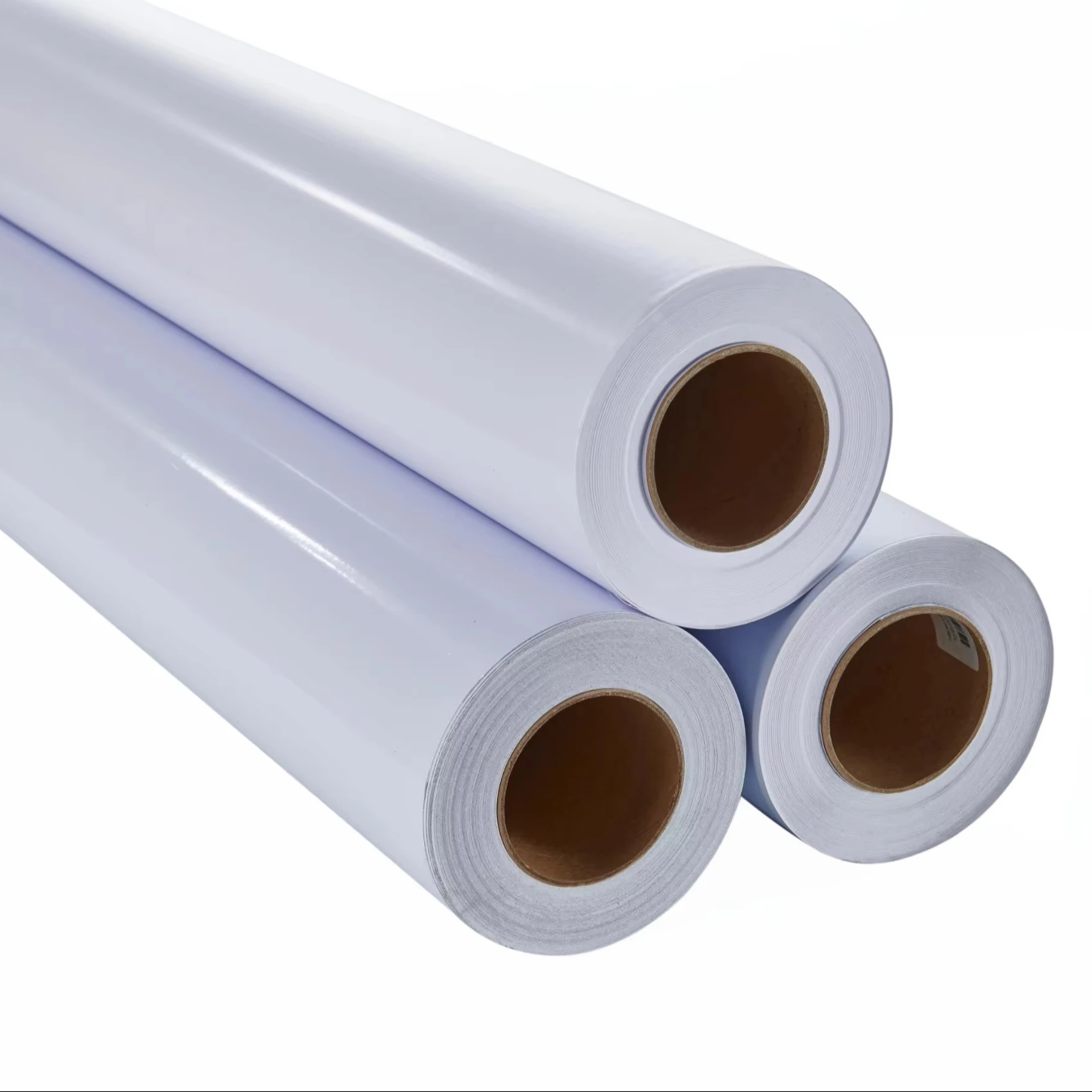
Self Adhesive Film Cast vs Calendered Vinyl
The first and most important decision in selecting self adhesive film for vehicle wraps is choosing between cast and calendered vinyl. Cast vinyl is manufactured through a process that creates a thin, highly conformable film that is ideal for wrapping vehicles with complex curves and contours. The casting process aligns the polymer molecules in a way that gives the film exceptional flexibility and dimensional stability. Cast vinyl conforms to curves without lifting, stretches without tearing, and maintains its color and adhesive properties over years of outdoor exposure. Calendered vinyl is manufactured through a different process that produces a thicker, stiffer film. While calendered vinyl is more affordable and suitable for flat or gently curved surfaces, it does not conform well to complex curves and is more prone to shrinking and adhesive failure over time. For professional vehicle wraps, cast vinyl is the industry standard. I have worked with wrap installers who tried to use calendered vinyl on vehicles to save costs, only to have the wrap fail within months. The cost of redoing the wrap far exceeded the savings. For fleet graphics that need to last, cast vinyl is not optional—it is essential.
Self Adhesive Film Air Release Technology
Air release technology is a game-changer for vehicle wrap installation. Traditional self adhesive films trap air between the adhesive and the vehicle surface, resulting in bubbles that are difficult to remove. Air release films feature a micro-textured adhesive surface that allows air to escape during installation, preventing bubbles and enabling smooth, bubble-free application. This technology dramatically reduces installation time and improves the quality of the finished wrap. The adhesive must also be repositionable during installation, allowing the installer to adjust the film before it achieves full bond strength. This repositionability is critical for wrapping complex curves and ensuring perfect alignment. Once the film is in place, the adhesive should cure to a permanent bond that withstands the rigors of the road. When selecting self adhesive film for vehicle wraps, look for products that combine air release technology with a high-performance adhesive system. I have seen installation times cut in half simply by switching to a film with air release technology. The investment in premium film pays for itself through faster installation and fewer callbacks.
Self Adhesive Film Overlaminate Protection
Vehicle wraps face a relentless assault of UV radiation, road debris, bird droppings, tree sap, and harsh cleaning chemicals. Without protection, even the best self adhesive film will degrade over time. This is where overlaminates come in. A protective overlaminate is a clear film applied over the printed wrap that adds a layer of protection against these environmental threats. UV-stable overlaminates block the UV radiation that causes fading and yellowing, extending the life of the wrap significantly. Scratch-resistant overlaminates protect against abrasion from washing, road debris, and everyday handling. Chemical-resistant overlaminates protect against fuel spills, cleaning agents, and other chemicals that might damage the print. Overlaminates are available in gloss and matte finishes, allowing the wrap installer to choose the desired visual effect. Gloss overlaminates enhance color vibrancy and create a shiny, polished look. Matte overlaminates reduce glare and provide a sophisticated, understated finish. I have worked with fleet managers who skipped the overlaminate to save costs, only to see their wraps fade and degrade within a year. The overlaminate is not an extra—it is an essential part of a professional vehicle wrap.
Conclusion
Choosing the right self adhesive film for vehicle wraps and fleet graphics requires careful evaluation of cast versus calendered vinyl, air release technology, and overlaminate protection. By investing in cast vinyl for conformability, air release films for efficient installation, and protective overlaminates for long-term durability, you can achieve wraps that look professional, last for years, and deliver a consistent brand message. In the world of vehicle advertising, where every mile counts, the right self adhesive film is not just a material—it is a mobile investment in your brand.
