What Are the Key Advantages of Pre-Engineered Metal Buildings for Commercial Projects?
Author : HitokaCece HitokaCece | Published On : 13 Aug 2026
Introduction
If there is one construction method that has truly revolutionized commercial building, it is the pre-engineered metal building. I have managed projects where traditional construction would have taken 18 months, and we delivered a pre-engineered metal building in just 6 months—with better quality and lower cost. The global prefab steel buildings market is expected to grow from $14.27 billion in 2025 to $20.90 billion by 2032, and for good reason. Pre-engineered metal buildings deliver speed, efficiency, and reliability that conventional methods simply cannot match. Let me explain the key advantages that make PEB systems the preferred choice for commercial projects worldwide.
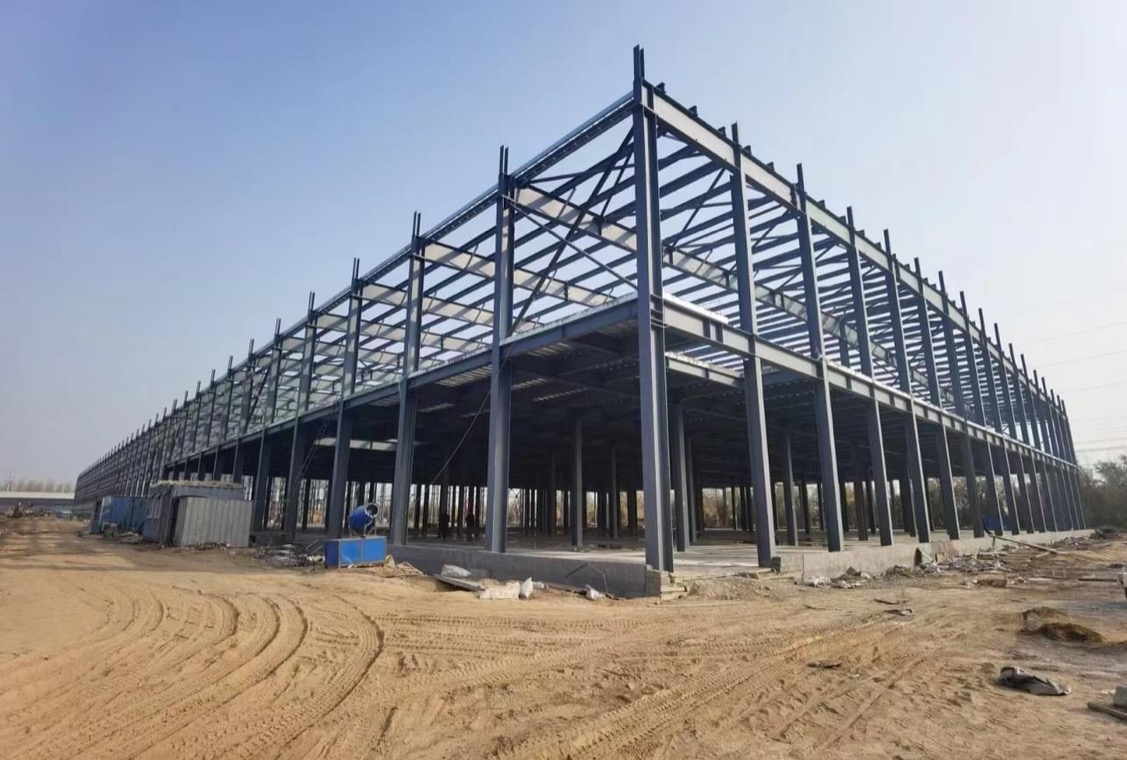
Optimized Engineering and Material Efficiency of Pre-Engineered Metal Buildings
The core advantage of a pre-engineered metal building lies in its optimized design approach. Unlike conventional construction, where members are often over-specified, PEB systems use advanced engineering analysis to design each structural member according to actual load requirements. This results in reduced steel consumption, lighter structural weight, and improved cost efficiency. The tapered columns and rafters typical of PEB systems place material exactly where it is needed most, eliminating waste. For commercial projects, this optimized engineering translates directly into lower material costs and a more competitive project budget. When evaluating a pre-engineered metal building, look for a supplier who conducts thorough engineering analysis tailored to your specific project conditions.
Factory Fabrication and Rapid Installation of Pre-Engineered Metal Buildings
All major components of a pre-engineered metal building are fabricated under factory-controlled conditions, ensuring consistent quality and precision. This factory fabrication eliminates the weather delays and quality variations common in field construction. Components are then assembled on-site using bolted connections, enabling faster project delivery and consistent construction quality. The elimination of field fabrication is what saves time—while manufacturing takes the same 2-3 weeks either way, the on-site assembly is significantly faster. For commercial project owners, this means earlier occupancy, faster return on investment, and reduced financing costs. A pre-engineered metal building can often be erected in a fraction of the time required for conventional construction.
Design Flexibility and Expansion Capability of Pre-Engineered Metal Buildings
One of the most underappreciated advantages of pre-engineered metal buildings is their design flexibility. These buildings can accommodate a wide range of commercial applications—from office buildings and retail spaces to warehouses and logistics centers. Clear-span widths of 40-90 meters allow for flexible interior layouts without the obstruction of interior columns. Future expansion is also straightforward—most PEB systems can be designed with expansion options in mind, allowing for extensions with minimal disruption to ongoing operations. This flexibility means your pre-engineered metal building can grow with your business, protecting your investment for the long term. When planning your project, discuss potential future expansion scenarios with your supplier to ensure the building system can accommodate them.
Conclusion
Pre-engineered metal buildings offer compelling advantages for commercial projects: optimized engineering that reduces material waste, factory fabrication that ensures quality and speeds installation, and design flexibility that accommodates future growth. The global market for prefab steel buildings is growing rapidly, and the reasons are clear. By choosing a pre-engineered metal building, commercial project owners can achieve faster delivery, lower costs, and greater long-term value than traditional construction methods can provide.
