What Are the Global Trends Shaping the Edible Mushroom Market?
Author : HitokaCece HitokaCece | Published On : 13 Aug 2026
Introduction
The edible mushroom market is at a pivotal moment. Valued at $73.14 billion in 2025, it is projected to grow to $79.83 billion in 2026 at a compound annual growth rate of 9.2%. The industry is moving from a niche fresh-produce category to a strategic food, ingredient, and biotechnology platform. Demand is supported by verified consumer shifts toward plant-forward diets, high-protein foods, and culinary convenience. The landscape is being reshaped by the convergence of health-focused eating, sustainable agriculture, and premium culinary experiences. Let me explain the global trends shaping the edible mushroom market.
Health and Wellness Trends in the Mushroom Market
Consumer interest in health and wellness is a primary driver of mushroom market growth. Verified consumer shifts toward plant-forward diets and high-protein foods support increasing demand. Interest in nutraceutical and pharmaceutical applications is expanding, driving cross-disciplinary research into bioactive compounds and extraction technologies. Mushrooms are increasingly recognized for their nutritional benefits and functional properties, moving beyond traditional culinary applications into dietary supplements and functional foods. This health and wellness trend is driving demand for both traditional varieties such as white button mushrooms and specialty mushrooms with documented health benefits.
Culinary Innovation and Specialty Mushroom Demand
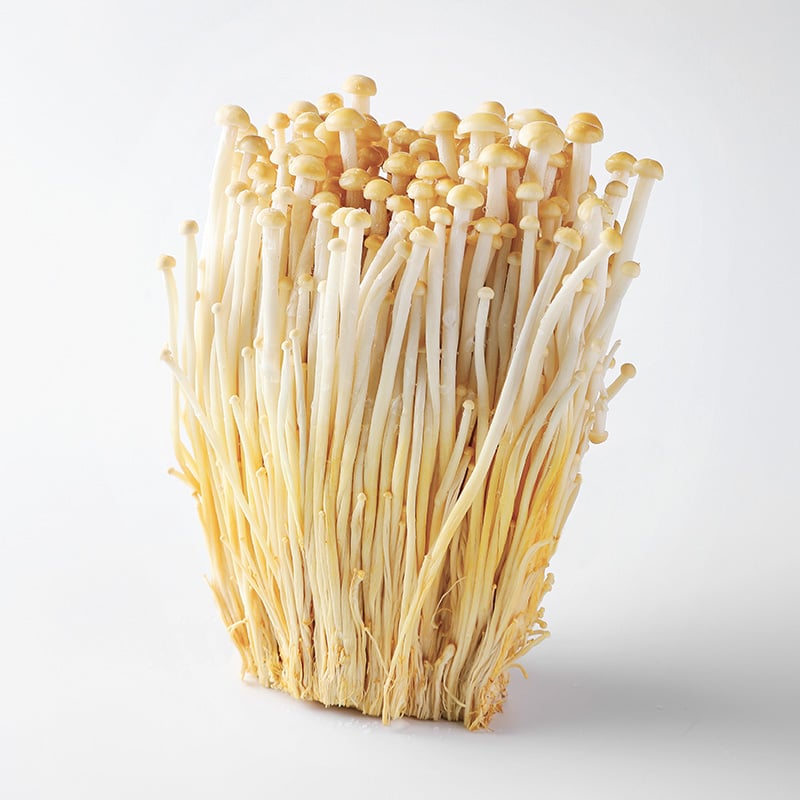
Culinary innovation is fueling demand for specialty mushrooms. Product diversification is accelerating, with traditional varieties complemented by specialty mushrooms and value-added formats that cater to culinary experimentation. Consumers and chefs alike are seeking unique flavors, textures, and culinary experiences. Exotic mushroom consumption is growing, and the eco mushroom segment is increasing. This trend is creating opportunities for producers and suppliers of specialty mushrooms, including varieties such as king oyster, enoki, shiitake, maitake, and others. For buyers, this means a broader range of products and the need to stay informed about emerging varieties and applications.
Sustainability and Technological Advancement in Mushroom Production
Sustainability and technology are reshaping mushroom production. Investment in controlled-environment agriculture and advanced post-harvest processing has increased the reliability of supply and enabled new formats that extend shelf life. Agricultural residues such as bagasse, wood chips, and corn cobs are increasingly used as substrate materials, supporting both yield and sustainability. Intelligent technologies are helping producers scale up operations, creating growing environments that can ensure year-round production. Industry consolidation is another key trend, with larger producers acquiring smaller operations to achieve economies of scale. These trends are making mushroom production more efficient, sustainable, and reliable.
Conclusion
The edible mushroom market is being shaped by several transformative trends: health and wellness eating patterns driving demand for both traditional and functional mushrooms, culinary innovation fueling interest in specialty varieties, and sustainability and technological advancement improving production efficiency and reliability. The market is growing from $73.14 billion in 2025 to an estimated $123.7 billion by 2034. By understanding these trends, buyers, producers, and investors can position themselves to capture opportunities in the expanding global mushroom market.
