What Are the Benefits of PPR Pipe in Modern Plumbing Systems?
Author : HitokaCece HitokaCece | Published On : 13 Aug 2026
Introduction
PPR pipe has transformed modern plumbing with its combination of high-temperature resistance, durability, and reliable jointing. I have worked on plumbing projects where PPR pipe delivered decades of leak-free service, handling both hot and cold water without the corrosion issues that plague metal pipes. PPR pipe—also known as polypropylene random copolymer pipe—is lightweight, easy to install, and resistant to the chemicals and scaling that affect other pipe materials. Let me explain the benefits of PPR pipe in modern plumbing systems.
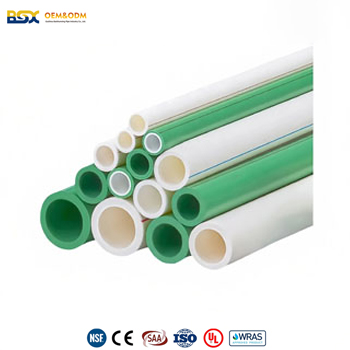
Temperature Resistance of PPR Pipe
The most significant advantage of PPR pipe is its ability to handle high temperatures. PPR pipe can withstand continuous operating temperatures of up to 70°C for hot water and up to 95°C for short periods, making it ideal for hot water plumbing systems. The material maintains its mechanical properties at elevated temperatures, providing reliable performance over decades of service. For chilled water systems, PPR pipe performs well at low temperatures without becoming brittle. The temperature resistance of PPR pipe makes it suitable for both hot and cold water applications in residential, commercial, and industrial buildings.
Heat Fusion Jointing of PPR Pipe
PPR pipe uses heat fusion jointing, a process that creates homogeneous, leak-proof connections. The pipe ends and fitting are heated simultaneously to the fusion temperature (typically 260°C), then pressed together to form a joint that is as strong as the pipe itself. Heat fusion eliminates the leak paths found at threaded or mechanical joints, providing reliable, permanent connections. The fusion process for PPR pipe is quick and does not require specialized skills or complex equipment. For plumbing systems, heat fusion jointing ensures that every connection is strong, durable, and leak-free for the life of the system.
Corrosion Resistance and Longevity of PPR Pipe
PPR pipe is immune to the corrosion and scaling that affect metal pipes. The smooth internal surface of PPR pipe prevents scale buildup and maintains flow efficiency over decades. The material is resistant to most acids, alkalis, and salts, making it suitable for a wide range of water qualities. PPR pipe has a service life exceeding 50 years in normal operating conditions, with low maintenance requirements. The combination of corrosion resistance and long service life makes PPR pipe a cost-effective choice for modern plumbing systems.
Conclusion
PPR pipe offers significant benefits in modern plumbing systems: temperature resistance that handles hot water up to 70°C continuous, heat fusion jointing that provides leak-proof connections, and corrosion resistance that ensures long service life. By choosing PPR pipe for plumbing applications, engineers and contractors can build reliable, long-lasting systems that require minimal maintenance and deliver consistent performance.
