What Are the Benefits of High-Density Fiber Patch Panels in Modern Data Centers?
Author : HitokaCece HitokaCece | Published On : 13 Aug 2026
Introduction
Space is the most valuable real estate in any data center, and high-density fiber patch panels are the answer to the relentless demand for more ports in less space. I have seen data centers where high-density patch panels doubled the fiber capacity of the same floor space, delaying the need for expensive facility expansion. High-density fiber patch panels use advanced connector technologies and clever design to pack more ports into every rack unit. Let me explain the benefits of high-density fiber patch panels in modern data centers.
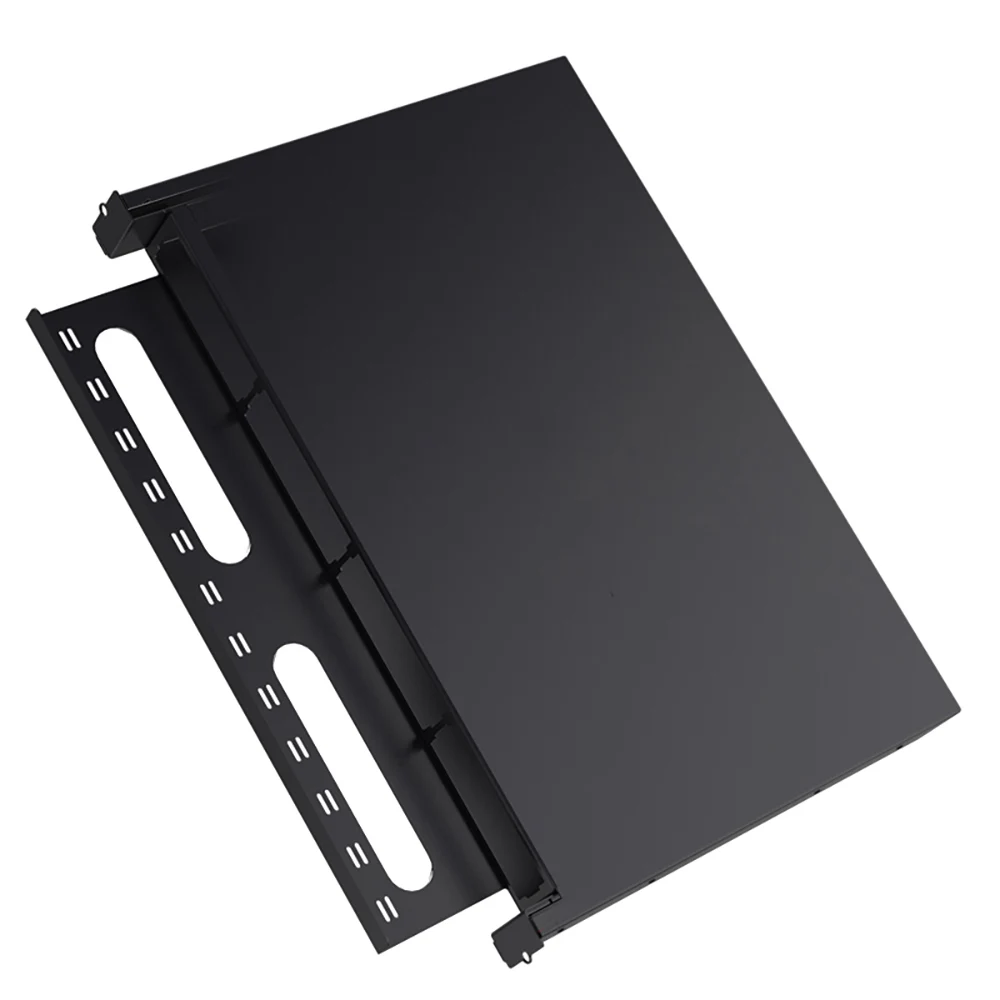
Space Efficiency and Cost Savings of High-Density Fiber Patch Panels
The primary benefit of high-density fiber patch panels is space efficiency. By supporting more ports per rack unit, these panels reduce the number of racks required for a given fiber count. A 1U high-density patch panel can support 96 LC ports or 72 MPO ports, compared to 24-48 ports for standard panels. This space efficiency translates directly into cost savings—fewer racks mean less floor space, lower cooling requirements, and reduced capital expenditure. For data centers where floor space is at a premium, high-density fiber patch panels can delay or eliminate the need for facility expansion, delivering significant cost savings over the life of the data center.
Scalability and Support for High-Speed Applications
High-density fiber patch panels support the evolution of data center networks to higher speeds. With the transition from 40G to 100G to 400G and beyond, fiber counts are increasing rapidly. High-density patch panels provide the port capacity needed to support these high-speed applications without consuming additional rack space. MPO-based high-density panels support multi-fiber connections that are essential for 400G and 800G applications. Modular high-density panels allow for easy upgrades—cassettes can be swapped to support different connector types and fiber counts as network requirements evolve. High-density fiber patch panels provide the scalability needed to support data center growth for years to come.
Modular Design and Flexibility of High-Density Fiber Patch Panels
Modern high-density fiber patch panels feature modular designs that provide flexibility for different applications. Modular panels use interchangeable cassettes or modules that can be configured with various connector types and fiber counts. This modularity allows the same panel to support LC, SC, or MPO connectors, adapting to different network requirements. Some panels support both 12-fiber and 24-fiber base configurations, providing flexibility for different cabling architectures. The modular design also simplifies moves, adds, and changes—individual cassettes can be replaced without disturbing other connections. High-density fiber patch panels with modular design provide the flexibility to adapt to changing network needs.
Conclusion
High-density fiber patch panels offer significant benefits for modern data centers: space efficiency that reduces floor space and costs, scalability that supports high-speed applications, and modular design that provides flexibility for evolving network requirements. By deploying high-density fiber patch panels, data center operators can maximize the use of valuable space, support network growth, and simplify infrastructure management.
