What Are the Benefits of Ceramic Film for Automotive and Architectural Applications?
Author : HitokaCece HitokaCece | Published On : 13 Aug 2026
Introduction
Over the years in the window film industry, I have seen ceramic film emerge as the technology of choice for those who demand the best in heat rejection, UV protection, and durability. Ceramic film uses non-metallic ceramic particles that block infrared radiation without compromising visibility, keeping interiors cooler, protecting occupants from UV exposure, and lasting far longer than traditional films. Unlike metallic films that can interfere with electronic signals or dyed films that fade over time, ceramic film delivers consistent performance without compromise. Having worked with vehicle owners, building managers, and retail buyers across multiple regions, I have learned the many benefits of ceramic film for both automotive and architectural applications. In this article, I want to share the benefits of ceramic film.
Ceramic Film Heat Rejection and Thermal Comfort
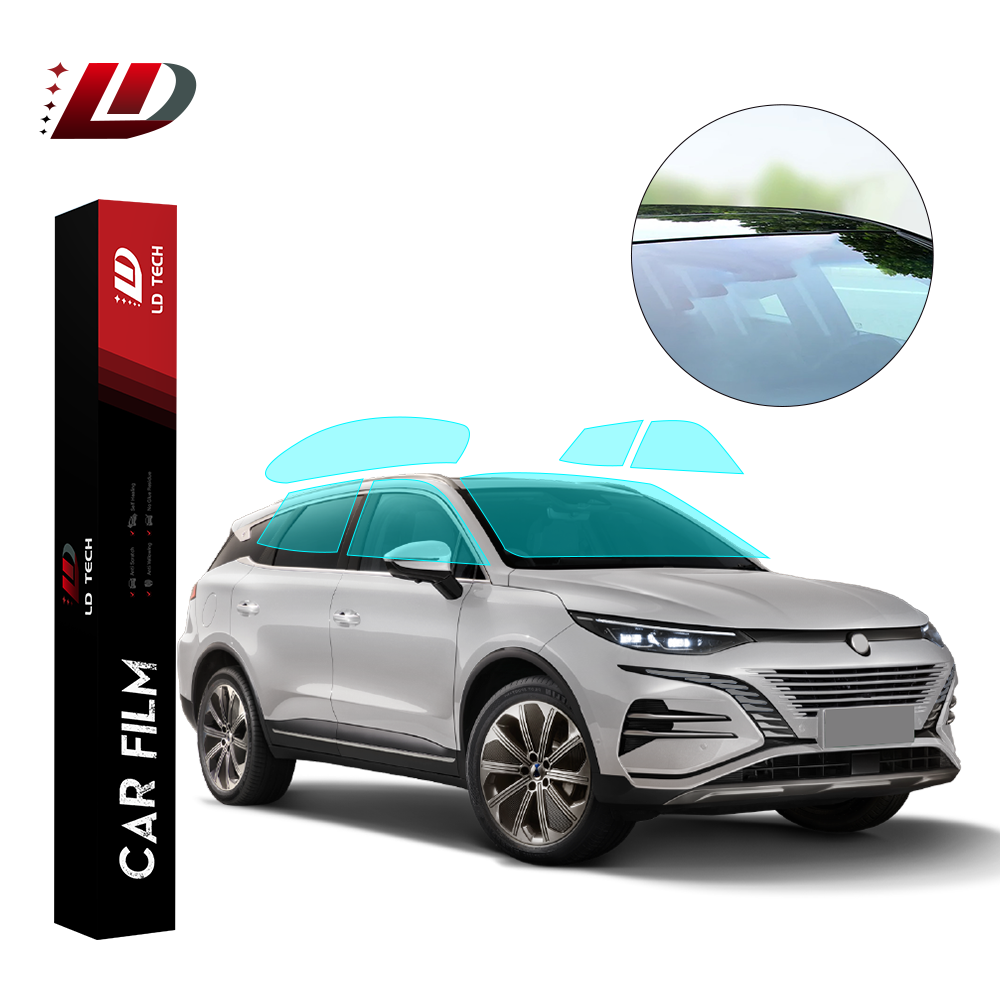
The most significant benefit of ceramic film is its superior heat rejection capability. Ceramic tint blocks up to 80–90% of infrared heat, the primary source of heat entering through windows. For automotive applications, this means the vehicle stays cooler, and the air conditioning system doesn't have to work as hard, improving fuel efficiency and range. For architectural applications, ceramic film reduces cooling loads, lowering energy costs and improving occupant comfort. Quality ceramic film rejects 50–80% of solar heat, and on a hot day, the difference between ceramic and poor-quality film can be 10–20°F in interior temperature. Unlike standard dyed films that absorb some heat but offer limited performance, ceramic films reject heat without relying on color or reflectivity, maintaining a natural window appearance while delivering superior performance. For both vehicle owners and building managers, the thermal comfort provided by ceramic film is immediately noticeable and contributes significantly to satisfaction and energy savings.
Ceramic Film UV Protection and Interior Preservation
The second major benefit of ceramic film is its superior UV protection. Ceramic films block up to 99.9% of harmful UV rays that cause furnishings to fade and can cause skin damage. For automotive applications, this protection preserves the vehicle's interior—seats, dashboard, and trim—preventing cracking, fading, and deterioration caused by UV exposure. For architectural applications, UV protection preserves carpets, furniture, and artwork, reducing replacement costs and maintaining the building's appearance. The UV protection provided by ceramic film is also a health benefit, reducing occupants' exposure to harmful radiation. Unlike standard films that may lose UV-blocking effectiveness over time, ceramic films maintain their UV protection for the life of the film. For building owners and vehicle owners alike, the UV protection provided by ceramic film is a significant benefit that protects both investment and health.
Ceramic Film Durability, Clarity, and Signal Compatibility
The third key benefit of ceramic film is its exceptional durability, clarity, and signal compatibility. Ceramic film typically lasts 10–15 years, significantly longer than dyed films (5–7 years) or carbon films (7–10 years). The non-metallic nature of ceramic films means they do not interfere with cell phone signals, GPS, or radio reception—a common issue with metallic films. The nano-ceramic particles provide exceptional optical clarity with minimal distortion, maintaining a natural window appearance while delivering superior performance. For both automotive and architectural applications, the combination of durability, clarity, and signal compatibility makes ceramic film the premium choice for those who demand the best. While ceramic film generally costs 50–100% more than dyed film upfront, its longer lifespan and superior performance justify the investment over time.
Conclusion
Ceramic film delivers three key benefits for automotive and architectural applications: superior heat rejection that blocks up to 90% of infrared heat and keeps interiors cooler, UV protection that blocks 99.9% of harmful rays and preserves interiors and protects occupants, and exceptional durability, clarity, and signal compatibility that maintain performance and appearance for 10–15 years. For vehicle owners, building managers, and retail buyers, ceramic film represents the best in window film technology—a premium investment that delivers superior comfort, protection, and long-term value. In a world where performance matters, ceramic film is not just a film—it is the gold standard.
