What Are Common Restaurant Dress Code Requirements for Kitchen Staff?
Author : Larry Nixon | Published On : 11 Aug 2026
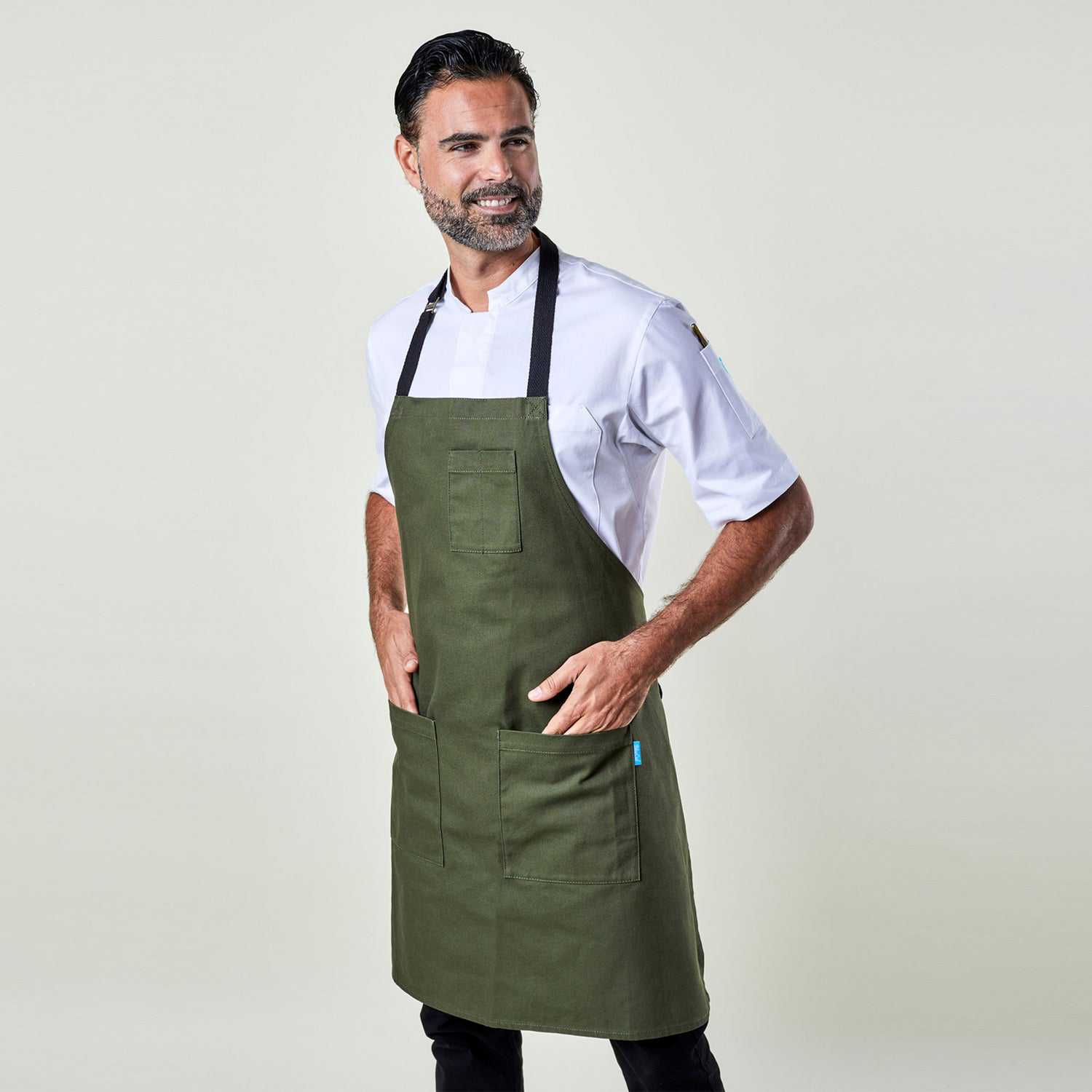
A clear restaurant dress code helps kitchen staff stay comfortable, protected, and professional throughout demanding shifts. Unlike front-of-house clothing, kitchen uniforms are designed around practical needs such as heat exposure, spills, movement, cleanliness, and food-service standards. Requirements can vary between restaurants, but most kitchens expect employees to follow basic guidelines covering chef coats, aprons, trousers, footwear, headwear, and personal presentation.
Chef Coats and Kitchen Shirts
A chef coat is one of the most recognizable parts of a professional kitchen uniform. Traditional coats provide coverage for the torso and arms while helping create a consistent appearance among culinary staff. Many restaurants prefer durable fabrics that can withstand frequent washing and repeated exposure to kitchen activity. Lightweight work shirts may also be used in warmer kitchens or less formal food-service environments. Regardless of the style, clothing should fit properly without restricting movement.
Aprons for Additional Protection
Aprons are another common requirement within a restaurant dress code. They provide an additional layer between the worker and common kitchen messes such as sauces, oils, flour, and food splashes. Depending on the position, restaurants may choose bib aprons, waist aprons, or other practical designs. A well-designed apron can also include useful pockets for small tools. Durable construction and comfortable straps are especially important when staff members wear aprons for long shifts.
Appropriate Kitchen Trousers
Kitchen trousers should offer comfort, flexibility, and adequate coverage. Staff members frequently bend, lift, walk, and work around hot equipment, so restrictive clothing is generally unsuitable. Many restaurants select trousers made from hard-wearing fabrics that are easy to launder. Darker colors and subtle patterns are often practical because they can help create a neat appearance during busy service periods.
Slip-Resistant Footwear
Proper footwear is an important part of any professional restaurant dress code. Kitchen floors can become wet, greasy, or slippery, making suitable work shoes essential. Restaurants commonly require closed-toe shoes with slip-resistant soles. Comfortable cushioning can also make a significant difference during long shifts, especially for chefs and other employees who spend most of the day standing or moving between workstations.
Headwear and Hair Control
Many kitchens require staff to wear appropriate headwear to support hygiene practices and maintain a tidy appearance. Chef hats, skull caps, kitchen caps, and other hair coverings may be included depending on the restaurant's policies. Employees with long hair are generally expected to secure it properly. The specific requirements may depend on local food-safety regulations and the restaurant's own hygiene procedures.
Clean and Well-Maintained Uniforms
Cleanliness is just as important as the individual pieces of clothing. A restaurant may require employees to begin each shift in clean, presentable garments without excessive stains, damage, or loose threads. Uniforms should be washed regularly and replaced when they no longer provide a professional appearance or practical performance. Establishing clear uniform expectations can make daily preparation easier for the entire kitchen team.
Choosing Practical Restaurant Workwear
When developing a restaurant dress code, managers should consider the actual working environment rather than focusing only on appearance. Kitchens with high temperatures may benefit from breathable fabrics, while busy operations may prioritize highly durable garments that tolerate frequent washing. BlueCut offers premium chef clothes and restaurant uniforms designed for demanding hospitality environments, including chef coats, aprons, work shirts, hats, and durable workwear. Custom options can also incorporate personalized fabrics, colors, trims, embroidery, and branding for a coordinated team appearance.
Conclusion
Common restaurant dress code requirements for kitchen staff typically include clean chef coats or work shirts, suitable aprons, comfortable trousers, slip-resistant footwear, and appropriate headwear. The best uniform combines professional presentation with practical protection and freedom of movement. By choosing well-designed workwear suited to the kitchen environment, restaurants can create a consistent team image while helping employees stay comfortable and prepared throughout every service.
