What Actually Happens When Comic Books Sit in Poor Storage?
Author : Little Star Storage | Published On : 11 Aug 2026
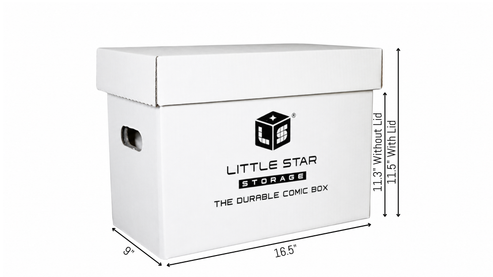
Comic books left in poor storage suffer rapid physical breakdown from moisture, heat swings, light, pests, and crushing weight. Pages yellow and grow brittle, covers fade or stick together, mold spreads, and spines crack until the books lose both readability and collector value. Proper comic book storage prevents these exact problems before they start.
Moisture Turns Paper Soft and Stained
Paper in comic books absorbs water from the air. High humidity above 50 percent lets fibers swell. Once swollen, the pages never return to their original tightness. Black spots appear first as foxing, then as full mold colonies that eat ink and leave a musty smell. Glue on the covers softens and lets pages pull free. Basements and garages often hold this damp air year-round. Even short spells of wet weather push relative humidity high enough to start the damage. Bags without acid-free barriers trap that moisture against the book instead of blocking it. Collectors who ignore humidity watch entire runs of titles turn soft and spotted within one or two seasons.
Temperature Swings Crack Spines and Warp Covers
Heat above 75 degrees Fahrenheit speeds chemical reactions inside the paper. Acids already present in older comics break down faster, turning white pages tan or brown. Cold below 50 degrees makes the same paper stiff and easy to tear when someone flips a page. Repeated moves between hot attics and cool rooms create expansion and contraction cycles. Spines that once lay flat now curve. Covers warp so the book no longer sits square on a shelf. Cardboard boxes left in uninsulated spaces amplify every outdoor temperature change. The result is a stack of comics that look and feel decades older than their print dates.
Light Bleaches Colors and Weakens Paper
Sunlight and strong indoor bulbs contain ultraviolet rays that break down ink pigments. Bright reds fade to pink, blues shift toward gray, and black lines lose sharpness. The paper itself yellows faster under constant light because the rays accelerate oxidation. Windows, display cases without UV filters, and open shelves under fluorescent tubes all deliver this damage. Even reflected light from nearby walls can bleach a cover over months. Once the color is gone, no restoration returns the original brightness. Collectors who keep books in dark, closed cabinets avoid this fading entirely.
Pests and Dust Eat Holes and Leave Residue
Silverfish, booklice, and certain beetles feed on the starches and glues found in comic paper. They leave tiny holes, chewed edges, and droppings that stain pages. Mice and rats gnaw larger sections and leave urine that soaks through multiple issues. Dust settles into every crease and mixes with skin oils from handling, creating a grimy film that attracts more insects. Open boxes or loose piles invite these invaders. Sealed plastic totes without ventilation can still hold enough food residue to support a colony if the books were handled with dirty hands. Regular inspection of any comic collection storage area stops infestations before they spread.
Crushing Weight and Bad Containers Break Bindings
Stacking comics without boards or boxes lets the weight of upper books bend the spines of those underneath. Soft covers crease permanently. Corners fold and become dog-eared. Cardboard boxes that are too full or too empty allow books to shift and rub against each other, wearing away surface ink. Cheap plastic bins off-gas chemicals that yellow paper faster. Horizontal stacking is safer than vertical for long-term rest, yet many people stand books on edge in overcrowded shelves where gravity pulls covers downward. Over years the cumulative pressure turns once-flat comics into misshapen objects that no longer fit standard protective supplies.
Value Drops Faster Than Most Collectors Expect
A comic graded 9.8 can fall to 6.0 or lower after only a few seasons of poor conditions. Market prices track conditions closely. A key issue that once sold for hundreds may bring only a fraction once mold, fading, or spine stress appears. Insurance claims often reject damage that stems from preventable storage mistakes. Future buyers examine every page under magnification and reject books that show signs of neglect. Time spent correcting earlier damage rarely recovers the full lost value. Prevention through solid comic book storage remains the only reliable way to keep numbers high.
Bottom Line
Good comic storage starts with controlling the conditions around each issue. A suitable box helps reduce exposure to the common threats that slowly damage paper, covers, and bindings. Proper storage also makes it easier to organize a collection without sacrificing protection. Little Star Storage offers sturdy cardboard comic storage boxes built to shield comics from the crushing weight, moisture absorption, temperature swings, light fading, and pest attacks that destroy books left in poor conditions. These boxes keep pages flat, covers unwarped, and spines intact while forming a practical comic book storage solution for any size of comic collection storage. Owners who move their issues into the boxes stop the yellowing, mold, and value loss described earlier and keep every title ready for long-term reading or sale.
