What Acne Treatment Helps Manage Hormonal Acne Breakouts?
Author : dynamic Healthcare | Published On : 15 Oct 2026
Hormonal acne is a common skin concern that can develop when changes in hormone levels influence oil production and contribute to blocked pores. These breakouts often appear around the chin, jawline, cheeks, and lower face, making skincare choices particularly important. Choosing suitable Acne Treatment in Dubai involves understanding the underlying triggers, identifying individual skin needs, and selecting an approach that supports clearer-looking skin without unnecessary irritation. A well-planned skincare routine, appropriate topical products, and professional medical guidance can help people manage hormonal acne more thoughtfully.
Understanding the Nature of Hormonal Acne
Hormonal acne develops when hormonal fluctuations stimulate the sebaceous glands, which produce the skin's natural oil. Excess oil can combine with dead skin cells and contribute to clogged pores. Bacteria and inflammation may also play a role in the development of acne lesions.
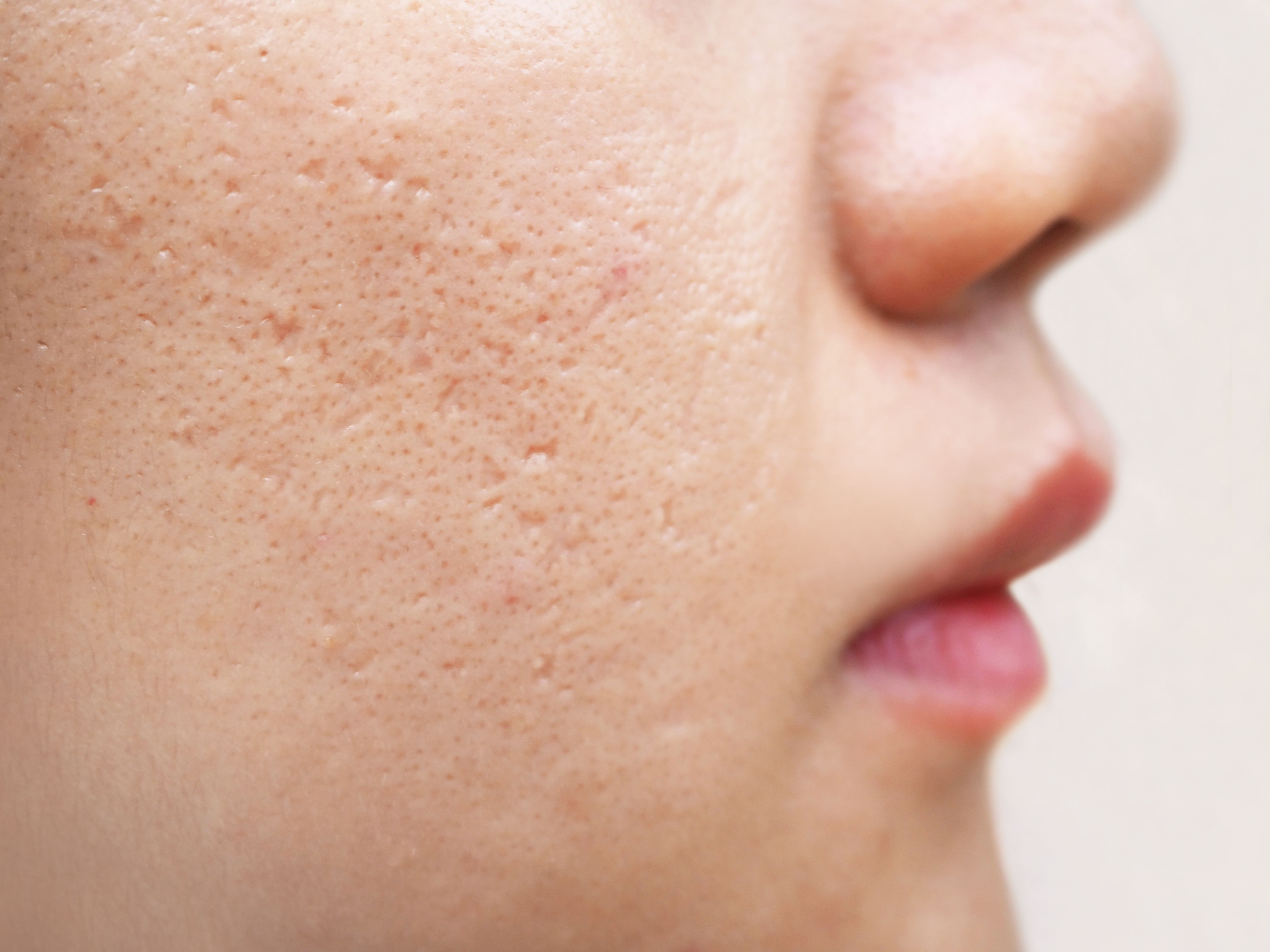
These breakouts can appear as inflamed pimples, tender bumps, whiteheads, or deeper blemishes beneath the skin. Although hormonal acne is frequently associated with adolescence, adults can experience it throughout different stages of life.
How Hormonal Changes Contribute to Breakouts
Hormones called androgens can increase sebum production, creating conditions that encourage clogged pores. Hormonal variations may occur during menstrual cycles, puberty, pregnancy, perimenopause, or other periods of physiological change.
Recognising these patterns can help individuals understand their skin more clearly. Rather than treating every blemish as an isolated concern, it is useful to consider recurring breakout locations, associated symptoms, and potential triggers when choosing an appropriate acne management approach.
Which Topical Treatments Support Acne-Prone Skin?
Topical treatments are frequently used to manage acne by addressing blocked pores, excess oil, and inflammation.
-
Retinoids: Adapalene and other topical retinoids help prevent clogged pores by supporting normal skin-cell turnover.
-
Benzoyl peroxide: This ingredient reduces acne-associated bacteria and can help manage inflammatory blemishes.
-
Salicylic acid: It helps exfoliate inside pores and may be useful for blackheads, whiteheads, and oily skin.
-
Azelaic acid: It offers anti-inflammatory properties and may help with acne-related discoloration.
When Is Hormonal Acne Best Addressed Medically?
Persistent hormonal acne may require medical assessment, particularly when breakouts are deep, painful, widespread, or associated with scarring. A healthcare professional can evaluate the skin, review relevant medical history, and determine whether hormonal influences or other conditions may contribute to the problem.
These medicines are not appropriate for everyone and require guidance from a qualified prescriber. Self-medicating with hormonal products is not a safe substitute for an individual assessment.
Can Skincare Habits Help Manage Hormonal Breakouts?
Daily skincare habits provide an important foundation for managing acne-prone skin. Harsh cleansing, excessive exfoliation, and frequent product switching can irritate the skin barrier and make a routine difficult to maintain. Helpful habits include:
-
Washing the face gently with a mild cleanser, generally twice daily and after heavy sweating.
-
Applying a non-comedogenic moisturiser to maintain skin hydration.
-
Using broad-spectrum sunscreen with SPF 30 or higher during the day.
-
Removing makeup before sleeping and avoiding aggressive scrubbing.
-
Keeping hands away from active blemishes to reduce irritation and the risk of scarring.
How Should Different Types of Hormonal Acne Be Managed?
Not every breakout requires the same approach. Small bumps and clogged pores may respond to ingredients that help keep pores clear, while inflamed pimples may need products that target acne-associated bacteria and inflammation.
Picking, squeezing, or attempting to drain these lesions at home may worsen inflammation and damage surrounding tissue. Understanding the type of acne present helps guide suitable product selection and indicates when medical support is important.
Does Skin Sensitivity Matter When Choosing Acne Products?
Yes, skin sensitivity is an important consideration when selecting acne treatments. Some active ingredients can cause redness, peeling, dryness, or a stinging sensation, especially when introduced too frequently or combined with other strong products.
People with sensitive skin may benefit from fragrance-free moisturisers, gentle cleansers, and gradual introduction of active ingredients. Using several exfoliating products simultaneously can compromise the skin barrier.
What Lifestyle Factors Are Relevant to Hormonal Acne?
Lifestyle habits can influence general skin health, although hormonal acne is not simply a consequence of poor hygiene or an unhealthy lifestyle. Consider these practical measures:
-
Maintain regular sleep habits and develop manageable ways to cope with stress.
-
Choose a balanced eating pattern and observe whether particular foods consistently coincide with breakouts.
-
Avoid restrictive diets based on unsupported acne claims.
-
Clean items that frequently contact the face, such as pillowcases, phones, and sports equipment.
How Can Hormonal Acne Marks Be Approached?
After a breakout settles, some individuals notice flat red, pink, brown, or darker marks. These changes are not always scars; they may represent post-inflammatory discoloration that gradually becomes less noticeable.
Daily sunscreen use is particularly important because ultraviolet exposure can deepen certain dark marks. Ingredients such as azelaic acid may support the management of both acne and post-inflammatory hyperpigmentation when suitable for the skin.
When Should Persistent Breakouts Be Evaluated?
Medical evaluation is worth considering when acne repeatedly returns, becomes painful, leaves scars, or does not respond to a well-tolerated skincare routine. Sudden, severe acne accompanied by irregular menstrual cycles or increased facial hair may also warrant assessment for an underlying hormonal condition.
A clinician can review symptoms, medications, and relevant health history to determine whether further investigation is appropriate. Early attention to persistent inflammatory acne can also help reduce the risk of lasting skin changes.
Final Thoughts
Managing hormonal acne involves more than choosing a product for individual pimples. Understanding hormonal influences, recognising the type of breakout, maintaining a gentle skincare routine, and selecting appropriate active ingredients can support a more considered approach to acne-prone skin. Topical treatments may be helpful for blocked pores and inflammation, while persistent or deeper acne can require prescription care. Lifestyle habits can complement these measures, but they should not be viewed as a replacement for medical guidance.
