Wet Timing Belt Replacement: Costs, Warning Signs, and Maintenance Tips
Author : Bible Noah | Published On : 23 Sep 2026

A timing belt plays a critical role in keeping an engine’s internal components working together correctly. Unlike conventional dry timing belts, a wet timing belt replacement involves a belt designed to operate inside the engine and remain lubricated by engine oil. This design can reduce friction and noise, but it also creates specific maintenance requirements that vehicle owners should understand.
For drivers in the UK, understanding the factors behind wet timing belt replacement cost can make it easier to plan servicing and avoid unexpected engine repairs. The actual price varies considerably depending on the vehicle, engine design, parts required and labour involved.

What Is a Wet Timing Belt?
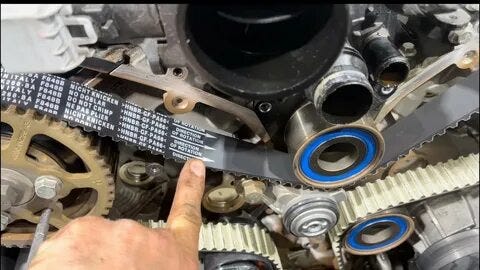
A wet timing belt, sometimes called an oil-bathed timing belt, operates inside the engine rather than in a dry external environment. It synchronises the crankshaft and camshaft so that the pistons and valves move at the correct time.
Manufacturers use this system in some modern petrol and diesel engines because it can offer several engineering benefits, including reduced friction, quieter operation and potentially improved fuel efficiency.
However, the belt depends on the correct engine oil and operating conditions. Using unsuitable oil or extending service intervals may contribute to premature deterioration of the belt material.
When replacing wet timing belt components, technicians generally need to consider more than the belt itself. Related components and the condition of the engine oil system can also be important.
What Affects Wet Timing Belt Replacement Cost?
There is no single price that applies to every vehicle. The wet timing belt replacement cost can depend on several factors.
1. Vehicle and Engine Design
Different engines require different belt systems, replacement procedures and parts. Access to the timing system can also vary. An engine requiring extensive dismantling will generally take longer to service than one with easier access.
2. Parts Included in the Replacement
A professional replacement may involve additional components such as tensioners, pulleys, seals or other related parts. Depending on the engine, replacing associated components at the same time can help avoid paying for similar labour again later.
3. Labour Requirements
Wet belt replacement can be more involved than some conventional timing belt jobs. The technician may need to remove additional engine components and carefully clean or inspect areas affected by deteriorated belt material.
4. Oil and Filter Requirements
Because the belt operates in engine oil, the correct lubricant specification is particularly important. A replacement procedure may therefore include fresh oil and an appropriate oil filter.

For an accurate estimate, vehicle owners should provide the registration number or complete vehicle and engine details when requesting a quotation. A garage can then identify the correct parts and servicing procedure.
Warning Signs of a Wet Timing Belt Problem
A wet belt does not always provide an obvious warning before deterioration becomes serious. Nevertheless, certain symptoms should encourage further inspection.
Possible warning signs include:
- Unusual engine noises or rattling
- Difficulty starting the vehicle
- Engine misfires or irregular running
- Warning lights on the dashboard
- Reduced engine performance
- Unusual oil contamination
- Visible deterioration when the belt is inspected
These symptoms can have many possible causes, so they should not automatically be attributed to the timing belt. Proper diagnosis is important before replacing components.
Best Practices for Maintaining a Wet Timing Belt
Preventive maintenance is particularly important for engines using oil-bathed timing belts. Vehicle owners can reduce unnecessary risk by following the manufacturer’s servicing requirements.
Important practices include:
Follow the manufacturer’s replacement interval: Timing belt service schedules are normally based on mileage, age or both. These intervals should not be ignored simply because the engine appears to run normally.
Use the correct engine oil: The manufacturer’s oil specification matters because the belt operates directly in the lubricant. Using an unsuitable product may affect belt durability.
Maintain regular oil changes: Fresh oil and a suitable filter help maintain the environment in which the belt operates.
Investigate oil-related problems: Oil leaks, contamination or incorrect oil levels should be addressed promptly.
Keep service records: Documentation of oil changes and timing belt work can help establish when future maintenance is due and can be useful when selling the vehicle.
For drivers looking for wet timing belt replacement Trowbridge, S&M Auto Service provides information about the factors that can influence replacement requirements and costs, helping motorists understand what may be involved before arranging servicing.
Common Challenges During Wet Belt Replacement
One of the main challenges is identifying belt deterioration before it develops into major engine damage. Small pieces of degraded belt material can potentially enter the engine’s oil system, making inspection and correct maintenance especially important.
Another challenge is determining whether related components should be replaced during the same repair. This depends on the manufacturer’s procedure, the condition of the components and the technician’s inspection.

For this reason, the cheapest initial estimate is not necessarily based on the same scope of work as another quotation. Vehicle owners should compare what is actually included, such as the belt, tensioning components, oil, filter, seals and labour.
Final Takeaway
A wet timing belt is an important engine component that requires appropriate oil, regular servicing and timely replacement. Understanding the wet timing belt replacement cost involves looking beyond the price of the belt itself and considering vehicle design, labour, associated components and required fluids.
Following the manufacturer’s maintenance schedule, using the correct oil specification and responding quickly to unusual engine symptoms can help support long-term engine reliability. Most importantly, replacement should be carried out according to the vehicle manufacturer’s recommended procedure and by a technician familiar with the specific engine system.
