Wear Monitoring and Service Planning for Long-Running Eddy Current Equipment
Author : Star Trace | Published On : 14 Aug 2026
Recycling plants depend on continuous material processing, so Eddy Current Equipment must remain reliable for long operating periods. Regular use can gradually affect belts, bearings, pulleys, rotors, and other working components. If wear is not identified early, it may reduce separation performance and lead to unexpected downtime.
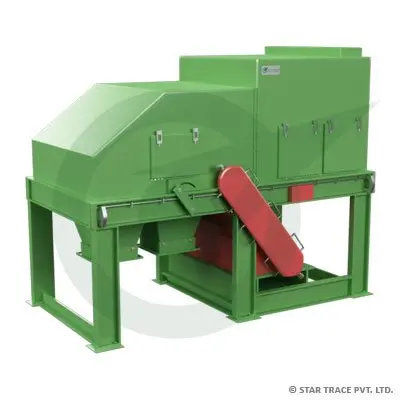
For this reason, wear monitoring and planned servicing are important parts of operating Eddy Current Separators. A structured maintenance approach helps operators identify developing problems, plan service work, and maintain consistent Eddy Current Separation performance.
Why Wear Monitoring Matters in Eddy Current Equipment
Eddy current systems operate continuously in demanding recycling environments. Dust, abrasive materials, heavy feed loads, and long operating hours can place additional stress on equipment components.
Small changes in equipment performance may indicate developing wear. For example, unusual vibration, belt tracking problems, changes in material flow, or reduced separation results can signal that inspection is required.
Regular monitoring helps maintenance teams identify these issues before they become major failures.
Key areas to monitor include:
-
Conveyor belt condition
-
Belt tracking and tension
-
Bearings and rotating components
-
Rotor condition
-
Pulleys and shafts
-
Electrical connections
-
Safety guards
-
Material feed conditions
-
Separation performance
Monitoring the Conveyor Belt
The conveyor belt is an important part of an Eddy Current Separator. It transports the material through the separation zone, so its condition can directly affect material flow.
Operators should regularly check the belt for:
-
Surface wear
-
Cuts or damage
-
Uneven tracking
-
Excessive tension
-
Material buildup
-
Edge damage
A damaged or incorrectly aligned belt can affect the movement of material across the separator. This may influence the trajectory of non-ferrous particles and reduce separation efficiency.
Regular cleaning and adjustment can help extend belt service life.
Checking Rotor and Bearing Performance
The rotor is one of the most important components in Eddy Current Separation. It operates at high rotational speeds and therefore requires appropriate inspection and maintenance.
Maintenance teams should monitor the rotor for unusual vibration, noise, or changes in operating behaviour. Bearings should also be inspected according to the equipment manufacturer's maintenance recommendations.
Excessive vibration should not be ignored. It can indicate issues such as bearing wear, imbalance, misalignment, or material buildup.
Early inspection can help prevent further damage to surrounding components.
Signs That Eddy Current Equipment Needs Attention
Operators can often identify developing maintenance problems through changes in normal equipment behaviour.
Some common warning signs include:
Unusual Noise
New or increasing mechanical noise may indicate wear in bearings, pulleys, or other rotating components.
Increased Vibration
Unexpected vibration can be associated with rotor imbalance, bearing problems, misalignment, or buildup of material.
Reduced Separation Performance
If valuable non-ferrous metals are no longer being separated as effectively as before, the system should be inspected. Changes in feed material can also affect performance, so maintenance teams should consider both equipment and process conditions.
Belt Tracking Problems
A belt that repeatedly moves away from its normal position may require alignment, tension adjustment, or component inspection.
Increased Downtime
Repeated minor stoppages may indicate an underlying mechanical problem. Recording these events can help identify patterns and support preventive maintenance decisions.
Building a Planned Service Schedule
A planned service schedule is more effective than waiting until equipment fails. The exact schedule should follow the recommendations provided by the Eddy Current Separator Manufacturers and the operating conditions of the plant.
A practical maintenance program can include different inspection intervals.
Daily checks:
Operators can inspect the general condition of the equipment, belt movement, material buildup, unusual sounds, and visible damage.
Weekly checks:
Maintenance teams can review belt alignment, tension, guards, fasteners, and other accessible components.
Periodic inspections:
More detailed checks can be performed on bearings, rotor components, electrical systems, and other critical parts according to operating hours and manufacturer recommendations.
This approach allows service work to be planned around production schedules.
Using Operating Data for Service Planning
Maintenance teams can improve service planning by recording equipment observations and previous service activities.
Useful information can include:
-
Operating hours
-
Previous maintenance dates
-
Component replacements
-
Belt adjustments
-
Bearing inspections
-
Vibration observations
-
Separation performance
-
Unexpected stoppages
Over time, this information can show which components require more frequent attention. It can also help maintenance teams prepare spare parts before scheduled service work.
Role of Non-ferrous Separators in Continuous Recycling
Non-ferrous Separators are commonly used to recover aluminium and other conductive metals from mixed material streams. Because these systems may operate for long periods, consistent maintenance is important for maintaining reliable separation.
Feed conditions can also influence equipment wear. Abrasive materials, oversized particles, excessive feed rates, and contamination can place additional stress on the system.
Therefore, service planning should consider both equipment condition and the material being processed.
Working with Eddy Current Separator Suppliers
Selecting reliable Eddy Current Separator Suppliers can provide support beyond the initial equipment purchase. Suppliers with technical knowledge can assist with replacement components, servicing requirements, troubleshooting, and operating recommendations.
Before selecting a supplier, recycling plants can evaluate:
-
Technical support availability
-
Spare parts support
-
Equipment experience
-
Maintenance guidance
-
Installation support
-
Application knowledge
-
After-sales service
This becomes especially important for plants where unexpected downtime can affect production targets.
Service Planning Supports Longer Equipment Life
Regular wear monitoring does not mean replacing components unnecessarily. Instead, it provides maintenance teams with information that helps them determine when inspection, adjustment, repair, or replacement may be required.
For long-running Eddy Current Equipment, a combination of routine inspection, performance monitoring, planned servicing, and proper operating practices can help maintain dependable performance.
For recycling plants, the goal is simple: keep the separator operating effectively while reducing avoidable breakdowns and unplanned production interruptions.
Long-term performance from Eddy Current Separators
Long-term performance from Eddy Current Separators depends on more than the separation technology itself. Belts, bearings, rotors, and other components must be monitored throughout the equipment's operating life.
A planned maintenance approach allows recycling plants to identify wear early, schedule service work, maintain separation performance, and reduce unexpected downtime. By following suitable maintenance practices and working with experienced Eddy Current Separator Manufacturers and Eddy Current Separator Suppliers, plants can keep their separation systems working reliably over extended operating periods.
Star Trace provides industrial separation solutions designed for demanding material processing applications, with equipment selection and support focused on practical plant requirements.
