Waste Cost Reduction in NSW: Effective Strategies to Lower Business Waste Expenses
Author : Waste Releaf | Published On : 05 Nov 2026
Managing waste efficiently is an important part of controlling operating expenses for businesses across New South Wales (NSW). Food and beverage companies, manufacturing facilities, warehouses, and industrial businesses often deal with high waste volumes, rising disposal charges, and complex waste management requirements.
Waste Releaf helps organisations take a smarter approach to waste management through independent assessments, cost reviews, recycling solutions, and waste recovery services. With practical industry experience and EPA-accredited consigner status (EXT001686), the company works with businesses to identify opportunities for waste cost reduction in NSW while supporting more sustainable operations.
Why Businesses Should Focus on Waste Cost Reduction
Waste-related expenses can have a considerable impact on business budgets, especially when disposal arrangements are not regularly reviewed. Unnecessary collections, inefficient handling, unsuitable service agreements, and missed recycling opportunities can all contribute to higher costs.
A well-planned waste management strategy helps businesses understand where their money is going and where improvements can be made.
Some important benefits include:
-
Lower waste collection and disposal expenses.
-
Better use of recyclable and recoverable materials.
-
Improved waste handling and segregation.
-
More effective management of waste service providers.
-
Reduced reliance on landfill disposal.
-
Better operational efficiency and environmental outcomes.
Taking a proactive approach allows businesses to manage waste more effectively while identifying opportunities for ongoing savings.
7 Ways to Reduce Waste Costs for Your Business
1. Assess Your Current Waste Management Processes
Before making changes, businesses need a clear picture of their existing waste arrangements. This includes understanding the types and volumes of waste generated, collection schedules, disposal methods, and associated costs.
A professional waste assessment can highlight areas where services are being underused, overpaid for, or managed inefficiently.
Waste Releaf conducts site visits to examine existing waste facilities and processes. Its team also reviews billing information and current disposal outcomes before preparing recommendations to improve waste management performance.
2. Review Waste Collection Contracts and Charges
Waste management agreements should be reviewed regularly to ensure they remain suitable for a business's needs.
Over time, operational requirements may change, but collection schedules, container sizes, and service arrangements may remain the same. This can result in unnecessary charges.
An independent contract review can help businesses identify:
-
Unnecessary or excessive waste collections.
-
Services that no longer match operational requirements.
-
Opportunities to negotiate more suitable arrangements.
-
Billing inconsistencies and avoidable charges.
-
Alternative waste management options.
Waste Releaf provides independent advice and reviews existing waste provider arrangements to help businesses identify potential savings.
3. Recover Value from Organic By-Products
Businesses in the food and beverage manufacturing sectors may produce organic by-products containing carbohydrates, protein, and fibre. These materials do not always need to be treated as general disposal waste.
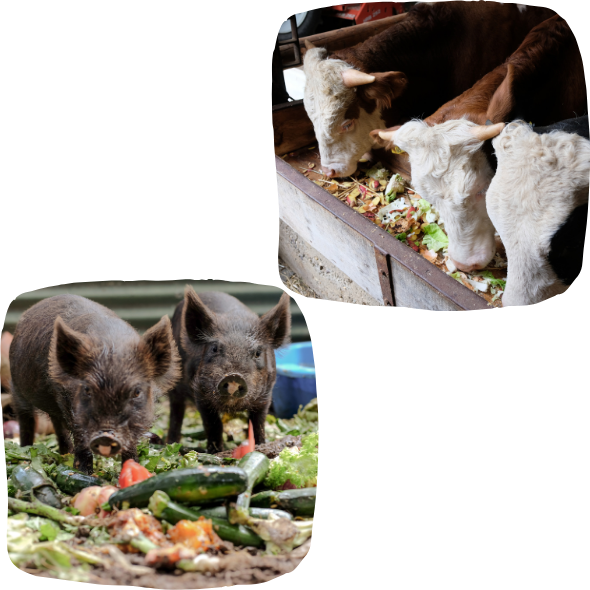
Through waste valorisation, suitable by-products can be recovered and redirected towards productive uses, including stockfeed applications.
Waste Releaf helps businesses explore organic by-product recovery and rebate opportunities. This can reduce disposal expenses and potentially create additional value from materials that would otherwise be discarded.
4. Use Secure Food Waste Depackaging Solutions
Packaged food waste can create additional disposal challenges because organic materials need to be separated from their packaging before recovery.
Secure depackaging uses specialised machinery to separate packaging from the organic contents. Depending on the material and its suitability, recovered organics can be processed into blends for animal feed or compost.
This process can help businesses:
-
Recover usable organic materials.
-
Reduce the amount of packaged waste sent to landfill.
-
Improve waste handling processes.
-
Lower disposal-related expenses.
-
Support more sustainable resource recovery.
Waste Releaf offers secure depackaging and organic recovery solutions for businesses looking to improve how they manage packaged food waste.
5. Improve Waste Transportation and Collection Arrangements
Warehouses and industrial facilities often need to manage substantial waste volumes. Without suitable transport and collection arrangements, handling and disposal can become more expensive and complicated.
Choosing appropriate transport solutions can help streamline waste movements and improve operational efficiency.
Waste Releaf provides tautliner and B-double disposal solutions for warehouse operations, along with CHEP pallet dehire services. These options help businesses manage excess stock and warehouse waste according to their requirements.
6. Improve Recycling and Waste Segregation
When recyclable materials are mixed with general waste, businesses may miss opportunities for recovery and end up paying more for disposal.
Introducing effective segregation processes can help separate materials such as plastics and organic waste for suitable recycling or recovery options.
Waste Releaf supports businesses with plastic recycling, organic recovery, and strategies designed to move operations towards zero waste to landfill.
7. Monitor Waste Service Providers and Performance
Effective waste management does not end after selecting a provider. Businesses should regularly assess service quality, collection schedules, invoices, and disposal outcomes.
Monitoring these areas helps identify service issues, unnecessary charges, and opportunities to improve existing arrangements.
Waste Releaf assists with managing existing waste providers and organising waste tenders. This gives businesses greater control over their waste services and helps them make informed decisions about future arrangements.
How Waste Releaf Supports Waste Cost Savings
Waste Releaf is an independent waste management company with hands-on experience across food and beverage, manufacturing, warehousing, and industrial environments.
Rather than offering a one-size-fits-all approach, the team reviews each site's existing arrangements and recommends solutions based on its operational requirements.
The process generally involves the following steps:
-
Site Visit: Assessing existing waste facilities, infrastructure, and handling processes.
-
Cost and Billing Review: Examining invoices, collection arrangements, and disposal outcomes.
-
Detailed Reporting: Preparing a report outlining findings and areas for improvement.
-
Recommendations: Developing practical strategies to improve waste management and identify savings.
-
Implementation Assistance: Supporting the business in putting the recommended changes into action.
This process helps businesses understand their current waste expenses and make informed decisions about improving efficiency.
Why Choose Waste Releaf as Your Waste Management Partner in NSW?
Selecting an experienced waste management partner can help businesses identify opportunities that may otherwise be overlooked.
Waste Releaf focuses on independent advice, practical waste solutions, and long-term improvements rather than simply arranging waste collection.
Businesses can benefit from:
-
Independent Advice: Recommendations focused on your business interests rather than those of waste service providers.
-
Waste and Cost Reviews: Assessment of existing contracts, invoices, and disposal processes.
-
Organic By-Product Recovery: Opportunities to recover suitable materials for stockfeed and other uses.
-
Tailored Waste Strategies: Solutions designed around individual site requirements.
-
Recycling Options: Support for plastic recycling and organic waste recovery.
-
Zero-Waste Initiatives: Guidance on reducing landfill disposal through alternative recovery methods.
-
Ongoing Support: Assistance with provider management, waste tenders, and implementation.
With its practical experience and EPA-accredited consigner status (EXT001686), Waste Releaf helps businesses take a more efficient and informed approach to waste management.
Take the Next Step Towards Lower Waste Costs
Reducing waste expenses starts with understanding how your business currently manages its waste. Reviewing contracts, improving collection arrangements, recovering valuable by-products, and introducing better recycling processes can all contribute to more efficient operations.
Whether you manage a warehouse, manufacturing facility, food production business, or beverage operation, Waste Releaf can help identify practical opportunities to reduce waste costs and achieve meaningful waste cost savings.
Get started with a free initial waste consultation. Call 0401 589 570 or email [email protected] to discuss your business requirements.
Frequently Asked Questions
1. What are the best ways to achieve waste cost reduction in NSW?
Businesses can reduce waste expenses by reviewing waste management contracts, improving collection schedules, separating recyclable materials, recovering organic by-products, and monitoring disposal charges. A professional waste review can help identify the most suitable opportunities.
2. How does Waste Releaf help businesses reduce waste costs?
Waste Releaf offers waste reviews, cost assessments, site waste management, waste provider management, tender support, plastic recycling, and organic by-product recovery. These services help businesses identify inefficiencies and explore practical ways to lower waste expenses.
3. Which industries can benefit from professional waste management services?
Food and beverage businesses, manufacturing companies, warehouses, and industrial facilities can benefit from professional waste management support, particularly when they generate large quantities of commercial, packaged, or organic waste.
4. What does waste valorisation mean?
Waste valorisation involves recovering and converting waste materials or industrial by-products into useful resources. Instead of sending all waste to landfill, suitable materials can be processed for alternative applications, helping businesses improve resource utilisation and reduce disposal requirements.
5. Can packaged food waste be converted into animal feed?
Suitable packaged food waste can undergo secure depackaging to separate the organic contents from the packaging. Depending on the material and its suitability, the recovered organics can be processed for animal feed or compost.
6. How frequently should a business review its waste management arrangements?
Businesses should review their waste arrangements regularly and whenever there are changes in waste volumes, operating requirements, collection needs, or disposal charges. Periodic reviews can help identify unnecessary expenses and maintain efficient services.
7. Does Waste Releaf offer waste management services nationally?
Waste Releaf presents its services as national waste management solutions. Businesses can contact the team to discuss their location, operational requirements, and available services.
