Visionary Agribusiness: Shifting from Crop Production to Value-Added Service Delivery
Author : Alex Turner | Published On : 15 Oct 2026
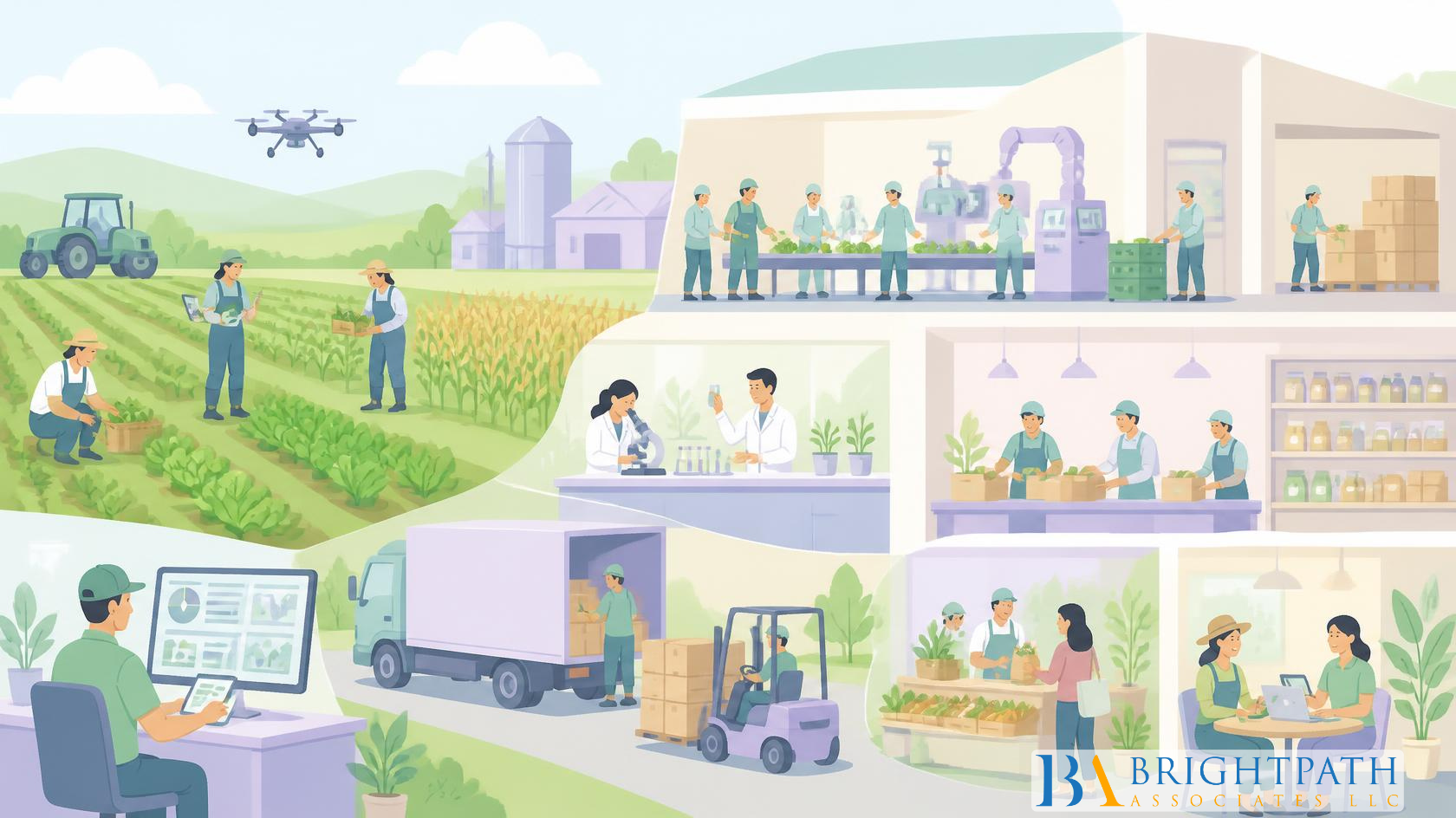
Agriculture is evolving beyond traditional crop production. For small and mid-sized farming businesses across the United States, long-term success increasingly depends on their ability to deliver value beyond harvesting and selling raw agricultural commodities. Rising input costs, changing consumer expectations, supply chain uncertainty, and growing competition are encouraging agribusiness leaders to explore new revenue streams and more diversified business models.
Value-added services offer a practical path forward. From food processing and specialized packaging to agricultural consulting, precision farming, traceability, and direct-to-consumer distribution, these services enable businesses to capture more value from their existing resources. Instead of relying exclusively on commodity prices, agricultural enterprises can differentiate their offerings, strengthen customer relationships, and build more resilient operations.
However, this transformation requires more than investment in new equipment or technology. It demands strategic leadership, specialized expertise, and a workforce capable of connecting agricultural production with commercial opportunities. For modern agribusinesses, the shift from growing crops to delivering integrated services represents both a business opportunity and a significant organizational challenge.
Why Traditional Crop Production Is No Longer Enough
Conventional farming businesses often operate within a commodity-driven economic model. Producers grow crops, harvest them, and sell their output through wholesalers, processors, distributors, or other intermediaries. Although this model remains essential to the agricultural economy, profitability can fluctuate considerably with market prices, weather conditions, transportation costs, and input expenses.
Smaller producers may have limited control over the prices they receive, particularly when selling undifferentiated products in competitive markets. This dependence can make financial planning difficult and leave businesses vulnerable to unexpected market changes.
Value-added services provide an opportunity to reduce this dependence. A farm producing fruit, for example, might explore sorting, grading, processing, packaging, or subscription-based delivery rather than selling all its harvest through conventional wholesale channels. A grain producer could investigate cleaning, storage, identity-preserved handling, or specialized supply arrangements for customers with specific quality requirements.
The appropriate strategy depends on market demand, available capital, operational capabilities, and regulatory requirements. Not every farm needs to become a processor or retailer. The objective is to identify services that complement existing production strengths and create additional value without introducing unsustainable complexity.
Technology as an Enabler of Service-Based Agribusiness
Digital technology is helping agricultural businesses connect production with more sophisticated commercial services. Farm management software, satellite imagery, sensors, automated irrigation, and data analytics can improve visibility into crop conditions, resource consumption, and operational performance.
These technologies can support services that extend beyond a farm's own production activities. For instance, an agribusiness with appropriate equipment and expertise might provide field monitoring, crop planning, or irrigation optimization services to neighboring producers.
Traceability technology can also help businesses document product origins, handling practices, and quality information. For customers seeking greater transparency, reliable records can strengthen confidence and support specialized purchasing arrangements.
Technology adoption, however, must be guided by a clear business case. Software subscriptions, equipment purchases, training, connectivity, and maintenance can create substantial costs. Leaders should identify the specific operational or customer problem a technology is expected to solve and establish measurable indicators of success.
For companies operating across the Farming industry, integrating agricultural expertise with technology and commercial strategy can create opportunities to improve productivity, differentiate services, and respond to changing customer needs.
Conclusion: Creating the Next Generation of Agribusiness
The future of agriculture will involve more than producing crops efficiently. For many small and mid-sized U.S. farming businesses, sustainable growth will depend on their ability to connect production with processing, technology, logistics, specialized services, and stronger customer relationships.
Value-added services can help agribusinesses diversify revenue, differentiate their offerings, and respond more effectively to changing market conditions. Realizing these benefits requires disciplined planning, appropriate technology, sound financial management, and leadership teams capable of managing increasingly complex operations.
The most successful businesses will not necessarily be those that diversify the fastest. They will be those that understand their customers, build on their existing strengths, and develop the capabilities required to deliver additional value consistently.
For a deeper exploration of this strategic shift, read BrightPath Associates' original article on shifting agribusiness from crop production to value-added service delivery. Share your experiences and perspectives in the comments. If your organization is preparing for growth and needs experienced leaders to guide its next stage of development, connect with BrightPath Associates LLC to discuss your executive recruitment and talent acquisition needs.
