Vertical Autoclave Machine: A Practical Guide for Labs and Hospitals
Author : Bionics ro | Published On : 07 Nov 2026
Vertical Autoclave Machine: A Practical Guide for Labs and Hospitals
Walk into any busy microbiology lab at eight in the morning and you will notice the same routine: media being prepared, glassware stacked, waste bags waiting. Quietly holding all of this together is the vertical autoclave machine. Compact, top-loading and built for daily use, it remains one of the most trusted sterilization systems in science and healthcare.
What Is a Vertical Autoclave Machine?
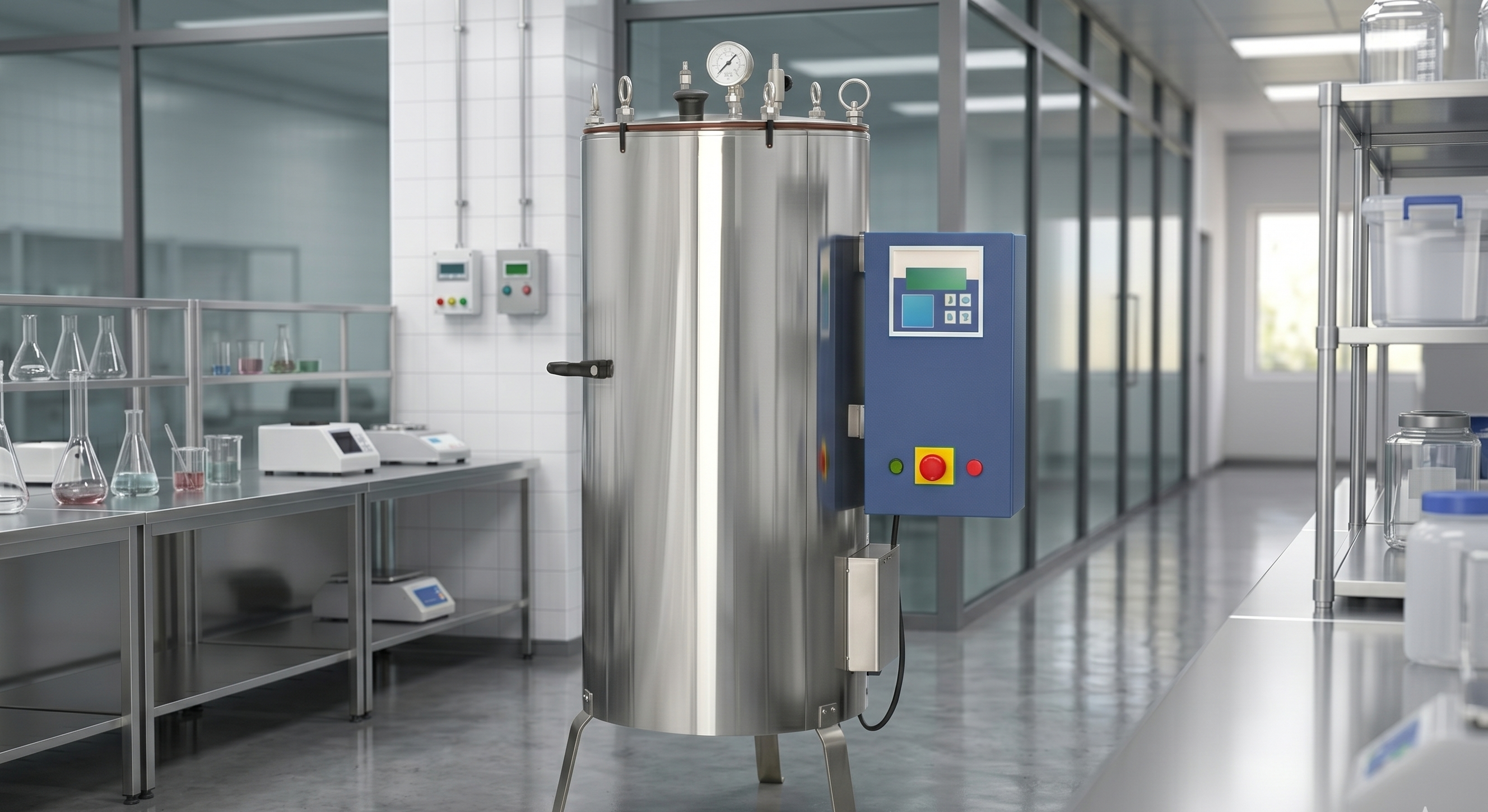
A vertical autoclave machine is an upright pressure vessel that loads from the top and uses saturated steam to destroy bacteria, viruses, fungi and stubborn heat-resistant spores. Because a vertical autoclave has a small footprint, it fits comfortably in labs where floor space is tight. Most people choose it for its simple operation, easy loading of tall containers, and lower cost compared with larger chamber units.
How Steam Sterilization Works
Steam sterilization works because moist heat denatures the proteins inside microorganisms far faster than dry heat can. Water in the chamber is heated, air is pushed out, and rising pressure lifts the steam temperature well above the normal boiling point. Once steam contacts every surface of the load, microbes cannot survive.
Autoclave Machine Temperature and Time
The standard autoclave machine temperature is 121°C at roughly 15 psi, held for 15 to 30 minutes depending on load size and density. Some protocols use 134°C with a shorter hold. Wrapped or dense items need extra time, since steam must physically reach the core of the load.
The Autoclave Method of Sterilization, Step by Step
The autoclave method of sterilization follows a clear sequence: loading, air removal, heating, holding at the target temperature, and controlled cooling. The most common failures I have seen come from overpacking the chamber or closing the vent too early, which leaves trapped air pockets. Use chemical indicator tape on every load, and run biological indicators containing Geobacillus stearothermophilus spores on a regular schedule to confirm real-world performance.
Where Autoclaving Machines Are Used
Microbiology Laboratories
In microbiology laboratories, autoclaving machines prepare culture media, sterilize pipette tips and petri dishes, and make used cultures safe before disposal. Reliable results here protect both experiment accuracy and staff safety.
Pharmaceutical Laboratories
Pharmaceutical laboratories depend on validated cycles to sterilize equipment, containers and certain liquid preparations. Documentation matters as much as the cycle itself, so look for models with clear temperature and pressure records.
Biomedical Waste and Hospital Equipment
Clinics and hospitals use autoclaves to treat reusable hospital equipment such as surgical instruments and dressings. They are also a common way of treating biomedical waste before it leaves the facility, thereby decreasing the risk of infection for handlers and waste workers.
How To Pick The Right Vertical Autoclave
Start with the chamber capacity and the tallest object you plan to load. Look for safety features like a lid interlock, pressure relief valve and low-water protection. If you work with liquids get a slow exhaust option to prevent boil-over.Finally, decide if you want a printer or a digital log for audits.
Maintenance Practices to Extend The Life of Machine
1. Use distilled water to reduce scale buildup, regularly drain and clean the chamber, and check the door gasket for cracks . Have a qualified technician perform safety valve testing and calibration.A well cared for unit will give consistent cycles for years.
Frequently Asked Question: Vertical or Horizontal?
If you process small to medium daily loads and want a space-saving, budget-friendly option, a vertical autoclave machine is usually the practical pick. High-volume facilities that move large trolleys of instruments often prefer horizontal models.
Final Thoughts
A vertical autoclave machine is not flashy, but it is the backbone of safe, repeatable sterilization. Match the capacity to your workload, validate your cycles, and maintain the unit, and it will protect your samples, your staff and your patients every single day.
