Vehicle Branding in Dubai: A Practical Guide to Planning Effective Business Graphics
Author : Car Decals Dubai | Published On : 23 Oct 2026
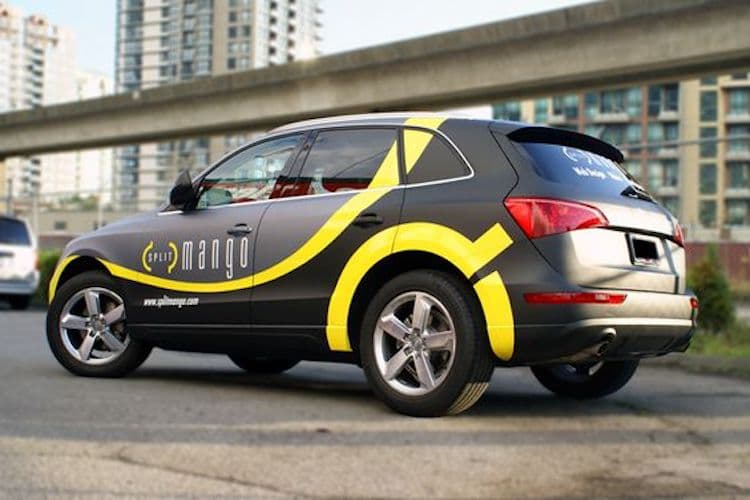
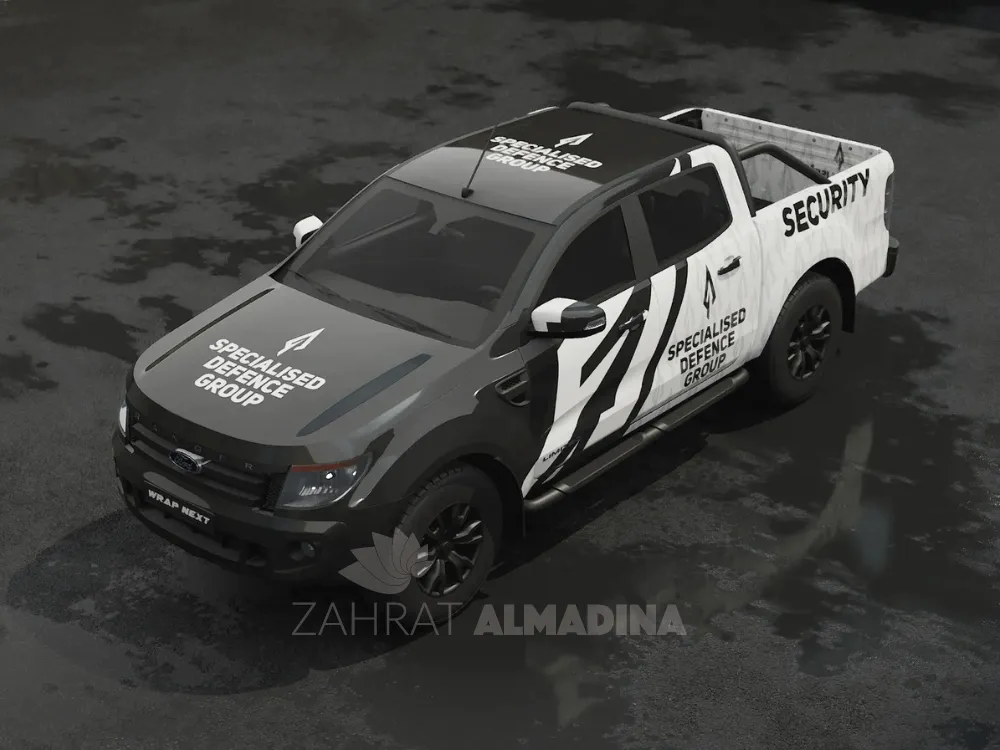
A company vehicle can carry a business identity wherever it travels. A clear logo, a short service description, and well-placed graphics can help customers recognise a company without covering every available surface with advertising.
For businesses in Dubai, vehicle branding can be used on company cars, delivery vans, pickups, trucks, and commercial fleets. The right design depends on the vehicle's shape, the information that needs to be displayed, and how the vehicle is used each day.
Businesses comparing providers can review the information from a vehicle branding company in dubai and request a quotation based on the actual vehicle and proposed design.Planning the project before printing begins can prevent common problems, including crowded layouts, unreadable contact details, unsuitable materials, and unnecessary production changes.
What Is Vehicle Branding?
Vehicle branding involves applying graphics, lettering, decals, or vinyl wraps to a vehicle to display a business name, logo, service information, or promotional message.
The amount of coverage can vary considerably. Some businesses need only a logo and phone number on the doors, while others prefer larger graphics across the sides and rear of a van.
The design and production method should match the intended use. Simple lettering may be sufficient for identification, whereas a detailed promotional design may require printed vinyl and a more extensive layout.
Why Businesses Use Branded Vehicles
A branded vehicle can support several everyday business activities beyond transportation.
Businesses may use vehicle graphics to:
-
Identify company vehicles at customer locations.
-
Display a business name and service category.
-
Make delivery and maintenance vehicles easier to recognise.
-
Maintain a consistent appearance across a fleet.
-
Communicate contact information while vehicles are parked or travelling.
The value depends on the design and how the vehicles are used. A clear, relevant message is generally more useful than a crowded layout containing too many details.
For example, a maintenance company may prioritise its name, main service, and telephone number. A delivery business may place greater emphasis on its logo and website so customers can identify the company quickly.
Choose Between Full and Partial Vehicle Branding
The amount of coverage is one of the first decisions to make. Full and partial branding can both be suitable, but they serve different design requirements.
Full Vehicle Branding
Full branding covers most or all of the vehicle's exterior with vinyl graphics or a wrap. It provides a larger area for brand colours, promotional artwork, and consistent messaging.
This approach may suit businesses that want a complete visual transformation or need a coordinated appearance across several vehicles.
However, a larger design is not automatically more effective. Important information still needs to be organised clearly, and the artwork must account for the vehicle's doors, curves, handles, and other features.
Partial Vehicle Branding
Partial branding focuses on selected panels, such as the doors, side sections, bonnet, or rear. It can communicate the business identity without covering the entire vehicle.
This option may be suitable when a company needs a logo, contact details, or a short service message rather than a complete graphic transformation.
The decision should be based on the coverage required, the design objective, and the vehicle's available space—not simply on which option uses less material.
Plan the Design Around the Actual Vehicle
A design that looks balanced on a computer screen may look different when applied to a vehicle. Body contours, door handles, panel gaps, windows, and trim can interrupt text or change the proportions of a graphic.
Before approving the artwork, review a mock-up that represents the relevant vehicle model.
Keep the Main Message Easy to Read
People may only have a few seconds to notice a moving vehicle. The design should therefore prioritise the information that matters most.
A practical layout often includes:
-
The business name or logo.
-
A short description of the service.
-
One appropriate contact method.
-
Brand colours that provide sufficient contrast.
Avoid adding every service, social media account, promotional offer, and contact detail to the same panel. Too much information can make the design harder to understand.
Adjust Graphics to Different Vehicle Shapes
Cars, vans, pickups, and trucks do not provide the same amount of usable space. A layout that works on a van's broad side panel may need significant adjustment for a smaller company car.
For a fleet, the core identity should remain consistent while the graphic placement changes to suit each vehicle. This allows the vehicles to look related without forcing identical artwork onto different body shapes.
Select Suitable Materials for Dubai Conditions
Material selection affects the appearance, application, and maintenance of vehicle graphics. The appropriate product depends on whether the project involves simple lettering, printed decals, partial branding, or a full wrap.
Dubai's heat, sunlight, and dusty conditions make it sensible to ask about material suitability before production. Different vinyl products have different characteristics, so businesses should confirm the manufacturer's recommendations for the intended application.
Before ordering, ask:
-
Which material will be used?
-
Is it suitable for the vehicle's surface and intended use?
-
What cleaning methods are recommended?
-
How should damaged or lifting graphics be handled?
-
What warranty, if any, applies to the material and installation?
These questions help establish what is being supplied instead of relying on vague descriptions of material quality.
Understand Vehicle Branding Costs
There is no single price that applies to every vehicle branding project. The total cost depends on the vehicle, the design, the coverage, and the work required to prepare and install the graphics.
Common factors include:
-
Vehicle size: Larger vehicles generally require more material and installation work.
-
Coverage: Full wraps typically involve more work than selected graphics or logo-only applications.
-
Design complexity: Detailed artwork, multiple colours, and custom layouts can affect production requirements.
-
Material choice: Different vinyl products and finishes may have different costs.
-
Surface preparation: Existing graphics, adhesive residue, or surface issues may require additional work.
-
Fleet size: Multiple vehicles may require coordinated artwork, production, and installation scheduling.
The published service information for Car Branding Dubai explains that pricing depends on vehicle size, full or partial coverage, and design complexity rather than one fixed rate for every project.
When comparing quotations, check whether design work, material, installation, surface preparation, and any additional services are included. If the project requires approval, clarify whether assistance with the application process is included and whether any authority fees are separate.
How Long Does Vehicle Branding Take?
Vehicle branding involves several stages, including design preparation, artwork approval, printing, surface preparation, installation, and final inspection.
The published service information gives a typical turnaround of 2–7 working days, depending on the vehicle size, coverage, design details, and preparation requirements. This is a general estimate rather than a guaranteed deadline for every project.
The actual schedule may differ when a business is branding several vehicles, revising artwork, or dealing with additional preparation requirements.
To help avoid delays, prepare the following before production:
-
The vehicle make and model.
-
A high-quality logo and any required brand guidelines.
-
Correct contact details and service information.
-
The preferred coverage and finish.
-
A confirmed design and installation schedule.
Where an advertising permit or other approval is required, allow additional time for that process. The time needed for authorisation should not automatically be treated as part of the physical installation estimate.
Why Professional Installation Matters
Vehicle surfaces contain curves, edges, recesses, and joints that can make graphic application more complicated than applying a decal to a flat surface.
Poor preparation or application may result in bubbles, wrinkles, uneven edges, or misaligned graphics. Existing paint damage and previously applied stickers should also be discussed before work begins.
Ask how the vehicle will be cleaned and prepared, how difficult areas will be handled, and whether the finished graphics will be inspected before collection.
If the vehicle already has branding, clarify whether its removal is included in the quotation. The condition of the underlying paint, the adhesive, and the removal method can affect the result, so removal should not be assumed to be risk-free.
A Checklist Before Ordering Vehicle Branding
Before approving the final design, check the following:
-
Does the artwork fit the actual vehicle model?
-
Is the business name or logo easy to recognise?
-
Are the contact details correct and readable?
-
Have full and partial coverage options been compared?
-
Is the proposed material suitable for the application?
-
Does the quotation explain what is included?
-
Is the expected completion date confirmed?
-
Have any required advertising approvals been considered?
-
Are maintenance and warranty details clear?
Reviewing these points before production can help prevent avoidable revisions and misunderstandings.
Final Thoughts
Effective vehicle branding begins with a clear purpose. Some businesses need only a recognisable logo and contact details, while others benefit from larger graphics across company cars, vans, or commercial fleets.
The best approach depends on the vehicle's shape, the amount of coverage required, material suitability, the available budget, and the intended message. A carefully planned design, a clear quotation, and a realistic installation schedule can make the process easier to manage.
Taking time to review the artwork and project details before production helps ensure that the finished graphics communicate the business identity clearly and suit the vehicle's everyday use.
FAQs
What is the difference between full and partial vehicle branding?
Full branding covers most or all of the vehicle's exterior, while partial branding focuses on selected panels. The right option depends on the design objective, coverage required, and budget.
How much does vehicle branding cost in Dubai?
Pricing depends on vehicle size, coverage, material, design complexity, and preparation requirements. A project-specific quotation is the best way to establish the cost.
How long does vehicle branding take?
A typical turnaround is 2–7 working days, depending on the vehicle and project requirements. Confirm the schedule for the specific job, and allow extra time if approvals are required.
Can the same design be used across different vehicles?
Yes, the core brand identity can remain consistent across a fleet. The layout may need adjustments to fit each vehicle's proportions and available panels.
Do branded vehicles require approval in Dubai?
Certain commercial vehicle advertising may require approval depending on the design and use. Businesses should check the applicable requirements before production and installation.
