Varanasi Etiquette for First-Time Visitors: Simple Dos and Don’ts
Author : Varanasi Package | Published On : 09 Oct 2026
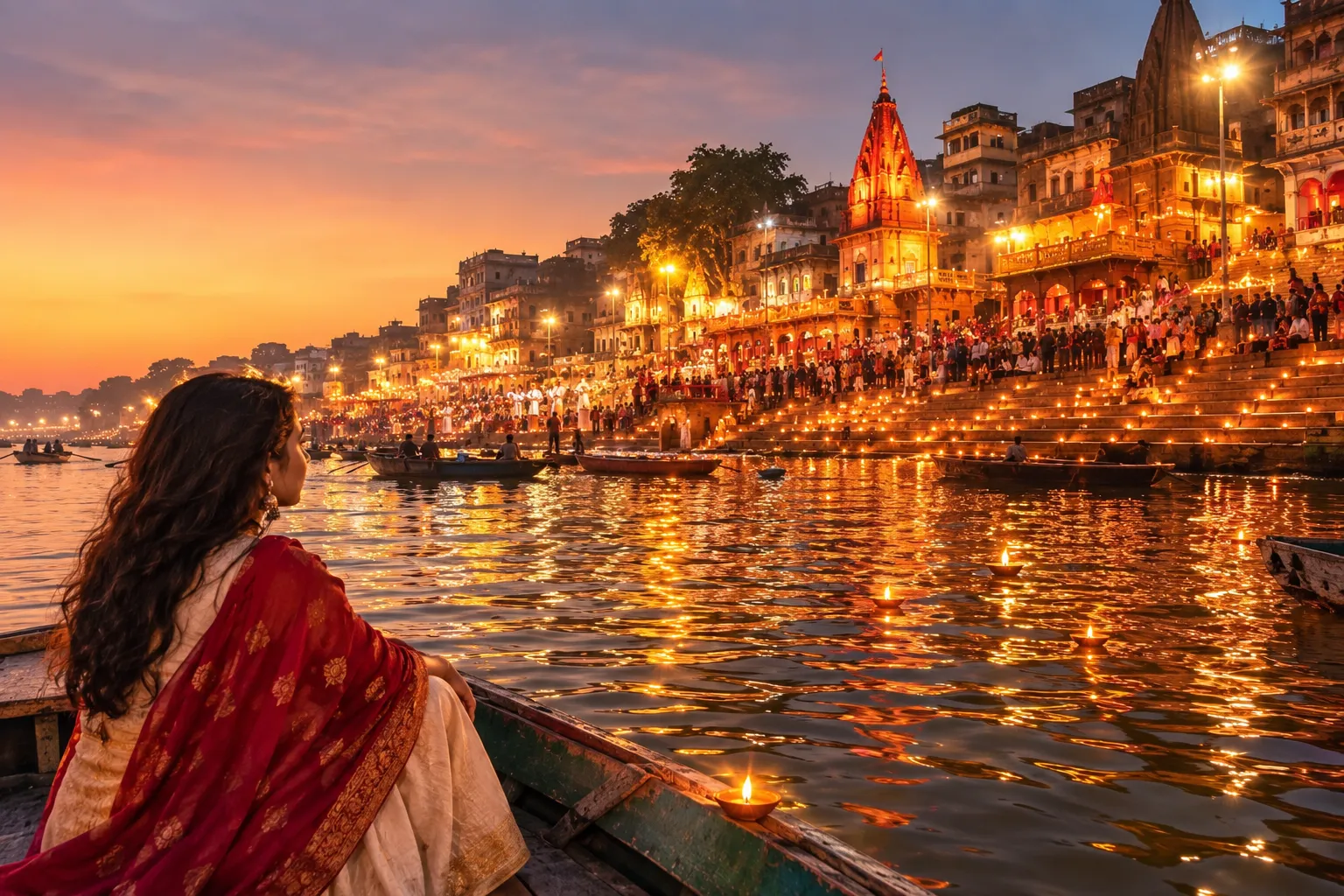
Varanasi is not a typical tourist city. It is a living place of worship where daily rituals, family life and visitors share the same narrow lanes and riverbanks. People bathe in the Ganga at dawn, priests prepare for ceremonies, and families gather for some of the most important moments of their lives, all within a few steps of cafes and shops. A little awareness goes a long way. Here are the most useful dos and don’ts for first-time visitors, along with the reasons behind them.
Before you arrive: set the right expectations
Varanasi is loud, crowded, colorful and sometimes overwhelming. Bells ring from early morning, lanes are narrow, and the city does not follow a tourist schedule. Travelers who arrive expecting a quiet, polished destination are often surprised. Those who arrive curious and patient usually leave with the best memories.
Plan for at least two full days if you can. It gives you time for the ghats, a couple of temples, an evening aarti and a slow meal without rushing. Early mornings and evenings are the best times to be outdoors, especially in the warmer months.
Dressing for the city
Do dress modestly, especially for temple visits. Light, loose clothing that covers shoulders and knees is comfortable in the heat and respectful at religious places. Carry a light scarf or shawl in the cooler months, since mornings by the river can be chilly.
Wear shoes that are easy to take off, since footwear is removed at temples. Carry a small cloth bag for them if you can, because the lanes can be crowded and busy. Avoid very short or tight clothing, and avoid wearing a lot of expensive jewelry in crowded areas.
At the temples
Do follow the instructions at the entrance. Rules on mobile phones, cameras, bags and leather items differ from one temple to another, and security checks are normal. Many temples have a place to leave belongings, so travel light and carry only what you need.
Expect queues, especially on Mondays, festival days and early mornings, and be patient with staff and other devotees. Don’t take photographs where signs say not to, and avoid pointing your camera at people who are praying. If you are unsure about what to do inside, quietly watch what others do, or ask a priest or a guide politely.
Don’t try to skip the queue, and be careful with anyone who offers a special “quick” entry for a high fee. Check official counters or trusted sources for darshan arrangements and timings, since these can change.
On the ghats
The ghats are the heart of Varanasi, and many people use them for bathing, prayer, yoga and quiet reflection. Do walk slowly and watch your step, as the stairs can be uneven and slippery near the water, especially in the monsoon season or after a ritual bath.
Don’t litter, and don’t use soap or shampoo in the river. Keep your voice low during rituals and aarti, and avoid blocking the way for people who are bathing or praying. If you want to join a ritual or put a small offering in the river, ask a local or a guide how it is done properly, so that it is done respectfully.
Be especially sensitive near the cremation ghats. Cremation is a sacred, private moment for families. Do not take photographs or videos there, and do not stop to stare. If someone offers to take you for a closer look in exchange for money, or tells you that you must pay for wood or a “donation” to enter, politely decline and walk away.
The Ganga Aarti
The evening aarti is one of the most memorable experiences in the city, and it draws large crowds. Arrive early to find a good spot, whether you watch from the steps or from a boat. Keep your belongings close, and be patient with the people around you.
Don’t push through the crowd, don’t stand up in the middle of the seating area, and don’t hold up a phone or a camera in front of other people for a long time. Enjoy the moment, and take a few photos at the start rather than recording the whole ceremony.
On a boat ride
A sunrise boat ride is one of the best ways to see the ghats from the river. Do agree on the price, the duration and the route before you sit down, and confirm whether the price is per boat or per person. Wear a hat in the sun, and keep your phone and bag secure.
Don’t lean over the side of the boat, and avoid standing up while it is moving. Do not feed the birds with food you carry in, and do not throw anything into the river. Ask before photographing people who are bathing on the ghats, since many would prefer not to be photographed.
In the old city lanes
The old city is crowded, and cows, bikes, carts and pedestrians all share the same narrow paths. Do keep to one side, stay alert, and keep valuables close. If a bike or a cart approaches, step aside and let it pass.
Don’t hand over money to anyone who offers unasked “help” or a “free” guide, as some will ask for payment later. Politely saying “no, thank you” and continuing to walk is usually enough. If you need directions, ask a shopkeeper rather than a stranger on the street, or use an offline map before you go in, because signals can be weak in the lanes.
Money, shopping and bargaining
Varanasi is famous for Banarasi silk, handicrafts and sweets. Do compare prices in a few shops before you buy, and ask for a clear bill. Bargaining is common in markets and with boatmen, but keep it friendly. If you are buying silk, buy from a reputable shop and ask about the fabric, since quality varies.
Carry small notes for rickshaws, tea stalls and offerings, as change can be hard to find. Keep your cash in more than one place, and use digital payments where they are accepted.
Food and water
Banaras has some of the best street food in the country, from kachori and jalebi to lassi, chaat and the famous Banarasi paan. Do eat at busy places where the food is cooked fresh, and drink bottled or filtered water. Carry hand sanitizer, and take it slowly if your stomach is not used to spicy food.
Many places near the temples serve vegetarian food only, and some areas follow local customs about food and drink. If you are unsure, ask politely before you order.
Traveling solo, with family or with seniors
Solo travelers should keep to well-lit, busy areas at night, share their plans with someone they trust, and avoid walking in empty lanes late in the evening. Families with children should keep small kids close in crowded places, especially on the ghats. Senior travelers should plan fewer activities each day, allow for rest breaks, and choose a hotel where the vehicle drop point is not far from the room.
Planning and pacing
Varanasi rewards travelers who do not rush. Early mornings and evenings are the best times for the ghats, and the middle of the day is best for rest or visiting a quieter site such as Sarnath. Many visitors find it easier to book Varanasi tour packages that arrange pickups, a hotel and timings in advance, which leaves more energy for the experience itself. Whichever way you travel, check what is included before you pay.
Common mistakes to avoid
- Trying to see everything in one day and ending up tired and rushed
- Wearing the wrong footwear for stairs and temple visits
- Taking photographs in places where it is not allowed
- Agreeing to a boat ride or a guide without fixing the price
- Arriving at the aarti too late to find a place
- Drinking tap water or eating from stalls that look neglected
Frequently asked questions
Is Varanasi safe for tourists?
Yes, millions of people visit every year. Like any busy city, you should keep your belongings close, avoid empty lanes late at night and ignore unwanted offers.
Can I take photos at the ghats?
Yes, in most places, but ask before photographing people who are bathing or praying, and never photograph the cremation ghats.
What should I wear in Varanasi?
Loose, modest clothing that covers shoulders and knees, along with comfortable shoes that are easy to remove.
How many days are enough for Varanasi?
Two to three days cover the main ghats, temples, the evening aarti and a trip to Sarnath without rushing.
A final thought
You do not need to know every custom to be a good guest. Be curious, ask politely, move quietly and respect what you see. If you do, Varanasi tends to respond with its own kind of welcome.
