Using Fatty Acid Reference Standards for Retention-Time and Spectral Matching
Author : iroa tech | Published On : 23 Sep 2026
Accurate metabolite identification is an important part of modern metabolomics research. As analytical technologies such as liquid chromatography-mass spectrometry (LC-MS) continue to generate increasingly detailed datasets, researchers need reliable ways to determine which compounds are present in biological samples. Fatty acids are particularly interesting because they include many structurally related compounds that can produce similar analytical signals.
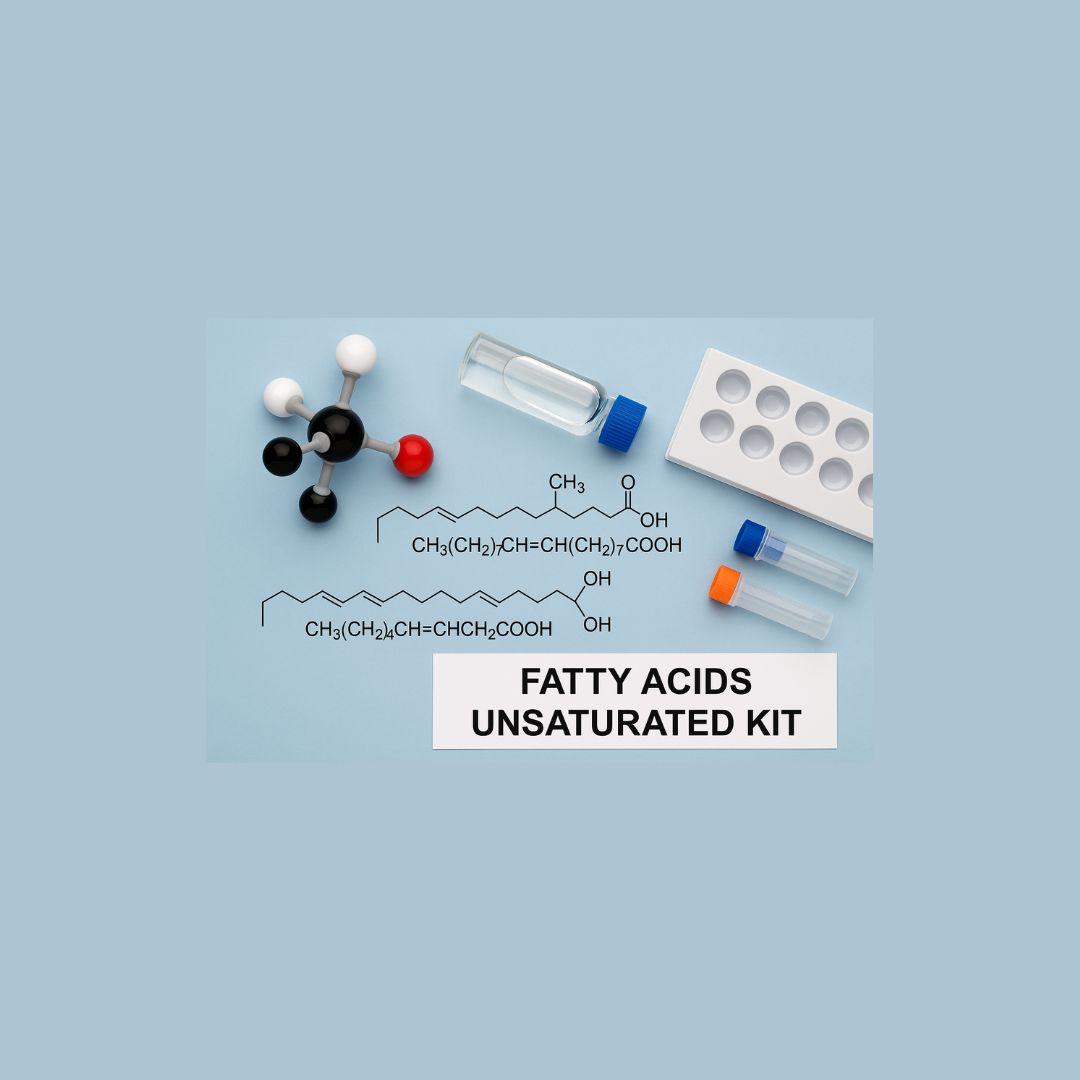
One effective approach is to compare experimental results with authentic reference compounds. Fatty acid reference standards provide known compounds that can be analyzed under defined conditions and used to establish valuable analytical information. Retention time and spectral characteristics can then be compared with experimental data to increase confidence in fatty acid identification.
Understanding Retention-Time Matching
Retention time refers to the amount of time a compound takes to pass through a chromatographic system and reach the detector. Different compounds can interact differently with the stationary and mobile phases, resulting in different retention behavior.
When researchers analyze an authentic fatty acid standard, they can record its retention time under specific LC conditions. This information can later be compared with the retention time of a feature detected in an experimental sample.
Retention time alone may not always be sufficient for complete identification, particularly when closely related compounds have similar chromatographic behavior. However, it can provide an important piece of evidence when combined with other analytical characteristics.
The Importance of Spectral Matching
Mass spectral information provides another important layer of evidence during metabolite identification. When a fatty acid is analyzed by mass spectrometry, it produces characteristic signals that can be compared with reference data.
Researchers can analyze known compounds and record their mass spectra or MS/MS fragmentation patterns. These reference spectra can then be compared with spectra obtained from biological samples.
Fatty acid reference standards therefore help create a practical connection between known chemical compounds and experimental mass spectrometry data. When retention-time and spectral information provide consistent matches, researchers can have greater confidence in their compound assignments.
Combining Retention Time and Spectral Information
Using only one analytical characteristic can create uncertainty when several metabolites have similar properties. Combining multiple measurements provides a stronger identification workflow.
For example, a researcher may detect a feature in a biological sample and observe its accurate mass. The researcher can then compare its retention time with that of an authentic reference compound and examine whether its MS/MS spectrum is consistent with the standard.
This combined approach can provide more convincing evidence than relying solely on accurate mass.
Supporting LC-MS-Based Metabolomics
LC-MS is widely used for studying metabolites because it can separate compounds chromatographically while also providing detailed mass information. However, biological samples can contain hundreds or thousands of molecular features.
Not every detected feature can immediately be assigned to a specific compound. Reference materials can help researchers investigate and confirm relevant features.
A structured collection of fatty acid reference standards can provide researchers with authentic compounds representing different fatty acid structures. IROA Technologies' Fatty Acid Metabolite Library of Standards contains 96 fatty acid metabolites and is designed to support metabolite qualification and quantification as well as phenotypic screening applications.
Improving Fatty Acid Identification
Fatty acids can differ in chain length, saturation, and branching. These structural differences can influence their chromatographic and mass spectrometric behavior.
For researchers studying complex biological samples, distinguishing between related fatty acids can be challenging. Reference compounds allow scientists to observe how individual compounds behave under their selected analytical conditions.
When experimental data closely correspond to the retention time and spectral characteristics of an authentic compound, the evidence for identification becomes stronger.
This makes fatty acid reference standards particularly useful when researchers need to investigate specific fatty acid pathways or compare metabolic profiles between experimental groups.
Applications in Targeted Metabolomics
Targeted metabolomics focuses on a predefined group of metabolites. Researchers may select particular fatty acids based on their biological importance or relevance to a research question.
During targeted method development, reference compounds can be used to determine appropriate chromatographic and mass spectrometry conditions. Researchers can evaluate whether individual fatty acids are adequately separated and detected.
Retention-time information can help establish expected chromatographic behavior, while spectral information can assist with confirming compound identity.
Once the method has been optimized, these reference measurements can contribute to more consistent analysis of biological samples.
Applications in Untargeted Metabolomics
Untargeted metabolomics is designed to capture a broad range of metabolites without restricting analysis to a predetermined list. This approach can reveal unexpected changes in metabolic pathways.
However, untargeted experiments often generate large numbers of unknown features. Researchers need suitable reference information to move from feature detection toward confident metabolite identification.
Fatty acid reference standards can help researchers investigate features suspected to belong to fatty acid metabolic pathways. By comparing experimental retention times and spectral data with authentic standards, researchers can gather additional evidence for metabolite assignments.
Supporting Method Development
Before analyzing large sample sets, researchers generally need to optimize their analytical methods. This may involve adjusting chromatographic gradients, mobile phases, ionization conditions, mass spectrometer settings, and other parameters.
Authentic fatty acid compounds provide useful test materials during this process. Researchers can monitor how standards behave when analytical conditions are changed.
A reference library can therefore help laboratories evaluate separation, detection, and spectral response before moving to complex biological samples.
Building Reliable Reference Data
The quality of reference data is important for meaningful spectral and retention-time matching. Standards should be appropriately characterized and suitable for the analytical platform being used.
IROA's fatty acid metabolite library is designed around authentic compounds and provides reference information for mass spectrometry workflows. The collection includes different fatty acid categories, providing researchers with a broader reference base for metabolomics applications.
Using standardized reference materials can also help laboratories establish consistent analytical workflows across different experiments.
Fatty Acid Reference Standards and Reproducibility
Reproducibility is an important consideration in metabolomics. Variations in chromatography, instrument conditions, sample preparation, and data processing can influence experimental results.
Reference standards provide known points of comparison that can help researchers monitor analytical performance. Repeated analysis of standards can also provide information about retention-time consistency and spectral behavior.
By incorporating reference compounds into an analytical workflow, laboratories can create more structured procedures for identifying and evaluating fatty acids.
The Role of Software in Spectral Matching
Modern metabolomics workflows often combine experimental standards with specialized software. Software can help researchers process LC-MS data, compare spectral information, organize reference measurements, and identify potential compound matches.
IROA Technologies provides metabolomics software alongside its authentic metabolite libraries. These resources can help researchers connect experimental LC-MS measurements with reference information and organize data generated from authentic standards.
When software-based analysis is combined with reliable reference compounds, the process of evaluating retention-time and spectral matches can become more systematic.
Choosing Suitable Fatty Acid Reference Standards
Researchers should consider several factors when selecting standards for their analytical workflow. The compounds included in the reference collection should be relevant to the research objectives and sufficiently diverse for the metabolites being studied.
Purity, analytical compatibility, compound coverage, documentation, and library format are also important considerations.
A reference collection that covers different fatty acid chain lengths and structural types can provide broader support for studies involving complex lipid and metabolic pathways.
Conclusion
Retention-time and spectral matching are valuable approaches for improving confidence in fatty acid identification. By comparing experimental LC-MS measurements with data generated from authentic compounds, researchers can gather multiple forms of evidence when assigning metabolites.
Fatty acid reference standards provide an important foundation for this process. They can support method development, targeted and untargeted metabolomics, spectral comparison, retention-time matching, and reproducibility.
As metabolomics research continues to generate increasingly complex datasets, combining authentic reference compounds with accurate analytical measurements and appropriate software can help researchers interpret fatty acid profiles with greater confidence.
Accurate metabolite identification is an important part of modern metabolomics research. As analytical technologies such as liquid chromatography-mass spectrometry (LC-MS) continue to generate increasingly detailed datasets, researchers need reliable ways to determine which compounds are present in biological samples. Fatty acids are particularly interesting because they include many structurally related compounds that can produce similar analytical signals.
One effective approach is to compare experimental results with authentic reference compounds. Fatty acid reference standards provide known compounds that can be analyzed under defined conditions and used to establish valuable analytical information. Retention time and spectral characteristics can then be compared with experimental data to increase confidence in fatty acid identification.
Understanding Retention-Time Matching
Retention time refers to the amount of time a compound takes to pass through a chromatographic system and reach the detector. Different compounds can interact differently with the stationary and mobile phases, resulting in different retention behavior.
When researchers analyze an authentic fatty acid standard, they can record its retention time under specific LC conditions. This information can later be compared with the retention time of a feature detected in an experimental sample.
Retention time alone may not always be sufficient for complete identification, particularly when closely related compounds have similar chromatographic behavior. However, it can provide an important piece of evidence when combined with other analytical characteristics.
The Importance of Spectral Matching
Mass spectral information provides another important layer of evidence during metabolite identification. When a fatty acid is analyzed by mass spectrometry, it produces characteristic signals that can be compared with reference data.
Researchers can analyze known compounds and record their mass spectra or MS/MS fragmentation patterns. These reference spectra can then be compared with spectra obtained from biological samples.
Fatty acid reference standards therefore help create a practical connection between known chemical compounds and experimental mass spectrometry data. When retention-time and spectral information provide consistent matches, researchers can have greater confidence in their compound assignments.
Combining Retention Time and Spectral Information
Using only one analytical characteristic can create uncertainty when several metabolites have similar properties. Combining multiple measurements provides a stronger identification workflow.
For example, a researcher may detect a feature in a biological sample and observe its accurate mass. The researcher can then compare its retention time with that of an authentic reference compound and examine whether its MS/MS spectrum is consistent with the standard.
This combined approach can provide more convincing evidence than relying solely on accurate mass.
Supporting LC-MS-Based Metabolomics
LC-MS is widely used for studying metabolites because it can separate compounds chromatographically while also providing detailed mass information. However, biological samples can contain hundreds or thousands of molecular features.
Not every detected feature can immediately be assigned to a specific compound. Reference materials can help researchers investigate and confirm relevant features.
A structured collection of fatty acid reference standards can provide researchers with authentic compounds representing different fatty acid structures. IROA Technologies' Fatty Acid Metabolite Library of Standards contains 96 fatty acid metabolites and is designed to support metabolite qualification and quantification as well as phenotypic screening applications.
Improving Fatty Acid Identification
Fatty acids can differ in chain length, saturation, and branching. These structural differences can influence their chromatographic and mass spectrometric behavior.
For researchers studying complex biological samples, distinguishing between related fatty acids can be challenging. Reference compounds allow scientists to observe how individual compounds behave under their selected analytical conditions.
When experimental data closely correspond to the retention time and spectral characteristics of an authentic compound, the evidence for identification becomes stronger.
This makes fatty acid reference standards particularly useful when researchers need to investigate specific fatty acid pathways or compare metabolic profiles between experimental groups.
Applications in Targeted Metabolomics
Targeted metabolomics focuses on a predefined group of metabolites. Researchers may select particular fatty acids based on their biological importance or relevance to a research question.
During targeted method development, reference compounds can be used to determine appropriate chromatographic and mass spectrometry conditions. Researchers can evaluate whether individual fatty acids are adequately separated and detected.
Retention-time information can help establish expected chromatographic behavior, while spectral information can assist with confirming compound identity.
Once the method has been optimized, these reference measurements can contribute to more consistent analysis of biological samples.
Applications in Untargeted Metabolomics
Untargeted metabolomics is designed to capture a broad range of metabolites without restricting analysis to a predetermined list. This approach can reveal unexpected changes in metabolic pathways.
However, untargeted experiments often generate large numbers of unknown features. Researchers need suitable reference information to move from feature detection toward confident metabolite identification.
Fatty acid reference standards can help researchers investigate features suspected to belong to fatty acid metabolic pathways. By comparing experimental retention times and spectral data with authentic standards, researchers can gather additional evidence for metabolite assignments.
Supporting Method Development
Before analyzing large sample sets, researchers generally need to optimize their analytical methods. This may involve adjusting chromatographic gradients, mobile phases, ionization conditions, mass spectrometer settings, and other parameters.
Authentic fatty acid compounds provide useful test materials during this process. Researchers can monitor how standards behave when analytical conditions are changed.
A reference library can therefore help laboratories evaluate separation, detection, and spectral response before moving to complex biological samples.
Building Reliable Reference Data
The quality of reference data is important for meaningful spectral and retention-time matching. Standards should be appropriately characterized and suitable for the analytical platform being used.
IROA's fatty acid metabolite library is designed around authentic compounds and provides reference information for mass spectrometry workflows. The collection includes different fatty acid categories, providing researchers with a broader reference base for metabolomics applications.
Using standardized reference materials can also help laboratories establish consistent analytical workflows across different experiments.
Fatty Acid Reference Standards and Reproducibility
Reproducibility is an important consideration in metabolomics. Variations in chromatography, instrument conditions, sample preparation, and data processing can influence experimental results.
Reference standards provide known points of comparison that can help researchers monitor analytical performance. Repeated analysis of standards can also provide information about retention-time consistency and spectral behavior.
By incorporating reference compounds into an analytical workflow, laboratories can create more structured procedures for identifying and evaluating fatty acids.
The Role of Software in Spectral Matching
Modern metabolomics workflows often combine experimental standards with specialized software. Software can help researchers process LC-MS data, compare spectral information, organize reference measurements, and identify potential compound matches.
IROA Technologies provides metabolomics software alongside its authentic metabolite libraries. These resources can help researchers connect experimental LC-MS measurements with reference information and organize data generated from authentic standards.
When software-based analysis is combined with reliable reference compounds, the process of evaluating retention-time and spectral matches can become more systematic.
Choosing Suitable Fatty Acid Reference Standards
Researchers should consider several factors when selecting standards for their analytical workflow. The compounds included in the reference collection should be relevant to the research objectives and sufficiently diverse for the metabolites being studied.
Purity, analytical compatibility, compound coverage, documentation, and library format are also important considerations.
A reference collection that covers different fatty acid chain lengths and structural types can provide broader support for studies involving complex lipid and metabolic pathways.
Conclusion
Retention-time and spectral matching are valuable approaches for improving confidence in fatty acid identification. By comparing experimental LC-MS measurements with data generated from authentic compounds, researchers can gather multiple forms of evidence when assigning metabolites.
Fatty acid reference standards provide an important foundation for this process. They can support method development, targeted and untargeted metabolomics, spectral comparison, retention-time matching, and reproducibility.
As metabolomics research continues to generate increasingly complex datasets, combining authentic reference compounds with accurate analytical measurements and appropriate software can help researchers interpret fatty acid profiles with greater confidence.
