Used Machinery Market for Small Shops: Smart Investments for Business Expansion
Author : Ayesha Diaz | Published On : 05 Mar 2026
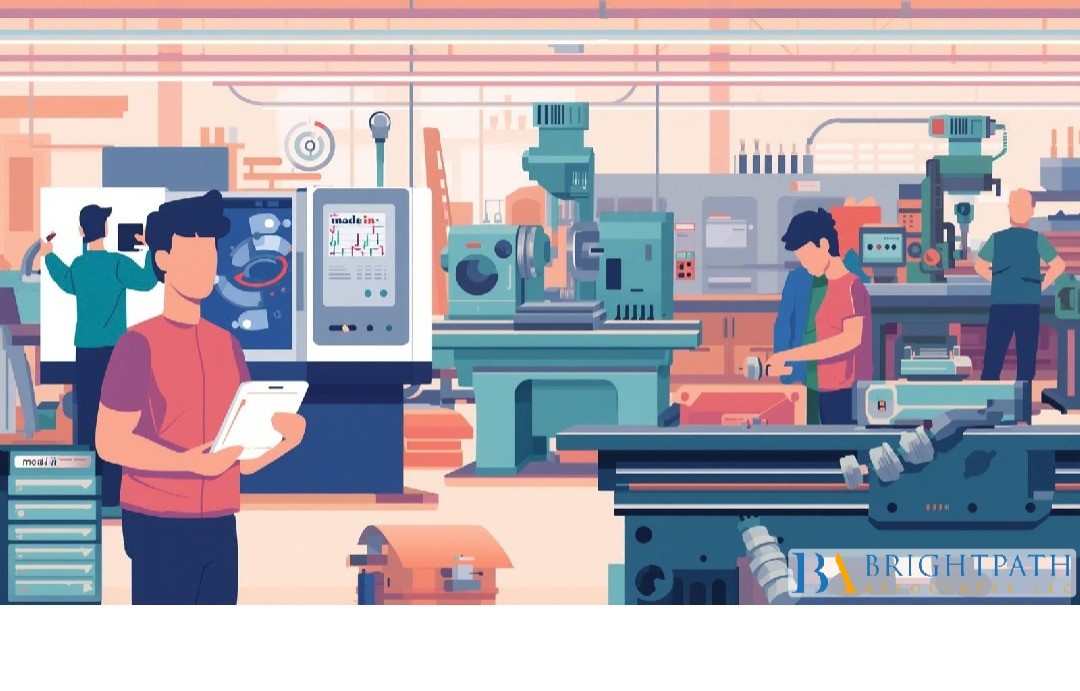
For many small and mid-sized manufacturing businesses, growth often depends on access to the right equipment at the right cost. While large corporations may have the capital to purchase brand-new machinery, smaller machine shops and manufacturing facilities frequently operate under tighter budgets. This is where the used machinery market becomes an essential strategic resource.
Across the machinery sector, the demand for pre-owned equipment has grown steadily as businesses look for ways to expand production capacity while managing capital expenditures. In fact, many companies choose used machinery because it can cost 30–70% less than new equipment, enabling organizations to scale operations without overextending financially.
For leaders navigating growth opportunities, understanding how to leverage the used machinery market can unlock significant operational advantages. Companies operating within the Machinery Industry increasingly recognize that strategic investments in pre-owned equipment can accelerate expansion, improve flexibility, and strengthen competitive positioning.
Growing Demand for Used Machinery
The global used equipment market is expanding as small and mid-sized businesses seek cost-effective solutions for production growth. Market research indicates that a large share of buyers in the used equipment market are small manufacturing companies looking to reduce capital investment while maintaining operational efficiency. For many organizations, the decision to purchase used machinery is driven by practical considerations:
-
Limited capital budgets
-
Faster equipment availability
-
Reduced depreciation risk
-
Immediate production needs
Rather than waiting months for new machinery to be manufactured and delivered, companies can often acquire used equipment quickly and begin using it almost immediately. This agility allows businesses to respond rapidly to new contracts, production demands, or expansion opportunities. For smaller machine shops especially, this ability to scale operations quickly can be the difference between capturing new opportunities or losing them to competitors.
Why Used Machinery Makes Financial Sense
One of the primary reasons small shops invest in used equipment is financial efficiency. Purchasing new industrial machinery can require a significant upfront investment, which may not always align with the cash flow realities of smaller businesses.
Used machinery, on the other hand, allows companies to reduce capital expenditures dramatically. Studies show that many small and medium enterprises choose used equipment specifically to save 40–60% compared to purchasing new machines. These cost savings can then be redirected into other strategic priorities such as:
-
Hiring skilled operators and technicians
-
Expanding production capacity
-
Investing in digital manufacturing technologies
-
Improving supply chain infrastructure
For business owners seeking to balance financial discipline with operational growth, used machinery represents a practical and effective investment strategy.
Faster Expansion for Small Machine Shops
For small manufacturing businesses, timing can be critical. A new contract, customer demand surge, or production backlog may require additional equipment quickly. Waiting months for new machinery to be built and delivered can slow business growth and create operational bottlenecks. Used machinery offers a faster alternative.
Because pre-owned equipment is typically already available on the market, companies can purchase and deploy machines far more quickly. This immediate availability enables businesses to increase capacity without delaying production schedules. In competitive manufacturing markets, this speed can help small companies remain agile and responsive to changing customer needs.
Sustainability and Circular Manufacturing
Another important advantage of the used machinery market is sustainability. Reusing industrial equipment supports circular economy principles by extending the lifecycle of existing assets rather than manufacturing new ones.
Producing heavy machinery requires large quantities of raw materials and energy. By purchasing used equipment, companies help reduce the environmental impact associated with manufacturing new machines. Reusing machinery also prevents valuable equipment from being prematurely scrapped or discarded, reducing industrial waste and supporting more sustainable manufacturing practices.
Digital Marketplaces Transforming Equipment Access
Technology is also reshaping how companies buy and sell used machinery. Online marketplaces and digital platforms now allow businesses to browse global inventories, compare prices, and review equipment specifications from multiple suppliers.
These digital platforms provide additional transparency by offering detailed equipment histories, inspection reports, and maintenance documentation. As a result, buyers can make more informed decisions when evaluating used equipment options. For a deeper look into strategies and considerations surrounding this topic, explore the insights shared in Used Machinery Market for Small Shops: Smart Investments for Business Expansion.
Role of Talent in Machinery-Driven Growth
While equipment investments are critical, machines alone do not drive business success. Skilled operators, technicians, engineers, and production managers are essential for maximizing equipment efficiency and maintaining operational excellence.
As manufacturing technologies evolve, businesses increasingly need professionals who understand advanced machinery, automation systems, and digital manufacturing tools. Companies that combine smart equipment investments with strategic hiring gain a powerful advantage—ensuring both the technology and the expertise needed to drive sustainable growth.
Final Thoughts
The used machinery market offers tremendous opportunities for small and mid-sized manufacturing companies seeking cost-effective expansion. By investing in reliable pre-owned equipment, businesses can increase production capacity, improve financial flexibility, and remain competitive in rapidly changing markets
