Use of AI and Automation in Construction and Structural Design
Author : Construction News | Published On : 04 Apr 2026
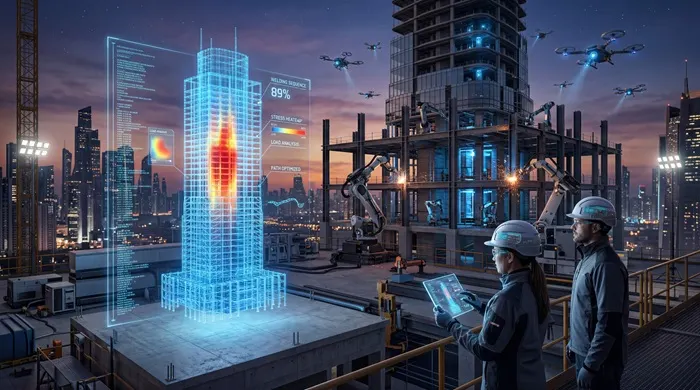
Construction has always depended on precision, planning, and coordination. Over the last few years, the industry has started using artificial intelligence and automation to handle these challenges more efficiently. These technologies are not replacing engineers or architects. They are helping them make better decisions, reduce errors, and manage projects more effectively.
Smarter Planning and Design
One of the biggest changes is happening at the design stage. AI tools can analyse large amounts of data and suggest better design options. Engineers can now test multiple structural models before finalising a plan.
For example, AI-based software can:
-
Predict how a structure will behave under different loads
-
Identify design flaws early
-
Optimise material usage
This reduces the chances of costly changes during construction. It also helps create safer and more efficient structures.
Also Read : Building the Future: The Rise of Modern Construction Methods
Faster and More Accurate Structural Analysis
Structural design involves complex calculations. Traditionally, engineers spent hours analysing load distribution, stress points, and material strength. AI tools can now perform these calculations quickly and with high accuracy.
Automation helps in:
-
Running simulations in minutes
-
Comparing multiple design scenarios
-
Reducing manual errors
This allows engineers to focus more on problem-solving rather than repetitive calculations.
Improved Project Management
Construction projects often face delays due to poor coordination, unexpected risks, or resource issues. AI is helping project managers predict and manage these challenges.
AI systems can analyse past project data and provide insights such as:
-
Possible delays based on weather or supply issues
-
Labour and resource requirements
-
Budget estimations
These insights help teams plan better and avoid disruptions. Automation also improves scheduling and task tracking.
Also Read : How AI is Changing Structural Engineering
Role of Robotics and Automation on Site
Automation is not limited to planning and design. It is also being used on construction sites.
Robotics and automated machines are used for:
-
Bricklaying and concrete work
-
Material handling
-
Site inspections using drones
These technologies improve speed and reduce the need for manual labour in risky tasks. Drones, for instance, can monitor site progress and capture real-time data without interrupting work.
Enhanced Safety Measures
Safety is a major concern in construction. AI tools help identify potential hazards before they become serious issues.
For example:
-
AI-powered cameras can detect unsafe behaviour on site
-
Predictive systems can warn about equipment failures
-
Data analysis helps identify high-risk zones
This reduces accidents and creates a safer working environment.
Cost Efficiency and Resource Optimisation
Construction projects often go over budget due to poor planning or resource wastage. AI helps optimise both cost and resources.
It can:
-
Suggest efficient material usage
-
Reduce waste during construction
-
Improve energy efficiency in building design
Automation also reduces the need for repeated work, which saves time and money.
Sustainability and Green Construction
AI is playing an important role in sustainable construction. It helps design buildings that consume less energy and have a lower environmental impact.
Some applications include:
-
Optimising building orientation for natural light
-
Reducing carbon footprint through material selection
-
Improving energy performance of structures
These practices support long-term environmental goals.
Challenges and Limitations
While AI and automation offer many benefits, there are challenges as well.
-
High initial investment in technology
-
Need for skilled professionals
-
Resistance to change in traditional practices
Companies need to invest in training and adopt a balanced approach to use these technologies effectively.
Conclusion
AI and automation are reshaping construction and structural design. They are making processes faster, safer, and more efficient. However, these technologies work best when combined with human expertise.
Engineers, architects, and project managers still play a central role. AI simply enhances their ability to design better structures and manage projects with greater accuracy.
As the industry continues to evolve, the integration of technology and human skills will define the future of construction.
