USA Regenerative Braking Systems Market to Cross USD 15 Billion as EV Adoption Accelerates Across Pa
Author : latika bhardwaj | Published On : 12 May 2026
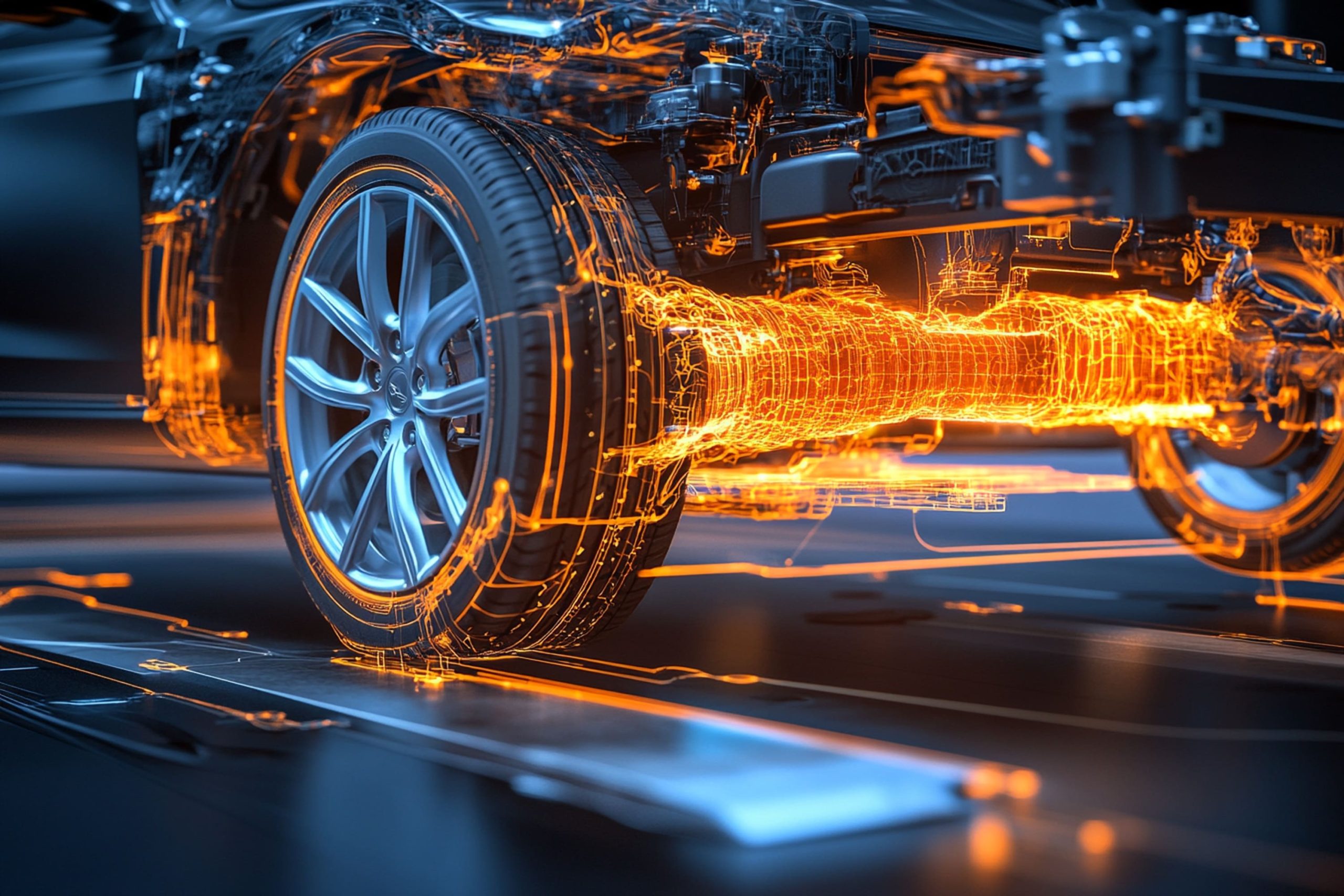
The US automotive sector has entered a phase where efficiency matters almost as much as horsepower. As electric vehicles become more common on American roads, regenerative braking systems are quietly turning into a core part of modern vehicle design rather than just a premium feature. These systems recover energy during braking and feed it back into the battery, helping vehicles stretch driving range while reducing wear on traditional brake components. In 2026, this technology is no longer limited to Tesla or high-end EVs. Hybrid SUVs, electric delivery vans, city buses, and even some performance vehicles now rely on regenerative braking in everyday operation. The shift is tied closely to federal emission targets, battery cost reductions, and changing consumer expectations. Drivers today pay closer attention to efficiency figures, especially with fuel prices remaining unpredictable in many states. For automakers, regenerative braking offers a practical way to improve energy usage without dramatically altering vehicle architecture. Still, the technology comes with trade-offs. Fine-tuning brake feel and ensuring smooth transitions between regenerative and friction braking remains a technical balancing act for manufacturers.
What’s Driving the Regenerative Braking Systems Market in the USA?
Electric Vehicle Sales Continue to Climb
The steady rise in EV adoption across the United States has created direct demand for regenerative braking technologies. Brands such as Tesla, Ford, Hyundai, and General Motors have expanded their electric lineups well beyond niche models. Pickup trucks like the Ford F-150 Lightning and electric SUVs now bring regenerative braking into mainstream vehicle segments where range anxiety remains a real concern for buyers. In practice, every extra mile matters. Automakers are under pressure to squeeze more efficiency out of battery packs without sharply increasing vehicle costs. Regenerative braking helps solve part of that equation by recovering energy that would otherwise be lost as heat during braking.
Emission Rules Are Tightening Across States
California continues to influence automotive policy far beyond its own borders. Several states have adopted aggressive zero-emission vehicle mandates, pushing manufacturers to accelerate electrification plans faster than many originally intended. Federal fuel economy standards are also becoming harder to meet with conventional combustion engines alone. This regulatory pressure has changed supplier priorities as well. Brake system manufacturers are spending more on software integration, electronic controls, and brake-by-wire technology because traditional mechanical systems no longer meet the efficiency targets modern EVs require. A common challenge is ensuring that these advanced systems remain reliable in harsh weather and high-speed driving conditions.
Smarter Vehicles Need Smarter Braking Systems
Modern vehicles are packed with sensors, autonomous driving features, and advanced driver-assistance technologies. Regenerative braking systems now work alongside adaptive cruise control, collision avoidance software, and intelligent traction systems. That integration opens the door for more precise energy recovery and smoother driving experiences. Some automakers are already experimenting with predictive braking, where the vehicle adjusts regenerative force based on traffic patterns, road elevation, or navigation data. While impressive on paper, these systems still need refinement. Drivers often notice unnatural brake response in poorly calibrated setups, particularly in lower-cost EV models.
Government-Led Initiatives Supporting Electrification
Public policy has played a major role in accelerating EV-related technologies across the US market. Tax credits for electric vehicles, investments in charging infrastructure, and funding for domestic battery manufacturing have strengthened confidence among both manufacturers and consumers. States including New York and Washington continue to invest heavily in electric public transportation fleets, creating additional demand for regenerative braking systems in buses and commercial vehicles. There is also growing political pressure to localize parts production. Many manufacturers now prefer sourcing braking electronics and battery components domestically to reduce supply chain risks after the disruptions seen during the early 2020s.
Market Competition and Technology Landscape
Competition in the regenerative braking space has become far more intense over the past few years. Major suppliers such as Robert Bosch GmbH, ZF Friedrichshafen AG, Continental AG, and Denso Corporation are investing heavily in electronically controlled braking systems. At the same time, automakers like Tesla, Inc. continue to develop more in-house braking software to optimize vehicle efficiency. One noticeable shift in the market is the move toward brake-by-wire systems. These setups replace many mechanical linkages with electronic controls, offering more flexibility for energy recovery. Yet they also raise concerns around cybersecurity, software reliability, and long-term maintenance costs.
High Development Costs and Integration Complexity
Despite strong momentum, regenerative braking systems remain expensive to engineer and calibrate. The challenge goes beyond hardware alone. Software integration, battery communication systems, and real-time brake management all require extensive testing before vehicles can meet safety standards. Smaller manufacturers often struggle to justify those investments, especially in price-sensitive vehicle segments.
For more insights visit : Automotive Reports
Future Outlook
By 2030, regenerative braking will likely become standard equipment across most electric and hybrid vehicle categories in the United States. Commercial fleets, delivery vans, and public transit systems are expected to adopt more advanced energy recovery systems as operators focus on lowering operating costs and extending battery life. The technology itself will probably become less visible to drivers, which in many ways signals maturity. Better software calibration and AI-assisted braking management should make regenerative systems feel more natural behind the wheel. Companies that can combine efficiency, reliability, and lower system costs will hold a stronger position as competition intensifies throughout the decade.
Consultants at Nexdigm, in their latest publication “USA Regenerative Braking Systems Market Outlook to 2030”, analyzed the market by Component Type (Battery, Motor, Electronic Control Unit, Flywheel), By Vehicle Type (Passenger Vehicles, Commercial Vehicles, Electric Buses), By Propulsion (BEV, HEV, PHEV), and By Sales Channel (OEMs and Aftermarket). Nexdigm believes that businesses should prioritize investments in intelligent braking software, brake-by-wire integration, and partnerships with EV manufacturers while leveraging advancements in autonomous and connected vehicle technologies as key growth drivers in the regenerative braking systems market.
To take the next step, simply visit our Request a Consultation page and share your requirements with us.
Harsh Mittal
+91-8422857704
