Unraveling the Timeless Allure of Oushak Rugs: A Journey Through History and Design
Author : Eleanor Perry | Published On : 30 Jul 2026
Unraveling the Timeless Allure of Oushak Rugs: A Journey Through History and Design
Oushak rugs are not merely decorative items; they are a tapestry of history, culture, and artistry woven into every strand. Originating from the town of Oushak in western Turkey, these rugs have captivated hearts and homes for centuries. Their rich textures and intricate designs tell stories of the past, linking us to the artisans who painstakingly crafted them. As we delve deeper into the world of Oushak rugs, we will explore their historical significance, distinctive characteristics, and the design elements that make them a timeless choice for any interior. Whether you are a seasoned collector or a curious newcomer, understanding the essence of Oushak rugs will surely enhance your appreciation for these magnificent textiles.
Historical Background of Oushak Rugs
The history of Oushak rugs dates back to the 15th century, making them some of the oldest and most revered textiles in the world. Originating from the town of Oushak, these rugs were initially created for the Ottoman Empire, a civilization known for its rich cultural heritage and artistic expression. The Ottoman influence significantly shaped the design and production of these rugs, with motifs and patterns that reflected the empire's grandeur. Trade routes connecting Europe and Asia played a crucial role in the spread of Oushak rugs, allowing them to gain popularity among European nobility in the 16th and 17th centuries. Wealthy patrons commissioned Oushak rugs for their palaces and homes, further solidifying their status as luxurious items.
Throughout history, Oushak rugs have undergone various transformations, adapting to changing tastes and styles. Despite the shifts in design, the hallmark of Oushak rugs has remained their exquisite craftsmanship and the use of vibrant colors. Many of these rugs feature motifs inspired by nature, geometric patterns, and intricate floral designs, each telling its own story. The influence of different cultural exchanges and artistic movements over the centuries has contributed to the rich tapestry of Oushak rug history, making them a symbol of both artistic expression and cultural significance.
Characteristics of Oushak Rugs
Oushak rugs are renowned for their unique characteristics that set them apart from other types of carpets. One of the defining features is the materials used in their creation. Traditionally, Oushak rugs are hand-woven using high-quality wool, which lends them a soft texture and durability. The use of natural dyes adds to their appeal, as the colors are often warm and inviting, ranging from soft pastels to deep, rich tones. The weaving techniques employed by skilled artisans also play a vital role in the rug's overall quality. Oushak rugs typically utilize a Turkish knot, which creates a dense and plush surface.
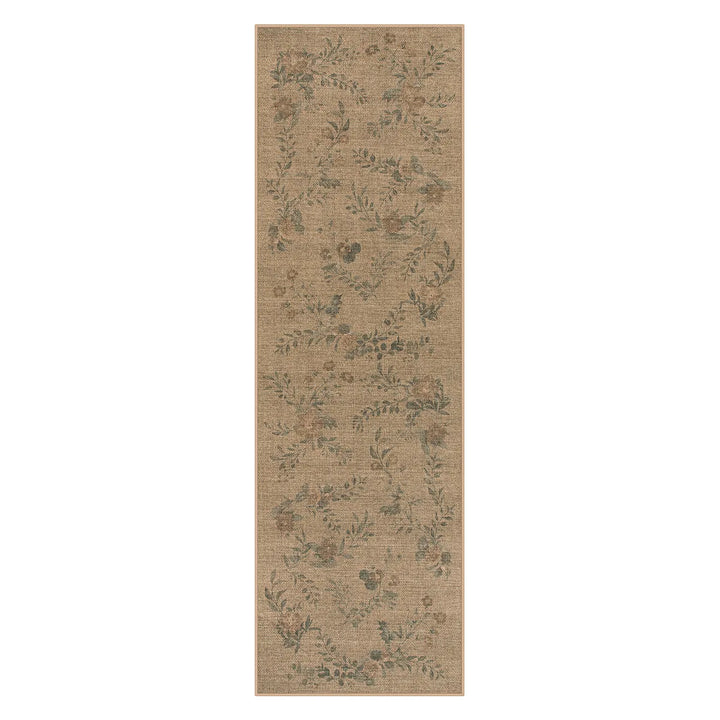
The designs found in Oushak rugs are equally noteworthy. They often feature large-scale patterns, a departure from the intricate details common in Persian rugs. This bold approach allows for a striking visual impact, making Oushak rugs ideal focal points in any room. Common motifs include geometric shapes, palmettes, and floral designs, each rich in symbolism. The color palette is another significant aspect; warm earth tones, soft blues, and vibrant reds are prevalent, often blending harmoniously to create an inviting atmosphere. These characteristics not only showcase the artistry involved in their production but also highlight the cultural narratives that have shaped their evolution over time.
Design Elements in Oushak Rugs
The design elements of Oushak rugs reflect a deep cultural narrative, showcasing the artistic expression of the weavers. The patterns often embody a sense of symmetry and balance, drawing the eye across the rug and creating a harmonious flow. This aesthetic appeal is not purely decorative; it also serves a functional purpose, as the patterns can help hide dirt and wear over time, making these rugs practical for everyday use.
One of the most fascinating aspects of Oushak rugs is their craftsmanship. Each rug is a product of countless hours of labor, with artisans employing techniques passed down through generations. The skill involved in creating these pieces is evident in the precision of the designs and the quality of the weave. As I recall a friend’s recent experience of purchasing an Oushak rug, she highlighted how the intricate patterns and vibrant colors transformed her living space, adding warmth and character. The craftsmanship not only signifies the cultural heritage but also serves as a connection between the past and present, allowing us to appreciate the artistry behind each piece.
The Modern Relevance of Oushak Rugs
Oushak rugs have gained popularity in recent years, serving as stunning centerpieces that bring character and charm to contemporary decor. Designers have drawn inspiration from their unique versatility, which complements a wide range of styles, whether minimalist or eclectic. Moreover, as sustainability and craftsmanship become more valued in today’s market, the appeal of Oushak rugs continues to grow. Their handmade nature and the use of natural materials resonate with consumers seeking authentic and lasting pieces for their homes. This trend not only ensures the continued relevance of Oushak rugs but also supports the artisans and communities that create them, fostering a deeper appreciation for cultural heritage in our modern lives.
Celebrating the Cultural Heritage of Oushak Rugs
The enduring charm of Oushak rugs lies in their rich history, unique characteristics, and artistic design elements. These rugs serve as a bridge connecting us to the past while remaining relevant in contemporary settings. As we appreciate the beauty and craftsmanship behind Oushak rugs, we also celebrate the cultural narratives they embody. Whether as a statement piece in a home or a collector's treasure, Oushak rugs invite us to explore the artistry of textiles and the stories they tell across time and space.
