Unlock Your Career Potential Through Expert Professional Guidance
Author : D2D Consulting | Published On : 24 Nov 2026
Building a Successful Career Starts With the Right Direction
A successful career is rarely the result of luck alone. It requires thoughtful planning, continuous learning, confidence, and the ability to recognise opportunities at the right time. Whether someone is entering the professional world, considering a career change, or aiming for a leadership position, having a clear direction can make a significant difference. Professional guidance helps individuals understand their strengths, overcome challenges, and make informed decisions about their future. With the right career coaching perth support, professionals can develop a structured approach to achieving their ambitions while gaining greater clarity about their personal and professional goals.
Many people work hard throughout their careers but still feel uncertain about their next move. They may struggle to identify suitable opportunities, communicate their value, or balance professional responsibilities with personal aspirations. Career coaching provides a dedicated space to explore these concerns and create practical solutions. Instead of making decisions based on uncertainty, individuals can approach their professional journeys with a clearer vision and greater confidence.
Understanding Your Strengths and Professional Aspirations
One of the most important steps towards career success is understanding what makes you valuable as a professional. Every individual has a unique combination of skills, experiences, interests, and personal qualities. However, identifying these strengths is not always easy, particularly when daily responsibilities leave little time for self-reflection.
Career guidance encourages individuals to examine their professional experiences, recognise their achievements, and identify areas where they can improve. This process can reveal abilities that may have been overlooked or underused. It also helps professionals understand which types of responsibilities and working environments align with their long-term interests.
Having a realistic understanding of personal strengths makes career decisions more purposeful. Rather than pursuing opportunities simply because they are available, individuals can focus on positions that support their abilities and aspirations. This approach can lead to greater job satisfaction, improved performance, and a stronger sense of professional identity.
Overcoming Workplace Challenges With Greater Confidence
Professional life comes with challenges that can affect motivation and career development. Difficult workplace relationships, unclear expectations, changing organisational structures, and demanding responsibilities can sometimes make it difficult to maintain progress. Even highly experienced professionals may experience periods when they question their abilities or feel uncertain about their future.
Coaching offers an opportunity to examine these situations objectively and develop constructive responses. A coach can help individuals identify the underlying causes of workplace difficulties, consider alternative perspectives, and explore practical ways to move forward. This guidance can be particularly valuable when preparing for difficult conversations, managing professional expectations, or adapting to new responsibilities.
Confidence also plays an important role in workplace success. Professionals who understand their capabilities are often better prepared to communicate ideas, contribute to discussions, and take responsibility for important decisions. Developing confidence does not mean avoiding mistakes or challenges. It means learning how to respond to them productively while continuing to build professional experience.
Developing Leadership Skills for Long-Term Success
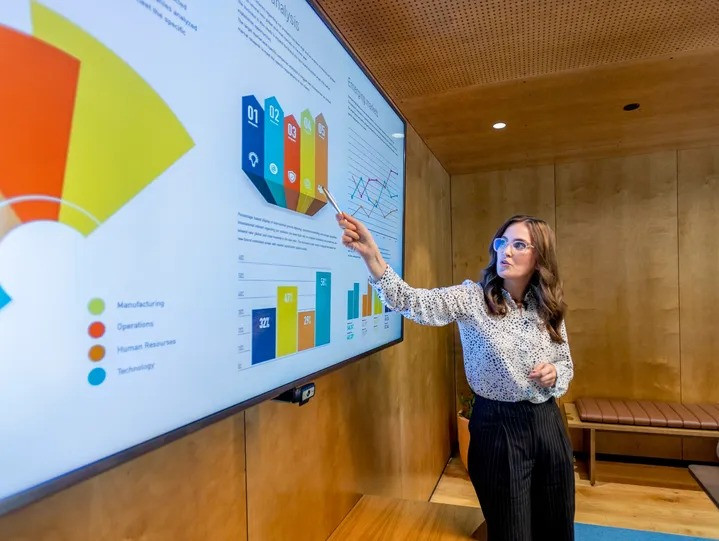
Leadership is not limited to individuals holding senior management positions. Employees at different stages of their careers can demonstrate leadership through communication, accountability, collaboration, and problem-solving. Developing these qualities can create opportunities for greater responsibility and professional advancement.
Effective leadership requires more than technical knowledge. It involves understanding people, managing competing priorities, providing constructive feedback, and making thoughtful decisions under pressure. Professionals who want to move into management roles must learn how to balance individual performance with the needs of their teams.
Coaching can help individuals recognise their existing leadership abilities and identify areas requiring further development. It can also encourage better communication habits, emotional awareness, strategic thinking, and decision-making skills. These capabilities are valuable across industries because organisations need people who can adapt to change and contribute positively to workplace culture.
By investing in leadership development, professionals can prepare themselves for future opportunities instead of waiting until a promotion requires skills they have not yet developed.
Moving Forward With Career Progression Coaching for Professionals
As professional expectations continue to change, individuals need more than experience alone to remain competitive and confident. They must understand their strengths, identify development opportunities, and prepare for the responsibilities they want to take on. career progression coaching for professionals can support this process by providing structured guidance, encouraging accountability, and helping individuals turn professional ambitions into achievable goals.
Whether someone wants to strengthen their leadership capabilities, improve workplace performance, prepare for a promotion, or explore a different career direction, personalised coaching can provide valuable perspective. It encourages professionals to examine their current position, recognise potential obstacles, and take practical steps towards meaningful advancement.
The greatest benefit of career development is not simply reaching a particular job title. It is becoming more capable, confident, and prepared to navigate different stages of professional life. With consistent effort and a clear development strategy, individuals can create opportunities that reflect their abilities and ambitions.
Conclusion
A fulfilling career is built through informed decisions, continuous development, and the willingness to embrace new challenges. Understanding personal strengths, improving leadership abilities, strengthening communication, and setting realistic goals can help professionals create a more rewarding future. The right guidance can make these steps easier to understand and implement, allowing individuals to approach their ambitions with greater clarity.
For professionals seeking meaningful growth and practical workplace guidance, d2dconsulting.com.au offers an opportunity to explore how professional development and coaching can support stronger career outcomes. Taking the first step towards personal and professional improvement today can create lasting benefits for tomorrow.
