Unlock the Secrets to Perfectly Sterilizing Baby Bottles Every Time!
Author : James Ringhouse | Published On : 18 Mar 2026
Unlock the Secrets to Perfectly Sterilizing Baby Bottles Every Time!
As a new parent, ensuring your baby's health and safety is of utmost importance, and one crucial aspect of this responsibility is the proper sterilization of baby bottles. With the myriad of germs and bacteria in our environments, it's natural for parents to have concerns about bottle hygiene. Contaminated bottles can pose serious risks to a baby's health, potentially leading to infections or gastrointestinal issues. This article aims to provide you with effective methods and techniques for sterilizing mam bottles, ensuring that your little one is always safe and sound during feeding time.
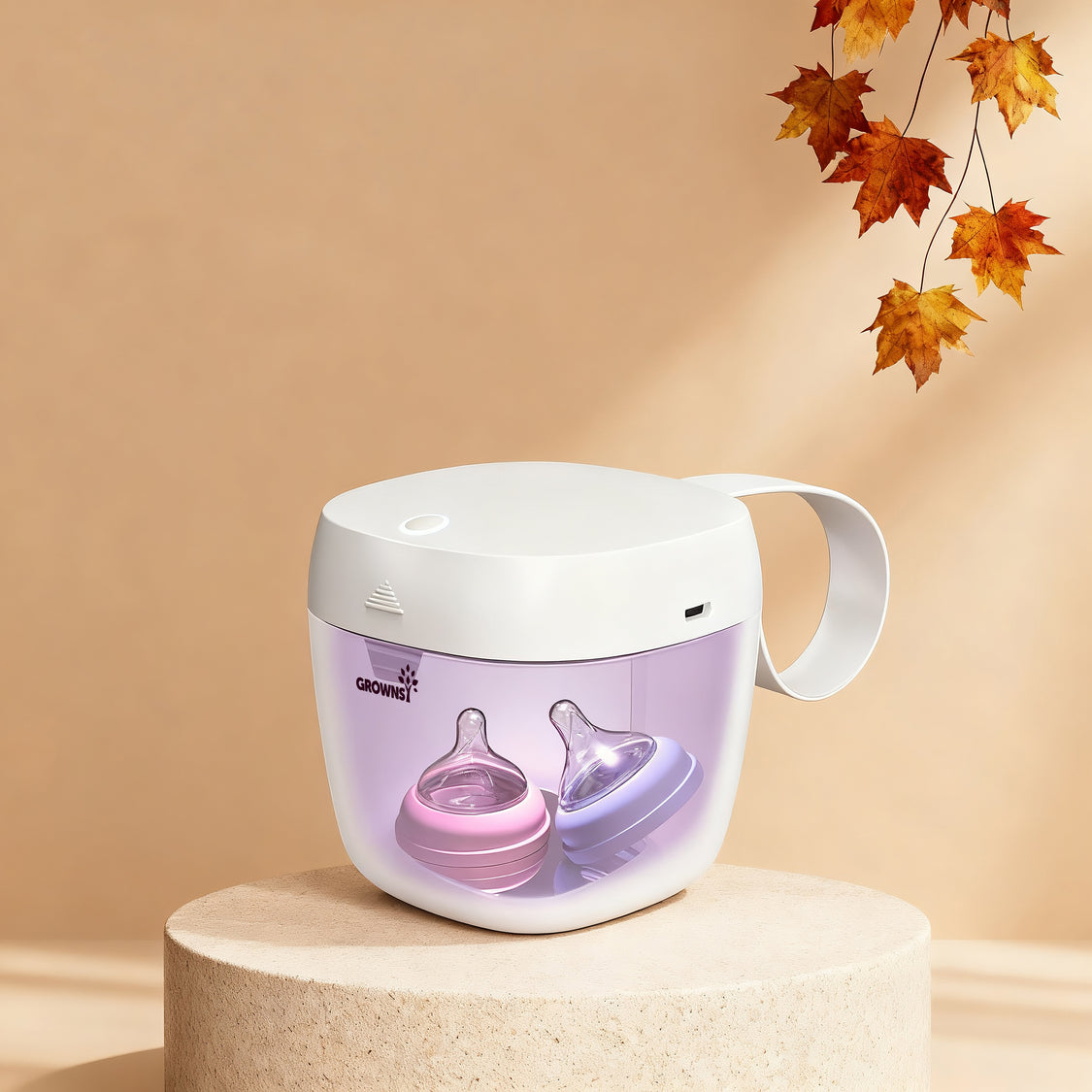
Understanding the Need for Sterilization
Sterilization is a vital process in keeping your baby's feeding equipment safe from harmful bacteria and germs. Newborns have developing immune systems, making them particularly vulnerable to infections. While regular cleaning removes visible dirt and milk residues, it does not eliminate pathogens that could linger on the surfaces of the bottles. Sterilization, on the other hand, is a process that effectively kills these microorganisms, providing an extra layer of protection for your baby. The distinction between cleaning and sterilizing is essential for parents to grasp; cleaning is about removing debris, while sterilizing is about eliminating potential health hazards. This understanding is crucial for maintaining a healthy feeding routine for your baby.
Methods for Sterilizing Mam Bottles
There are several effective methods for sterilizing mam bottles, and each has its advantages. The three most popular techniques are boiling, steam sterilization, and chemical sterilization. Below, we will explore each method in detail, providing step-by-step instructions to help you choose the best option for your needs.
Boiling Method
The boiling method is one of the simplest and most accessible ways to sterilize baby bottles. To use this method, begin by thoroughly cleaning the bottles with hot, soapy water to remove any milk residue. Rinse them well to eliminate soap traces. Place the bottles in a large pot filled with enough water to submerge them entirely. Bring the water to a rolling boil and let it boil for at least five minutes. It's crucial to keep an eye on the pot to prevent it from boiling dry. Once the time is up, carefully remove the bottles using tongs and place them on a clean towel to air dry. Ensure that you allow them to cool before using them for feeding.
Steam Sterilization
Steam sterilization is another effective method, particularly if you have a steam sterilizer at home. To start, ensure your bottles are clean and free of any milk residue. Fill the sterilizer with the recommended amount of water, usually indicated in the instructions, and place the bottles and their components inside the unit. Close the lid securely and turn on the sterilizer. The steam will effectively kill harmful bacteria. Most steam sterilizers will have a built-in timer, but generally, the process takes around 10-15 minutes. Once completed, allow the sterilizer to cool down before opening it and removing the bottles. This method is quick, efficient, and helps to maintain the bottles' sterility until you're ready to use them.
Chemical Sterilization
Chemical sterilization involves using sterilizing solutions specifically designed to kill bacteria. To use this method, make sure the bottles are cleaned thoroughly. Prepare the sterilizing solution according to the instructions on the packaging, typically by diluting it in a basin of cold water. Submerge the bottles and any other components in the solution, ensuring they are fully immersed. Leave them in the solution for the recommended time, usually around 30 minutes. Afterward, rinse the bottles thoroughly with boiled or purified water to remove any chemical residue. This method is particularly useful for travel or situations where boiling or steaming may not be feasible.
Best Practices for Sterilizing Baby Bottles
To ensure thorough sterilization, there are several best practices to keep in mind. Firstly, always pre-clean bottles before sterilizing to remove any milk residues. This step is essential, as it ensures that sterilization is effective. Make sure to include all parts of the bottle, such as nipples and rings, as these components can also harbor germs. After sterilization, store the bottles in a clean, dry place. It's recommended to sterilize bottles until your baby is at least three months old, after which you can gradually reduce the frequency based on your baby's health and environment. Many parents I know have found that establishing a routine for sterilization helps them stay organized and ensures their baby's feeding equipment is always ready and safe.
Final Insights on Ensuring Bottle Hygiene
In summary, sterilizing mam bottles is an essential practice for ensuring your baby's health and safety. By understanding the different methods available, including boiling, steam sterilization, and chemical sterilization, you can choose the technique that best fits your lifestyle. Remember to adopt best practices for pre-cleaning and storage to maximize the effectiveness of your sterilization efforts. Ultimately, taking these steps will provide peace of mind as you care for your little one, ensuring that feeding times are not only enjoyable but also hygienic and safe.
